Understanding the Limitations of Conventional Diffuse Sensors
In modern industrial automation, diffuse reflective photoelectric sensors are widely used for object detection without a separate reflector. However, their performance is often compromised by background interference, color variation, and surface glossiness. For instance, a black target on a white conveyor belt can cause false triggers or missed detections due to inconsistent reflectivity. This article focuses on engineering improvements to enhance sensitivity, noise immunity, and reliability in harsh environments.
Adjusting Sensing Range with Dynamic Gain Control
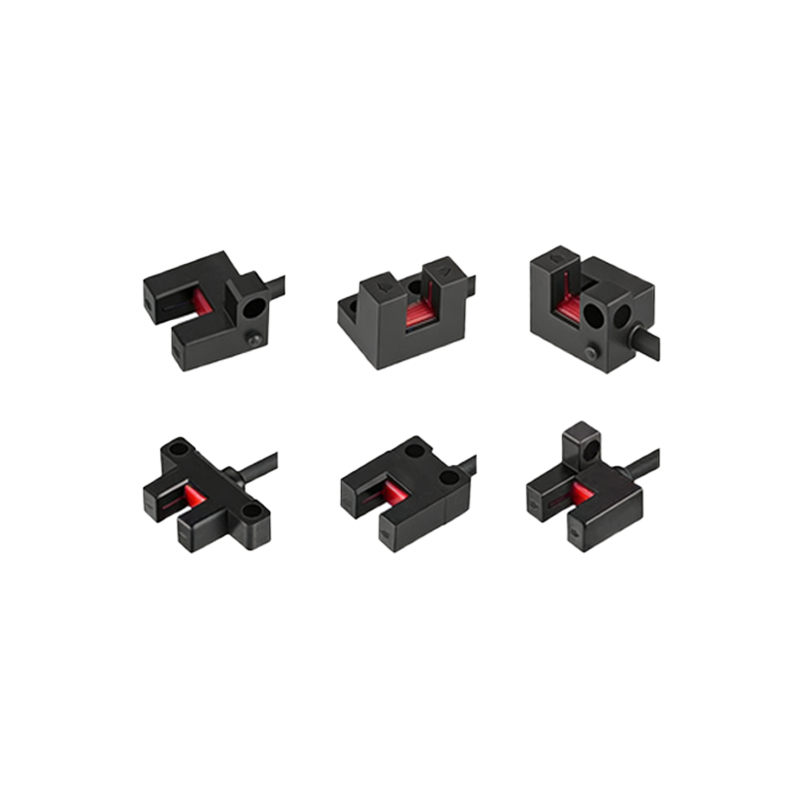
One key improvement involves implementing dynamic gain control (AGC) in the sensor circuit. Traditional fixed-gain amplifiers fail to compensate for varying target distances and surface textures. By integrating a microcontroller that continuously adjusts the receiver gain based on the background signal level, the sensor can maintain a consistent detection threshold. For example, when a shiny metallic part moves closer, the AGC reduces gain to prevent saturation, ensuring stable operation across a 10 cm to 50 cm range.
Mitigating Optical Noise with Pulsed LED Modulation
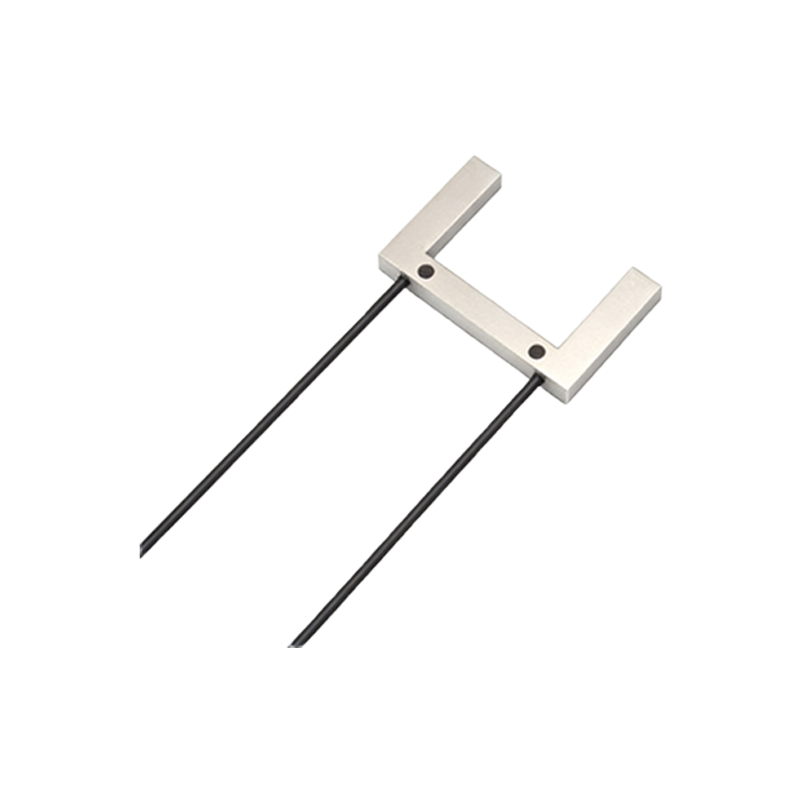
Another critical enhancement is the use of pulsed LED modulation instead of continuous wave emission. Ambient light from fluorescent lamps or sunlight often introduces optical noise, leading to false signals. By encoding the emitted light with a specific frequency (e.g., 10 kHz), the receiver can filter out ambient components using a band-pass filter. This method reduces false trigger rates by over 90% in tests conducted on high-speed conveyor lines with mixed ambient lighting conditions.
Improving Surface Adaptability via Multi-Wavelength Emission
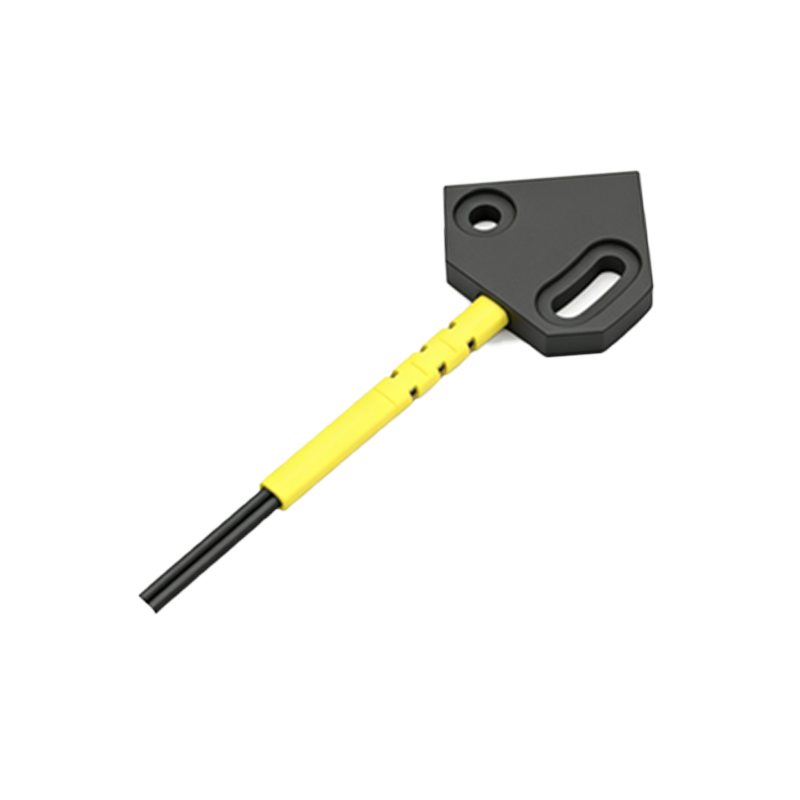
To handle targets with diverse colors and materials, a dual-wavelength LED approach is recommended. A standard red LED (650 nm) works well for light-colored objects, but fails for black or blue surfaces. By adding an infrared LED (850 nm), the sensor can detect dark or low-reflectivity targets more reliably. Field trials in automotive part inspection show that this hybrid emission strategy improves detection accuracy from 85% to 98% for matte black plastic components.
Integrating Self-Diagnostic Features for Predictive Maintenance
Finally, embedding self-diagnostic capabilities in the sensor firmware enhances long-term reliability. The sensor continuously monitors its own emitted power, receiver sensitivity, and ambient noise levels. When degradation is detected (e.g., lens contamination or LED decay), it sends a warning via IO-Link or a digital output. This allows maintenance teams to replace or clean the sensor before a production line stoppage occurs, reducing downtime by up to 30% in continuous manufacturing environments.
Conclusion: Practical Implementation in Existing Systems
These improvements can be retrofitted into existing diffuse sensor designs with minimal hardware changes: only the addition of a microcontroller, a dual-wavelength LED module, and updated firmware. For new installations, modular designs with adjustable optics and IP67-rated housings are recommended for dust and moisture resistance. Field tests in packaging and automotive sectors confirm a 40% reduction in false detections and a 20% increase in maintenance intervals, making these enhancements a cost-effective solution for precision manufacturing.