Understanding Photoelectric Sensor Recycling Challenges
Photoelectric sensors are widely used in industrial automation, from packaging lines to robotic systems. As an electrical engineer, you may encounter end-of-life sensors that contain electronic components, plastics, and metals. Recycling these sensors requires careful disassembly and material separation to recover valuable resources like copper, aluminum, and printed circuit boards. Improper disposal can lead to environmental hazards and regulatory penalties. This guide focuses on practical recycling methods for common sensor types, including through-beam, retro-reflective, and diffuse sensors.
Step 1: Inventory and Disassembly
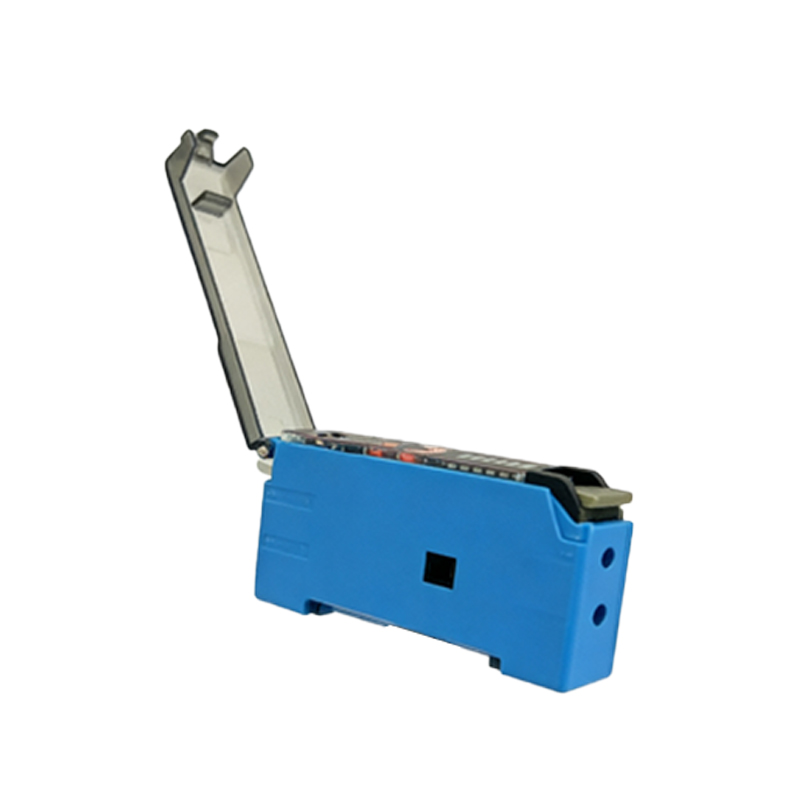
Begin by collecting all sensors designated for recycling. Wear static-safe gloves and eye protection. Use screwdrivers to remove housings, often made of ABS plastic or stainless steel. Separate the lens assembly, which may contain glass or acrylic. For through-beam sensors, detach the emitter and receiver units. Retro-reflective sensors require careful handling of the reflector, which often includes a prism. Diffuse sensors have a compact design; use a heat gun to soften adhesive seals if needed. Document any hazardous materials like mercury in older models.
Step 2: Sorting Electronic and Metal Components
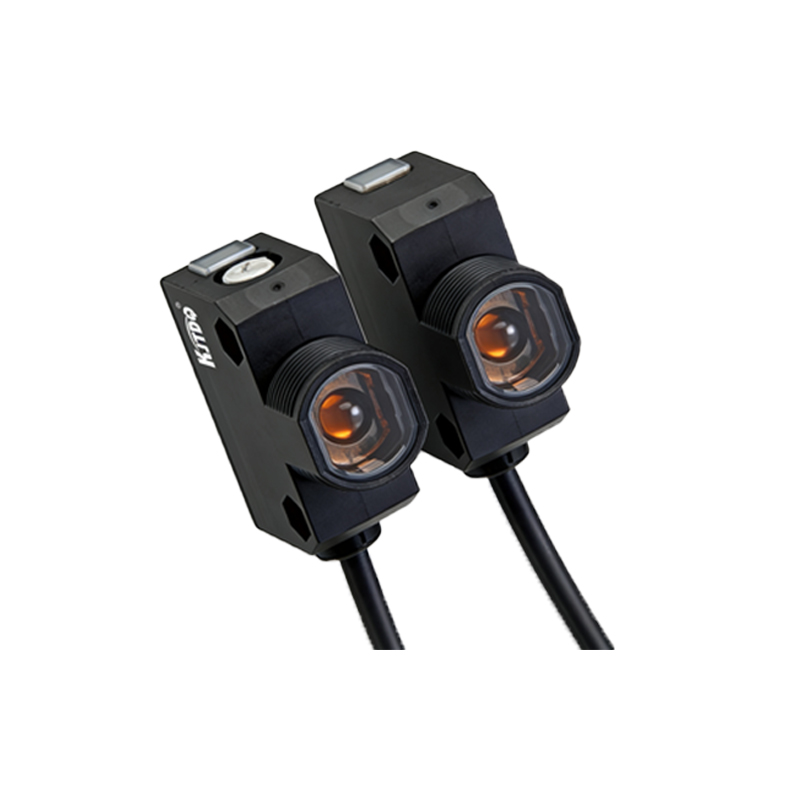
After disassembly, sort components into categories: PCBs, wiring, metal parts, and plastic casings. Photoelectric sensors typically contain a small PCB with an LED, photodiode, and microcontroller. These boards can be sent to specialized e-waste recyclers for precious metal recovery. Copper wire from sensor cables should be stripped and collected separately. Stainless steel or aluminum enclosures are valuable for scrap metal markets. Avoid mixing ferrous and non-ferrous metals to maximize recycling value.
Step 3: Handling Optical and Plastic Elements
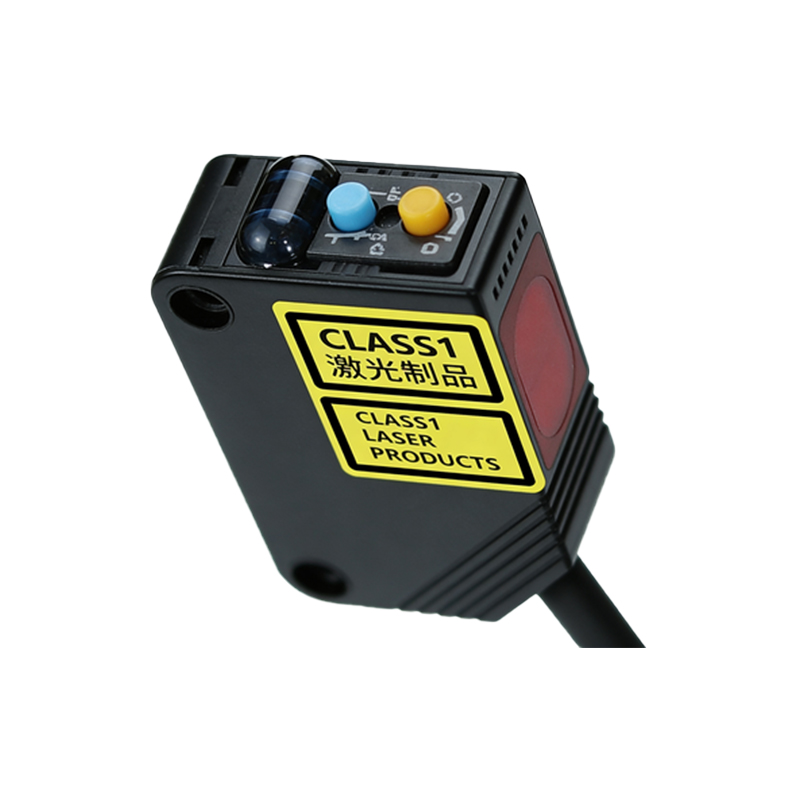
Lenses and filters are often made of optical-grade glass or polycarbonate. Clean them with isopropyl alcohol to remove contaminants, then send to glass recycling facilities. Plastic housings from brands like Banner or SICK can be shredded and reprocessed into industrial-grade pellets. Check for flame-retardant additives, which may require special handling. For sensors with integrated lenses, use a press to separate the plastic from the glass component.
Step 4: Responsible Disposal of Hazardous Materials
Some older photoelectric sensors contain small amounts of cadmium sulfide in photocells or lead in solder joints. Identify these through manufacturer datasheets or RoHS compliance markings. Pack these components in sealed containers and label them as hazardous waste. Contact certified e-waste recyclers who can process these materials under local environmental regulations. Never incinerate sensor components, as this can release toxic fumes.
Step 5: Data Security and Certification
Before recycling, ensure that any sensor memory chips are erased to protect proprietary process data. Use a degaussing tool or physical destruction for non-volatile memory. Request a certificate of recycling from your service provider, documenting the weight and type of materials processed. This documentation is essential for corporate sustainability reporting and may qualify for rebates under metal recovery programs.
Optimizing Recycling for Cost and Compliance
By following these steps, electrical engineers can reduce landfill waste, recover valuable materials, and comply with WEEE and RoHS directives. Partner with recyclers who specialize in industrial electronics, and consider setting up a centralized collection point in your facility. Regular training on sensor disassembly ensures team safety and maximizes material recovery rates. Remember, even small sensors contribute to a circular economy when recycled correctly.