Introduction to Photoelectric Sensors for Speed Measurement
Photoelectric sensors are widely used in industrial automation for non-contact rotational speed measurement. They operate by emitting a light beam toward a rotating target, such as a shaft or a wheel with reflective marks, and detecting the reflected or interrupted light pulses. By analyzing the frequency of these pulses, the rotational speed in revolutions per minute (RPM) can be accurately calculated. This method offers high precision, fast response times, and immunity to mechanical wear, making it ideal for harsh environments like motor drives, conveyor belts, and turbine monitoring.
Working Principle and System Configuration
The core principle involves a light source (usually infrared or visible LED) and a photodetector. The sensor is placed at a fixed distance from the rotating object, which is equipped with a reflective tape or a slotted disc. As the object rotates, each reflective strip or slot generates a pulse. The sensor converts these optical pulses into electrical signals, which are then processed by a counter or a PLC. For example, a disc with 60 slots will produce 60 pulses per revolution, allowing direct RPM calculation. The system requires careful alignment, proper ambient light shielding, and selection of appropriate sensor types (through-beam, reflective, or retro-reflective) based on the application.
Key Parameters for Sensor Selection
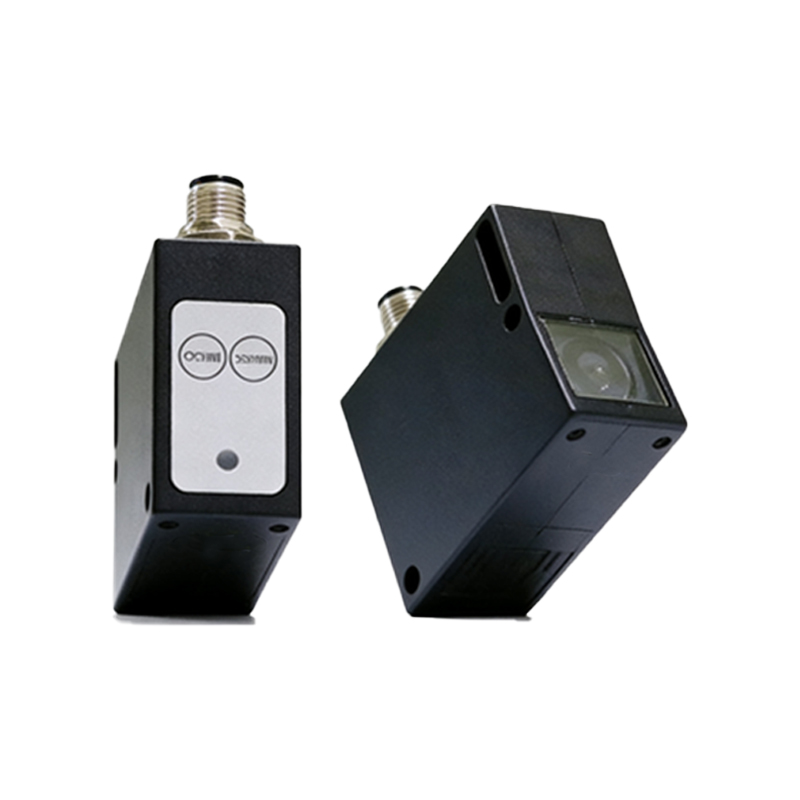
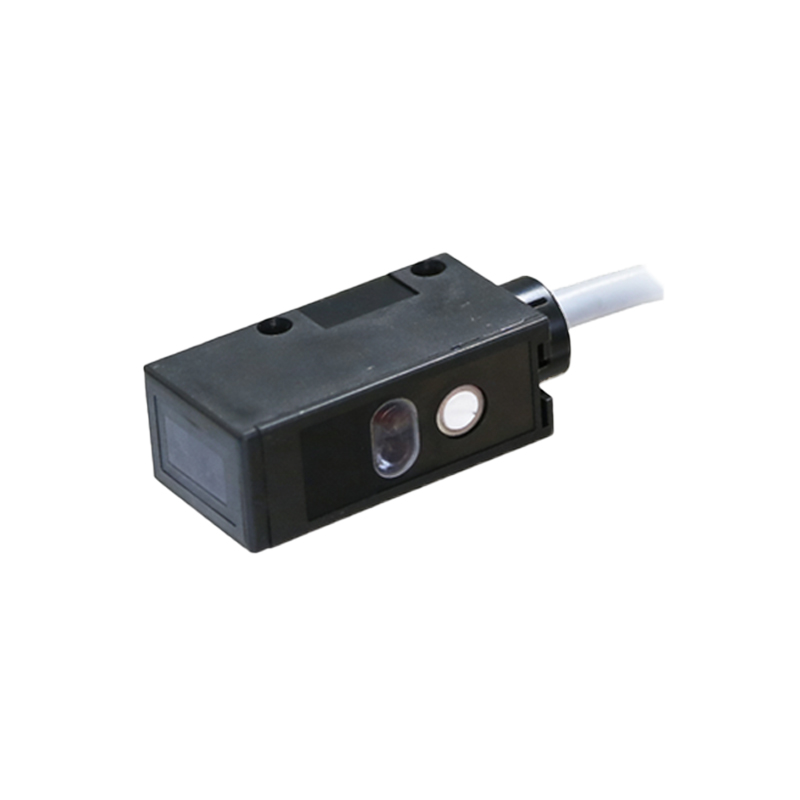
When selecting a photoelectric sensor for RPM monitoring, engineers must consider several factors: sensing range (typically 10–500 mm for reflective types), response frequency (up to 10 kHz for high-speed applications), ambient light immunity, and temperature tolerance (often -25°C to 55°C). Additional parameters include output type (NPN/PNP, analog, or digital pulse), cable length, and protection rating (IP65 or higher for dusty or wet environments). For high-precision applications, sensors with background suppression or laser-based light sources are preferred to minimize false triggers.
Installation and Calibration Best Practices
Proper installation is critical for reliable speed measurement. The sensor should be mounted perpendicular to the rotating surface at the specified sensing distance. Ensure the reflective strip or slot has sufficient contrast (e.g., white tape on a black shaft). For low-speed applications (<100 RPM), use a disc with fewer slots to avoid signal overlap. Calibration involves adjusting the sensor's sensitivity threshold to reject noise from vibration or stray light. Regular cleaning of the sensor lens and reflective surface is recommended, especially in dusty environments, to maintain accuracy.
Advantages Over Mechanical Speed Sensors
Compared to tachogenerators or magnetic pickups, photoelectric sensors offer distinct benefits: no physical contact eliminates wear and tear, enabling maintenance-free operation over millions of cycles. They provide higher resolution (down to 0.1 RPM with proper gearing) and can measure extremely low speeds (e.g., 1 RPM) with precision. Additionally, they are immune to electromagnetic interference from motors or inverters, making them suitable for variable-frequency drive applications. However, they require a clear line of sight and may be affected by severe contamination, which limits their use in some heavy-duty settings.
Troubleshooting Common Issues
Common problems include false triggering due to ambient light, missed pulses from dirty reflectors, and signal degradation from misalignment. Solutions include using modulated light sensors that filter out background illumination, installing protective covers, and performing periodic alignment checks. For high-temperature environments, sensors with built-in cooling or remote mounting via fiber optics can be used. Engineers should also verify the cable shielding and grounding to prevent electrical noise interference.
Conclusion and Future Trends
Photoelectric sensors remain a cost-effective and reliable solution for rotational speed monitoring in industrial settings. Emerging trends include integration with IoT for real-time data analytics, use of multi-pixel sensors for angular position detection, and adoption of wireless communication for remote monitoring. As Industry 4.0 advances, these sensors will play a key role in predictive maintenance and smart factory automation, offering enhanced accuracy and flexibility.