2026-04-26
Tech Hub
By 创始人
Development Status of Foreign Photoelectric Sensors in the Industrial Sector
Introduction to Foreign Photoelectric Sensors
Photoelectric sensors have become a cornerstone of modern industrial automation, particularly in foreign markets such as Germany, Japan, and the United States. These sensors utilize light beams to detect objects, changes in position, or proximity, and are widely used in manufacturing, logistics, and packaging industries. The global market for photoelectric sensors has grown steadily, driven by the demand for high-speed, reliable, and non-contact sensing solutions. Key players like SICK AG, Omron, and Keyence have pioneered advancements in sensing distance, response time, and environmental robustness, catering to harsh industrial environments.
Technological Innovations in Detection Range and Accuracy
Recent developments in foreign photoelectric sensors focus on extending detection ranges while maintaining high accuracy. For instance, laser-based sensors now achieve distances up to 50 meters with millimeter-level precision, crucial for large-scale warehouses and conveyor systems. Manufacturers have integrated time-of-flight (ToF) technology and advanced optics to reduce false signals caused by dust or ambient light. Additionally, the emergence of multi-point detection sensors allows simultaneous monitoring of multiple zones, enhancing safety and efficiency in robotic applications. These innovations have reduced downtime and improved throughput in industries like automotive assembly and food processing.
Integration with Industry 4.0 and IoT Platforms
Foreign sensors are increasingly designed to be IoT-ready, enabling seamless integration into Industry 4.0 ecosystems. Modern photoelectric sensors feature built-in interfaces such as IO-Link, EtherCAT, and PROFINET, allowing real-time data exchange with programmable logic controllers (PLCs). This connectivity facilitates predictive maintenance, as sensors can transmit health status and environmental data to cloud-based analytics platforms. For example, SICK’s FlexiSoft series analyzes temperature and vibration patterns to alert operators before failures occur. Such integration reduces manual inspection efforts and supports smart factories in optimizing energy consumption and production schedules.
Miniaturization and Redesigned Form Factors
A notable trend in foreign markets is the miniaturization of photoelectric sensors without compromising performance. Companies like Omron have launched ultra-compact sensors with diameters as small as 4 mm, ideal for confined spaces in electronics assembly or pharmaceutical machinery. These sensors employ micro-lens arrays and advanced signal processing chips to maintain high sensitivity. Furthermore, flexible mounting options, such as right-angle housings and adjustable brackets, allow easy retrofitting into existing systems. This miniaturization aligns with the trend towards smaller, more agile automation equipment in industries like semiconductor manufacturing.
Enhanced Durability and Environmental Resistance
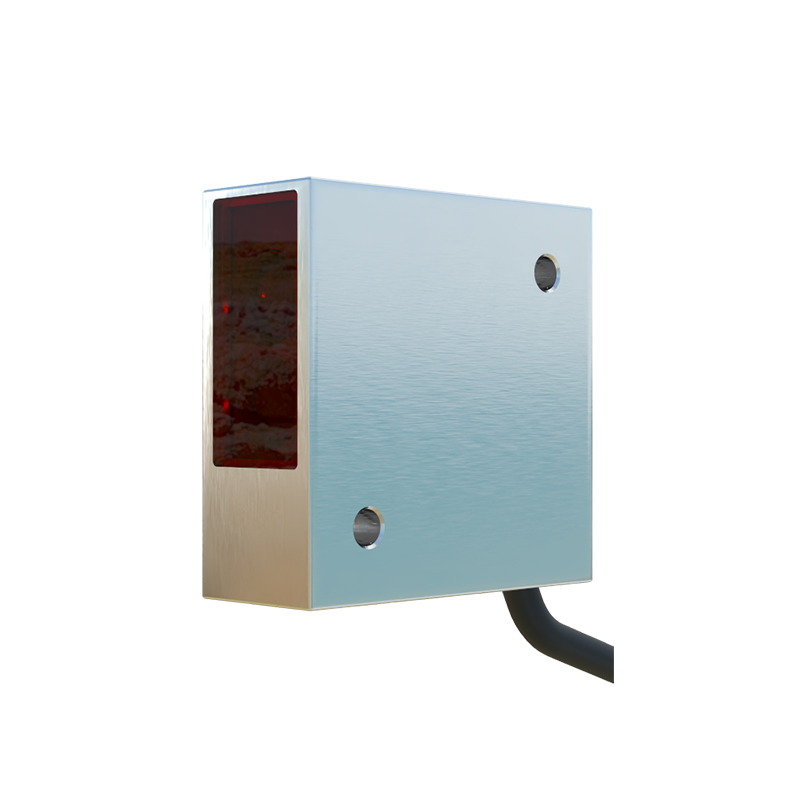
To meet rigorous industrial standards, foreign photoelectric sensors now feature robust enclosures with IP67 or IP69K ratings, ensuring resistance to water, dust, and high-pressure washdowns. Advanced materials like stainless steel and polycarbonate housings protect against chemical exposure in food processing or oil rigs. Moreover, sensors with ambient light immunity circuits can operate reliably in bright sunlight or fluctuating lighting conditions. For harsh temperature environments, models rated for -40°C to 80°C are available, making them suitable for cold storage or foundries. These enhancements significantly extend sensor lifespan and reduce replacement costs.
Market Trends and Future Outlook
The foreign photoelectric sensor market is projected to grow at a CAGR of 8% through 2030, driven by automotive electrification and logistics automation. New applications include object detection in autonomous guided vehicles (AGVs) and sorting systems in e-commerce fulfillment centers. Future innovations may involve AI-powered sensors that adapt to changing environments, such as adjusting thresholds for dirt accumulation. Additionally, the adoption of 3D photoelectric sensors for volumetric measurement is expected to rise. As industries push for zero-defect production, foreign manufacturers continue to invest in R&D for faster, smarter, and more energy-efficient sensing solutions.