Introduction to Photoelectric Sensors in Parking Lots
Photoelectric sensors have revolutionized parking lot management by providing reliable, non-contact detection of vehicles. As an electrical engineer specializing in industrial automation, I have witnessed how these devices enhance traffic flow, reduce energy waste, and improve safety. Unlike traditional inductive loops or ultrasonic sensors, photoelectric sensors offer faster response times and greater accuracy in varying environmental conditions. They work by emitting a beam of light and detecting the reflection or interruption caused by a vehicle, making them ideal for entry/exit gates, space occupancy monitoring, and lighting control systems.
Key Types and Their Applications
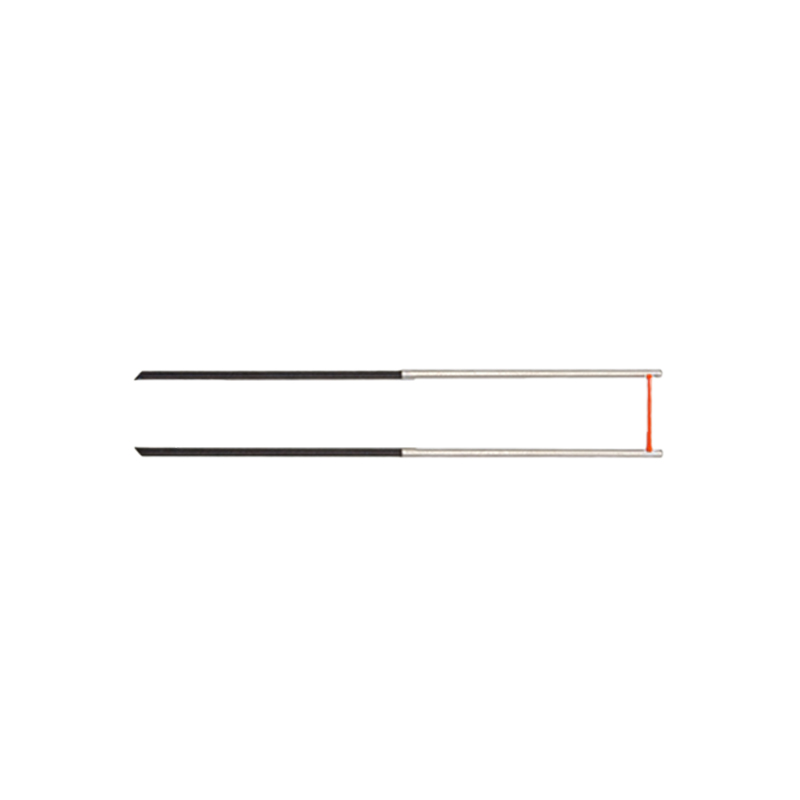
There are three primary types used in parking facilities: through-beam, retro-reflective, and diffuse reflective sensors. Through-beam sensors consist of separate emitter and receiver units; they are highly reliable for long-range detection at entrances, even in dusty or foggy conditions. Retro-reflective sensors combine emitter and receiver in one housing with a reflector, offering a cost-effective solution for medium-range zones like aisle intersections. Diffuse reflective sensors detect objects by sensing the reflected light directly from the vehicle, perfect for tight spaces such as individual parking stalls. Each type must be selected based on range, ambient light, and surface reflectivity to ensure optimal performance.
Installation Best Practices for Engineers
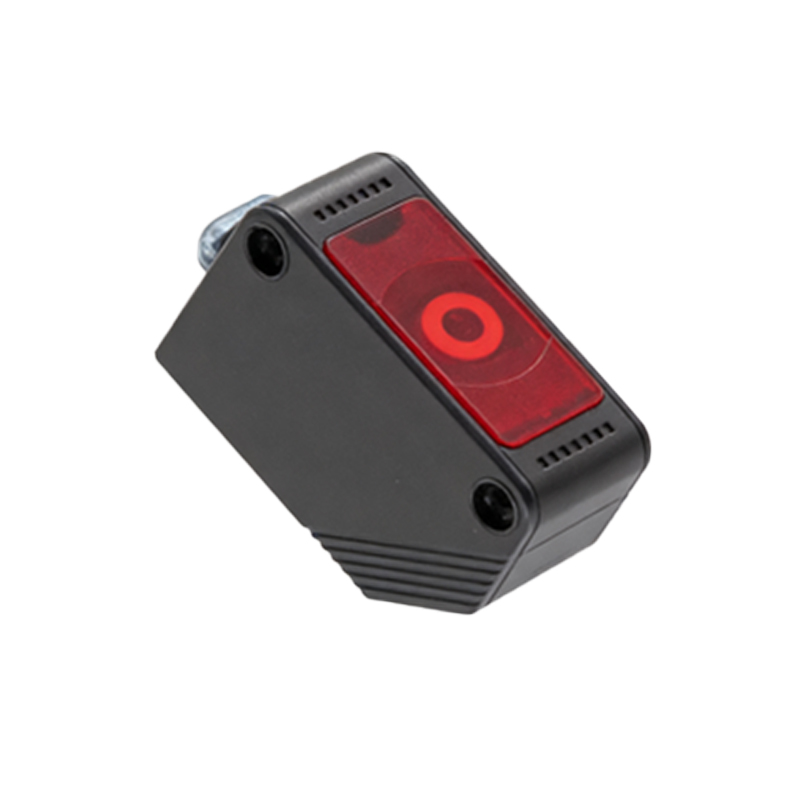
Proper installation is critical to avoid false triggers and maintenance issues. For outdoor use, sensors must be IP67 rated to withstand rain and temperature extremes. Mounting height should align with the vehicle's bumper or license plate to ensure consistent detection, typically 0.5 to 1 meter above ground. When deploying through-beam sensors at gates, align the emitter and receiver precisely to prevent misalignment from wind or vibrations. For diffuse sensors in parking spaces, avoid placing them near highly reflective surfaces like polished concrete, which can cause false readings. Always test the sensor's response time and adjust sensitivity settings using a multimeter or dedicated software.
Integration with Modern Control Systems
Today's photoelectric sensors often feature digital outputs (PNP/NPN) or IO-Link communication, allowing seamless integration with PLC-based control systems. For example, in a smart parking project, I connected retro-reflective sensors to a central controller that triggers LED indicators and updates a mobile app. This setup reduces driver search time by 30% and cuts unnecessary lighting energy. Engineers should also consider using sensors with background suppression technology to ignore rain or debris, ensuring stable operation in harsh weather. Additionally, pairing sensors with timers can automate gate closure after a vehicle passes, enhancing security.
Maintenance and Troubleshooting Tips
Regular cleaning of sensor lenses is essential, as dust or snow buildup degrades performance. Use a soft cloth and isopropyl alcohol for cleaning, and inspect cables for damage monthly. Common issues include intermittent signals from loose connections or power fluctuations; a simple voltage check with a digital multimeter can diagnose these. If a sensor repeatedly triggers in empty zones, recalibrate the sensitivity or check for nearby reflective objects. For long-term reliability, replace sensors every 5-7 years based on manufacturer guidelines, especially in high-traffic areas.
Conclusion: Future Trends in Parking Sensor Technology
As electric vehicles and autonomous driving become mainstream, photoelectric sensors will evolve with higher resolution and AI-powered analytics. Engineers should stay updated on new standards like ISO 13849 for safety, and consider hybrid systems combining photoelectric and radar sensors for redundant detection. By adopting these technologies, parking facilities can achieve near-zero downtime and enhanced user experience. The key is to choose sensors that balance cost, durability, and precision for your specific application.