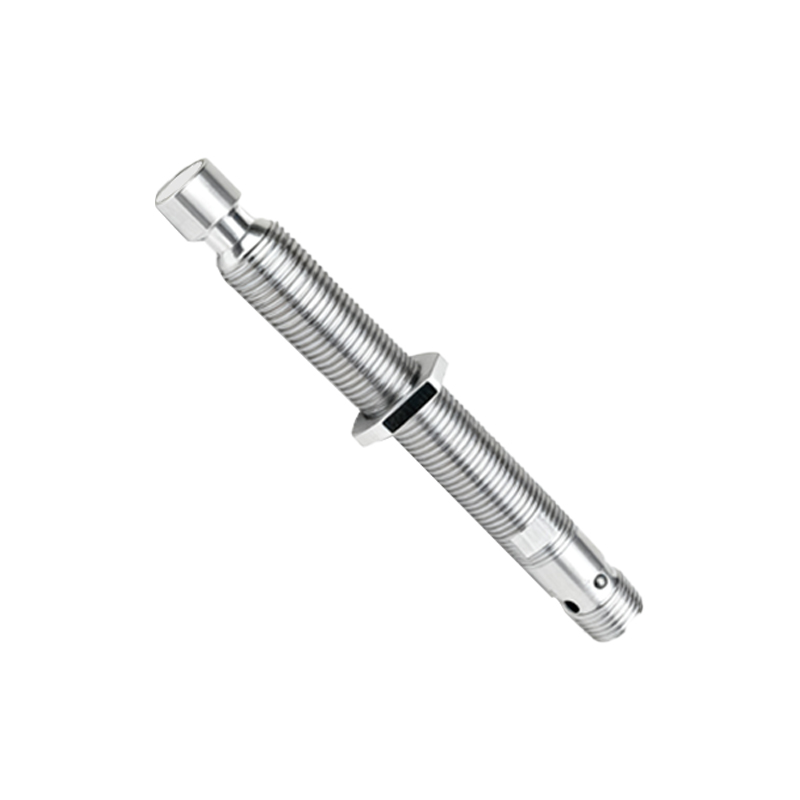
In the rapidly evolving landscape of electronic devices, power efficiency has become a paramount concern. This is especially true for components that are always "on" or frequently active, such as proximity sensors. These sensors, which detect the presence or absence of nearby objects without physical contact, are ubiquitous in modern technology. From smartphones that turn off their screens during calls to industrial automation systems and IoT devices, their role is critical. However, their constant or frequent operation can be a significant drain on battery life. Therefore, achieving low power consumption in proximity sensors is not just an enhancement; it is a fundamental requirement for the next generation of portable, wearable, and remote applications.
The drive for lower power consumption stems from several key market trends. The proliferation of Internet of Things (IoT) devices, which often operate on battery power for years without maintenance, demands sensors that sip rather than gulp energy. Similarly, the wearable technology market, including smartwatches and fitness trackers, relies on compact batteries where every milliampere-hour counts. In these contexts, a proximity sensor that consumes excessive power can drastically reduce the device's operational time, leading to poor user experience and frequent recharging.
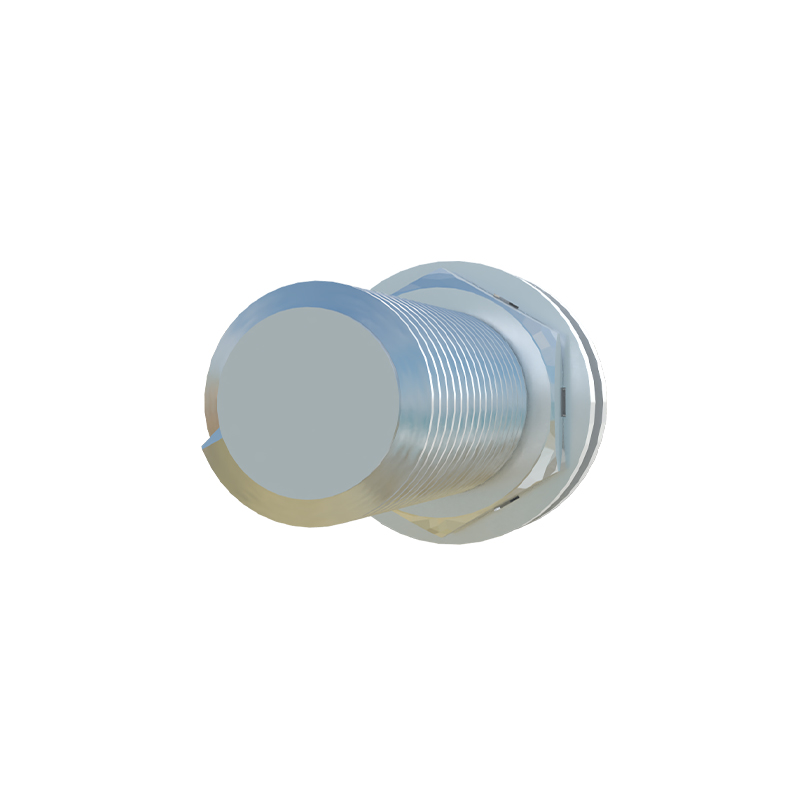
To address this challenge, sensor manufacturers and system designers employ a multi-faceted approach combining hardware innovation, intelligent software, and advanced system architecture. At the hardware level, the choice of sensing technology plays a crucial role. Infrared (IR) sensors, particularly those using Vertical-Cavity Surface-Emitting Lasers (VCSELs) paired with low-noise photodiodes, have seen significant improvements in efficiency. These components can operate effectively at lower drive currents. Furthermore, the integration of the sensor with its analog front-end and signal processing circuitry into a single System-on-Chip (SoC) reduces parasitic losses and minimizes the power required for inter-component communication.
Perhaps the most impactful strategy is the implementation of sophisticated power management schemes. Instead of operating continuously at full power, modern low-power proximity sensors are designed to spend most of their time in a deep sleep or standby mode, where power consumption can drop to mere microamps or even nanoamps. They wake up periodically—a process controlled by an internal or host processor—to take a measurement. This duty cycling is the cornerstone of ultra-low-power operation. The wake-up interval can be dynamically adjusted based on context; for instance, a sensor in a smartphone may check less frequently when the phone is idle on a table but increase its sampling rate when it detects movement from an accelerometer.
Advanced algorithms further optimize this process. These algorithms can distinguish between a genuine "object present" event and environmental noise or transient interference, preventing false wake-ups and unnecessary processing. Some sensors feature built-in interrupt functions that only alert the main host processor when a predefined threshold is crossed, allowing the powerful application processor to remain in its own low-power state until absolutely necessary. This hierarchical wake-up system is essential for overall system efficiency.

The benefits of low-power proximity sensors extend far beyond longer battery life. Reduced power consumption directly translates to less heat generation, which improves sensor reliability and longevity. It also allows for the use of smaller batteries or energy harvesting solutions, such as solar or kinetic energy, enabling new form factors and applications previously deemed impractical. In large-scale industrial or building automation deployments with thousands of sensors, the cumulative energy savings are substantial, lowering operational costs and environmental impact.
Looking ahead, the pursuit of even lower power consumption continues. Emerging technologies like event-driven sensing, where the sensor itself only becomes active upon detecting a change in the physical stimulus, promise to push the boundaries further. Integration with other low-power sensors (ambient light, accelerometer) to create context-aware sensing hubs will also optimize overall system power budgets. As the demand for smarter, always-aware, and wire-free devices grows, the innovation in low-power proximity sensing will remain a critical enabler, quietly working in the background to make our technology more efficient, responsive, and sustainable.