In modern industrial environments, precision is not merely a desirable attribute—it is an absolute necessity. Laser alignment sensors have emerged as critical components in achieving this precision, offering unparalleled accuracy in measurement and positioning tasks across a diverse range of sectors. These sophisticated devices project a highly focused beam of coherent light to detect, measure, and correct misalignments in machinery and structural components. The fundamental principle relies on the consistent, straight-line propagation of laser light, which serves as an ideal reference datum.
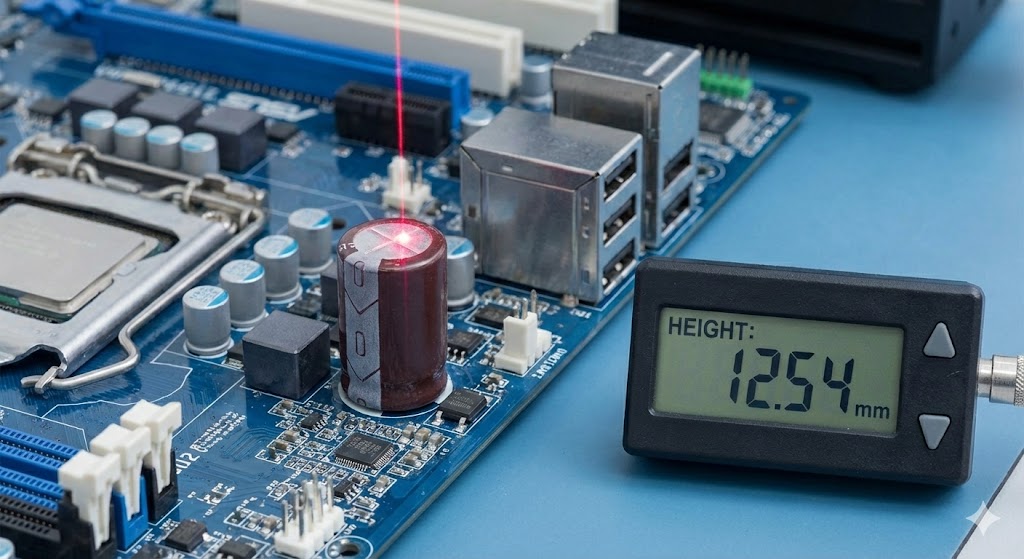
The core technology behind these sensors involves the emission of a laser beam and the subsequent analysis of its reflection or position on a target. Photodetectors or imaging sensors capture the beam's point of incidence. Any deviation from the expected position is calculated with micron-level precision by the sensor's onboard processor. This data is then used to provide real-time feedback or initiate automatic corrective actions. Common configurations include through-beam sensors, where the beam is interrupted, and reflective sensors, which measure the angle of a returned beam.
The applications for laser alignment sensors are vast and critical to operational efficiency and safety. In manufacturing, they are indispensable for aligning robotic arms, conveyor systems, and assembly line components. A misaligned robotic welder, for instance, can lead to product defects and costly downtime. In the printing and packaging industry, these sensors ensure precise registration of colors and accurate cutting or folding. The energy sector relies on them for aligning turbine shafts, wind turbine blades, and pipeline installations, where even minor misalignments can cause catastrophic failures, excessive vibration, and accelerated wear.
Furthermore, the construction and civil engineering fields utilize laser alignment for tasks like tunnel boring, bridge construction, and ensuring the straightness of rail tracks. In semiconductor fabrication, where tolerances are measured in nanometers, these sensors are integral to photolithography equipment and wafer handling robots. The automotive industry uses them to align vehicle frames, chassis components, and during dynamic wheel alignment procedures.
When selecting a laser alignment sensor, several key specifications must be considered. Measurement range defines the maximum distance over which the sensor can operate effectively. Accuracy and resolution determine the smallest detectable misalignment. Environmental robustness is crucial; industrial sensors often require high Ingress Protection (IP) ratings to withstand dust, moisture, and vibrations. The type of output signal—analog voltage, current, or digital protocols like IO-Link—must be compatible with the existing control system. Modern sensors also feature advanced diagnostics, temperature compensation, and connectivity for Industry 4.0 data integration.
The advantages over traditional mechanical alignment methods, such as straight edges, dial indicators, or optical sights, are significant. Laser sensors provide non-contact measurement, eliminating wear and the risk of damaging delicate surfaces. They offer vastly superior speed, enabling continuous monitoring and real-time correction instead of periodic manual checks. This leads to a substantial reduction in machine setup times, increased production throughput, and improved overall equipment effectiveness (OEE). Most importantly, they enhance quality control by ensuring consistent product specifications and reducing scrap.
Looking ahead, the evolution of laser alignment technology is intertwined with broader industrial trends. The integration of artificial intelligence and machine learning algorithms allows sensors to predict alignment drift and schedule predictive maintenance. Miniaturization is making these tools accessible for more intricate applications. Enhanced connectivity through Industrial Internet of Things (IIoT) platforms enables centralized monitoring of alignment data across entire factories, facilitating proactive management of asset health.
In conclusion, laser alignment sensors represent a foundational technology for precision engineering. By providing accurate, reliable, and automated alignment data, they are essential for maximizing productivity, ensuring product quality, and maintaining the safety and longevity of critical industrial machinery. Their role will only expand as industries continue to push the boundaries of automation and precision manufacturing.