Understanding the Core Principle of Sensor Placement
Photoelectric sensors rely on a stable line-of-sight between the emitter and receiver, or a consistent reflection from a target. The first rule of thumb is to avoid any physical obstructions, such as machinery parts, conveyor belts, or accumulated debris, that could break the beam. In a typical factory floor setup, mount the sensor at a height where the target object—whether a box, a metal part, or a bottle—passes directly through the sensing zone. For example, on a packaging line, place the sensor 2-4 inches above the conveyor surface to detect items without interference from the belt’s texture or vibration. Always consider the sensing range specified in the datasheet; for a retro-reflective sensor, the maximum distance is often 10 meters, but real-world factors like dust or ambient light may reduce this to 6-8 meters. Therefore, mount the sensor closer than the theoretical maximum to ensure reliability.
Selecting the Right Mounting Location for Through-Beam Sensors
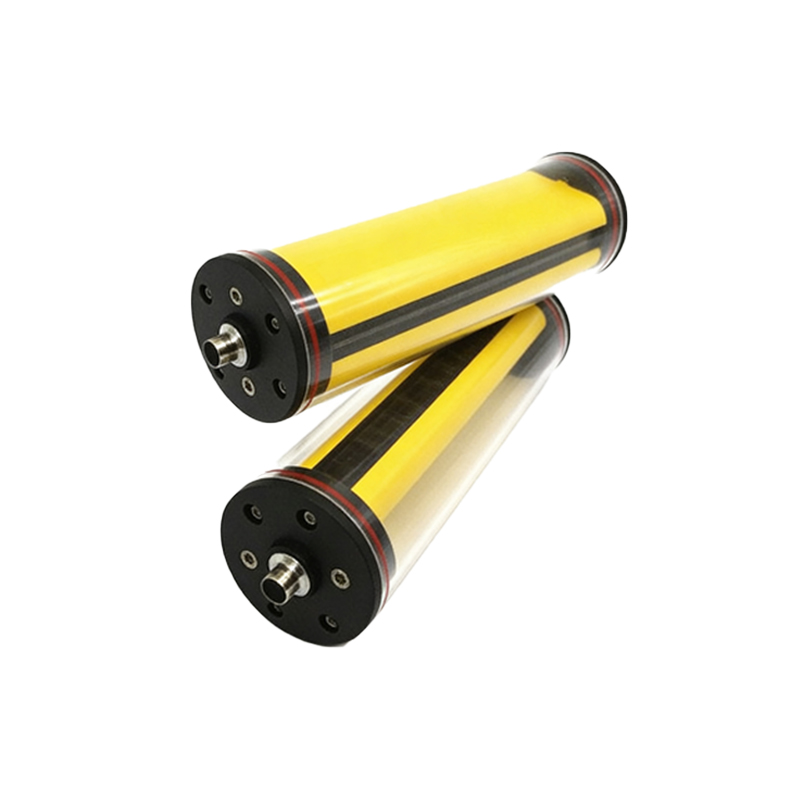
Through-beam sensors have separate emitter and receiver units, making placement critical for alignment. In a high-speed sorting line, mount the emitter on one side of the conveyor and the receiver directly opposite, ensuring the beam crosses the path of the items. Use adjustable brackets to finetune the alignment within 0.5 degrees, as even slight misalignment can cause false triggers. For applications with vibration, such as near a stamping press, secure the mounts with locking washers and check the alignment quarterly. Install protective shields, like metal guards or acrylic covers, if the sensor is near areas with flying debris or coolant splashes. In dusty environments, such as a cement plant, angle the sensor downward slightly (5-10 degrees) to prevent dust accumulation on the lenses, which can reduce sensitivity by up to 30%.
Optimizing Retro-Reflective Sensor Placement for Reflective Surfaces
Retro-reflective sensors use a reflector and are sensitive to shiny or highly reflective objects behind the target. To avoid false detection, mount the sensor so the beam does not hit polished metal, mirrors, or wet floors. For instance, on a bottling line where glass bottles are present, place the sensor at a 15-20 degree angle relative to the reflector to prevent the bottle’s gloss from mimicking a reflector. Additionally, maintain a consistent distance between the sensor and reflector—typically 0.5-5 meters—based on the target size. If the target is small (e.g., 10mm diameter), reduce the distance to under 1 meter for reliable detection. Use a polarizing filter on the sensor to minimize interference from ambient light or glossy targets.
Positioning Diffuse Mode Sensors for Distance and Background Suppression
Diffuse mode sensors detect objects by reflecting the beam off the target itself, so background objects must be avoided. Mount the sensor at a height where the target is the only object within the sensing range, which is usually 0.1-2 meters. For a robotic picking station, place the sensor 30-50cm above the picking area to confirm part presence without triggering on the robot arm. Use a background suppression sensor if the background (e.g., a white wall or metal surface) is closer than 1 meter; adjust the cutoff distance to 80% of the target distance. In outdoor applications, such as a lumber yard, mount the sensor with a sun shield to reduce false triggers from direct sunlight.
Considering Environmental Factors for Long-Term Reliability
The environment dictates sensor longevity. For wet or washdown areas, mount sensors with IP67 or IP69K ratings and use drip loops in the cable to prevent water ingress. In high-temperature zones (over 60°C), such as near ovens, install heat shields or use fiber-optic extensions to keep the electronics cool. For corrosive environments like chemical plants, mount sensors in NEMA 4X enclosures with stainless steel brackets. Always route cables away from high-voltage lines or motor drives to avoid electromagnetic interference. Periodic maintenance includes cleaning lenses with a soft cloth weekly and checking alignment after any equipment modifications.