Introduction to BN Photoelectric Sensors
As a seasoned electrical engineer with over two decades in the field, I have witnessed the evolution of sensing technologies in industrial automation. Among the most reliable and versatile components are BN photoelectric sensors, designed to detect objects, materials, and positions with high accuracy. These sensors operate on the principle of emitting a light beam (usually infrared, visible red, or laser) and measuring the change in light intensity when an object interrupts or reflects the beam. BN sensors offer robust performance in harsh environments, making them ideal for manufacturing lines, packaging systems, and logistics. Their long sensing range, fast response times, and immunity to electrical noise set them apart from traditional inductive or capacitive sensors.
Working Principle and Types
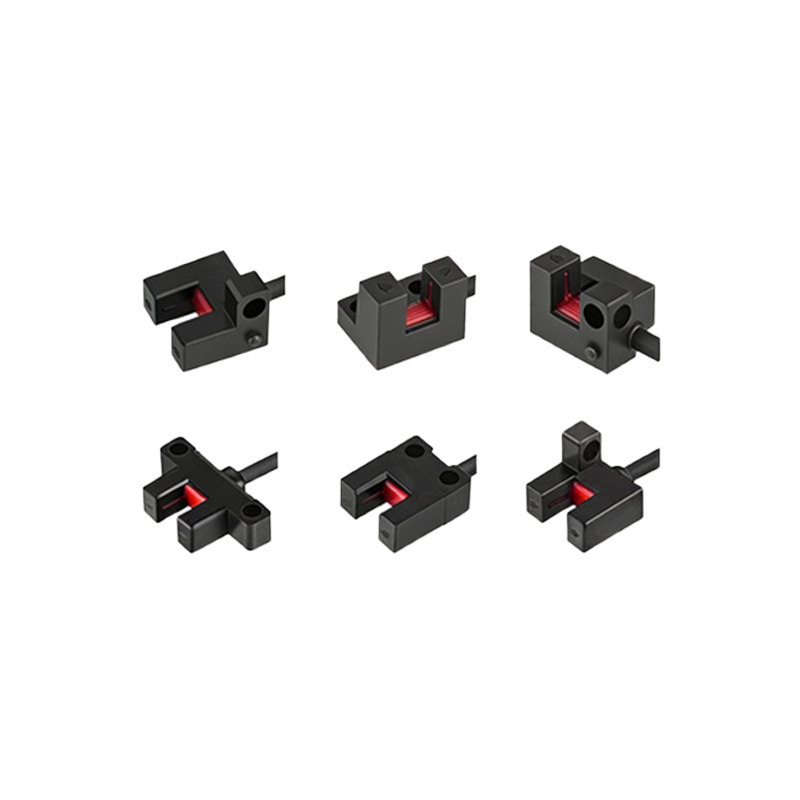
BN photoelectric sensors come in three main configurations: through-beam, retro-reflective, and diffuse-reflective. The through-beam type consists of a separate emitter and receiver, providing the longest detection range—up to 30 meters—but requires precise alignment. Retro-reflective sensors combine emitter and receiver in one unit, using a reflector to bounce the beam back; they are easier to install and offer ranges up to 10 meters. Diffuse-reflective sensors detect objects by sensing light reflected directly from the target, making them ideal for close-range applications, typically up to 2 meters. Each type leverages advanced optics and signal processing to minimize false triggers, even in dusty or smoky conditions common in factories.
Key Technical Specifications
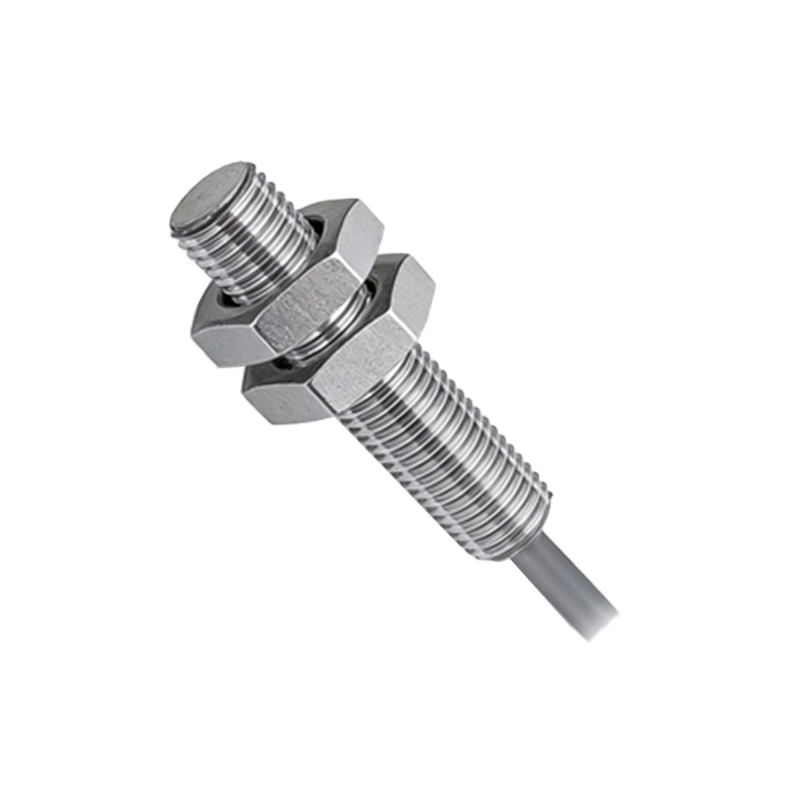
When selecting BN sensors, engineers must evaluate critical parameters: sensing distance, response time, ambient light immunity, and operating temperature range. BN models typically feature response times as low as 0.5 milliseconds, enabling high-speed detection on fast-moving conveyor belts. Their ambient light suppression circuits handle up to 50,000 lux, ensuring stable operation near windows or bright LED lighting. The IP67 rating guarantees protection against dust and water ingress, essential for washdown environments. Additionally, BN sensors support both PNP and NPN output configurations, along with analog outputs for distance measurement, offering flexibility in system integration.
Application Scenarios in Industry
In my professional experience, BN photoelectric sensors excel in material handling, such as detecting pallet presence on automated guided vehicles (AGVs) or confirming box positions on sortation conveyors. They are also vital in packaging for seal integrity checks and label alignment. In the automotive sector, these sensors monitor weld seam positions and part presence in assembly stations. Their ability to detect transparent objects, like glass bottles or plastic films, through specialized filters, extends their use in food and beverage lines. Additionally, BN sensors with laser emitters provide pinpoint accuracy in dimensional measurement tasks, such as verifying component thickness in electronics manufacturing.
Installation and Troubleshooting Tips
Proper installation is crucial for optimal performance. Always align the sensor and reflector or emitter/receiver pair using the built-in indicator LEDs; misalignment by even 1 degree can reduce range significantly. For retro-reflective models, use triangular or corner-cube reflectors instead of flat mirrors to avoid signal loss from angular misalignment. In dusty environments, clean the optical surfaces weekly with a lint-free cloth and isopropyl alcohol. Common issues include false triggering from reflective backgrounds—solved by adjusting sensitivity via the potentiometer—or excessive background noise, which often requires switching to a through-beam configuration. Always verify the supply voltage (typically 10-30 VDC) and wiring polarity before powering up.
Future Trends and Recommendations
The BN sensor line is evolving with Industry 4.0, integrating IO-Link communication for real-time diagnostics and parameter adjustment. This allows engineers to monitor sensor health, count detection events, and adjust thresholds remotely from a PLC or SCADA system. For new installations, I recommend selecting BN models with IO-Link capability to future-proof your automation architecture. Additionally, consider sensors with programmable teach functions for adaptive detection in multi-product lines. As electrical engineers, we must stay updated with these advancements to optimize system efficiency and reduce downtime. BN sensors remain a cost-effective, high-reliability choice for any industrial application requiring precise object detection.