Introduction to Optical Photoelectric Sensors
Optical photoelectric sensors are fundamental components in modern industrial automation, designed to detect the presence, absence, or distance of objects using light. These sensors operate by emitting a beam of light, typically infrared, visible red, or laser, and then analyzing the changes in light intensity or interruption. As an electrical engineer, I emphasize their reliability in harsh environments where physical contact is impractical. They are widely used in manufacturing lines, packaging systems, and robotics due to their non-contact sensing capability, high speed, and precision.
Core Working Principle
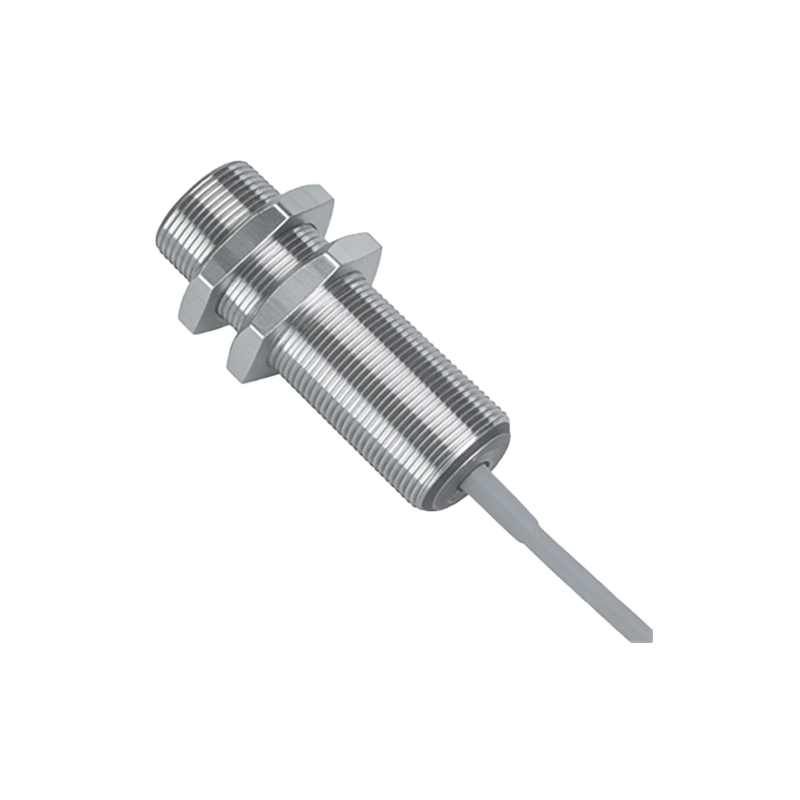
The basic principle involves a light emitter and a photodetector. The emitter projects a light beam toward a target or receiver. When an object interrupts or reflects this beam, the sensor triggers an output signal. For example, in through-beam sensors, the emitter and receiver are separate; an object passing between them breaks the light path. In retro-reflective models, the light reflects off a reflector back to the sensor, and obstruction triggers detection. Diffuse sensors rely on the target itself to reflect light back to the sensor. Understanding these modes is crucial for selecting the correct sensor for specific applications.
Key Types of Optical Photoelectric Sensors
1. Through-beam sensors: Offer the longest range (up to 50 meters) and highest immunity to contamination, making them ideal for dusty environments.
2. Retro-reflective sensors: Compact and cost-effective, with ranges up to 10 meters. They require a reflector but excel in clean environments.
3. Diffuse sensors: Detect objects directly without a reflector, suitable for short-range applications (up to 2 meters). Their performance depends on object color and surface finish.
4. Laser sensors: Provide pinpoint accuracy for small targets or high-speed lines. They are essential for precision tasks like microelectronics assembly.
Application Scenarios in Industrial Automation
In a typical production line, optical photoelectric sensors monitor conveyor belts for product presence, ensuring correct packaging. They detect bottle caps, label positions, or metal parts without physical wear. For example, in automotive assembly, diffuse sensors check for welding seams or part alignment. In cleanrooms, laser sensors verify component placement on circuit boards. Their non-contact nature reduces maintenance costs and increases uptime. Engineers must consider environmental factors like ambient light, dust, and vibration when deploying these sensors.
Selection Criteria and Best Practices
When selecting an optical photoelectric sensor, evaluate the following:
- Sensing range: Match to the application distance.
- Object characteristics: Transparency, color, and texture affect detection. For instance, shiny surfaces may cause false reflections.
- Environmental conditions: Use through-beam sensors in dusty areas and laser sensors for precise tasks.
- Output type: Choose between NPN/PNP, analog, or IO-Link for integration with PLC systems.
- Mounting and alignment: Ensure proper installation to avoid misalignment.
I recommend using sensors with built-in interference suppression and diagnostic features for complex systems.
Advantages and Limitations
Advantages include high response speed (microsecond level), immunity to electrical noise, and no moving parts. They excel in applications requiring hygiene, such as food processing. However, limitations exist: sensitivity to ambient light (especially sunlight), fog, or steam can reduce performance. Also, transparent objects may be missed by retro-reflective sensors. Engineers should test prototypes under real operating conditions to validate reliability.
Future Trends in Optical Sensing Technology
Emerging trends include integration with IoT for predictive maintenance, where sensors communicate data on contamination or alignment drift. Smart sensors with self-calibration and multi-mode functionality reduce human intervention. Additionally, Time-of-Flight (ToF) sensors enable 3D imaging, expanding applications in logistics and autonomous vehicles. As an engineer, staying updated on these advancements ensures optimal system design.