Introduction to Micro Photoelectric Sensors
Micro photoelectric sensors are compact, high-precision devices widely used in modern industrial automation. They operate by emitting a light beam, typically infrared or visible red, and detecting changes in the received signal caused by an object. Their miniature size allows integration into tight spaces, such as conveyor systems, robotics, and packaging machinery. These sensors offer reliable object detection, presence sensing, and position control without physical contact, reducing wear and maintenance costs. For engineers, selecting the right micro photoelectric sensor enhances system efficiency and accuracy.
Key Operating Principles
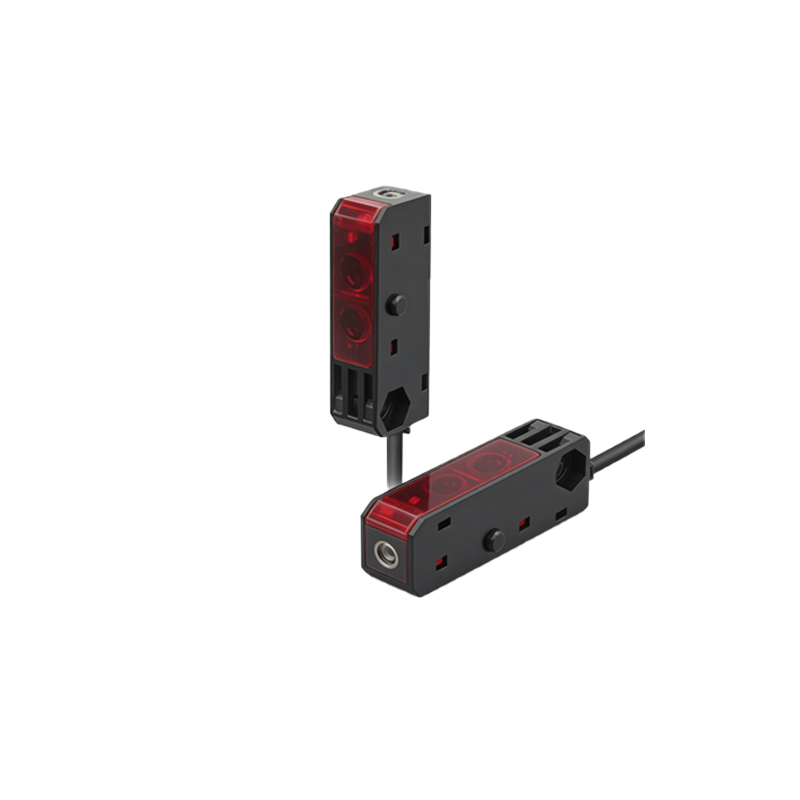
Micro photoelectric sensors rely on three main operating modes: through-beam, retro-reflective, and diffuse reflection. In through-beam mode, the transmitter and receiver are separate, providing the longest detection range and highest immunity to contamination. Retro-reflective mode uses a reflector to bounce the light back, simplifying installation. Diffuse mode detects objects by reflecting light directly off the target, ideal for short-range applications. Each mode has unique advantages; for example, through-beam is best for dusty environments, while diffuse sensors suit transparent or irregular objects. Understanding these principles ensures optimal sensor deployment.
Critical Specifications for Engineers
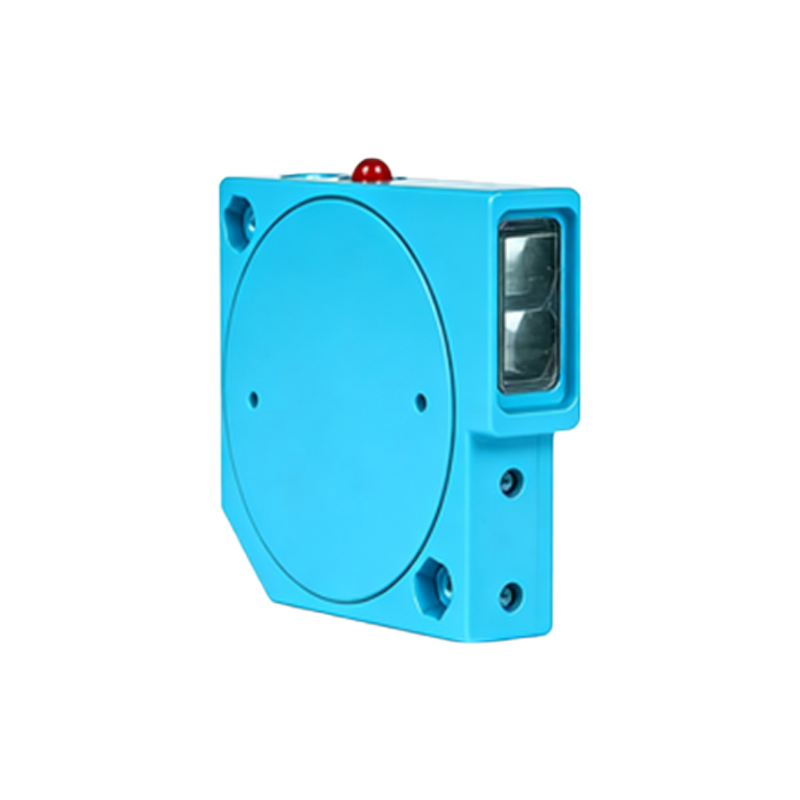
When specifying micro photoelectric sensors, engineers must evaluate key parameters: sensing distance, response time, output type, and environmental rating. Sensing distance varies from a few millimeters to several meters, depending on the mode. Response time, often in microseconds, impacts high-speed applications like counting or sorting. Output options include NPN, PNP, or analog signals, matching PLC or controller inputs. Environmental ratings, such as IP67, indicate resistance to dust and moisture. Additionally, consider factors like ambient light interference and cable length. Selecting sensors with appropriate specifications prevents false triggers and downtime.
Common Applications in Industry
Micro photoelectric sensors excel in diverse industrial scenarios. In assembly lines, they detect component presence for quality control. In logistics, they count packages on conveyors or verify pallet positions. In packaging, they ensure correct film alignment or label placement. Their small footprint also enables use in medical devices for liquid level detection or in automotive manufacturing for part orientation. For harsh environments, sensors with robust housings and advanced lens materials withstand vibration, temperature extremes, and chemical exposure. These applications highlight their versatility and reliability.
Installation and Calibration Tips
Proper installation maximizes micro photoelectric sensor performance. Mount sensors securely to avoid misalignment, and maintain recommended clearance from reflective surfaces. Calibration involves adjusting sensitivity and threshold settings using built-in potentiometers or digital interfaces. For through-beam sensors, align the emitter and receiver precisely using a laser alignment tool. In retro-reflective setups, ensure the reflector is clean and properly oriented. Diffuse sensors require careful adjustment for target color and surface finish. Regular cleaning of optics with lint-free cloths prevents signal degradation. Following these tips extends sensor life and operational stability.
Future Trends and Considerations
Emerging technologies like IO-Link communication and Smart sensors are transforming micro photoelectric sensors. IO-Link enables real-time data transmission for predictive maintenance and remote configuration. Smart sensors integrate self-diagnostics and adaptive algorithms to compensate for contamination or aging. Engineers should also consider energy efficiency, as low-power designs reduce heat generation. For Industry 4.0, sensors with Ethernet connectivity facilitate integration into networked systems. As automation demands grow, micro photoelectric sensors will evolve with enhanced miniaturization, higher resolution, and multi-functionality, driving further innovation.