Introduction to One-to-Four Photoelectric Sensors
As an electrical engineer specializing in industrial automation, I often encounter applications where a single light source needs to be distributed across multiple detection points. A one-to-four photoelectric sensor, also known as a multi-beam or distributed sensor, utilizes one emitter and four separate receivers. This design allows for simultaneous monitoring of four distinct zones or positions, reducing wiring complexity and cost. In practice, this sensor excels in conveyor systems, packaging lines, and material handling where space is limited but multiple checks are required.
Key Components and Operating Principle
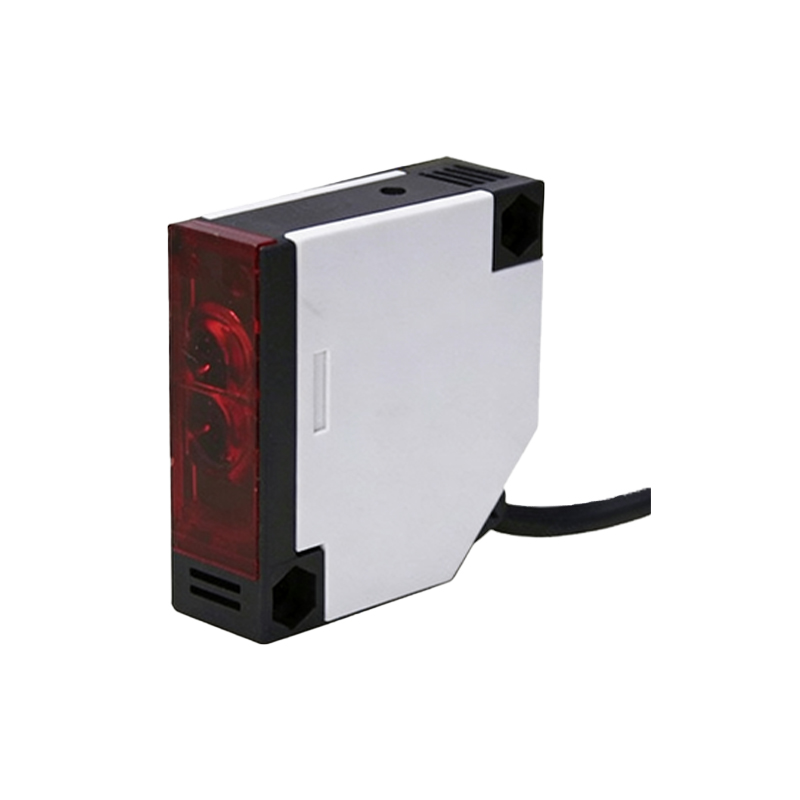
The system consists of a single LED emitter that projects a modulated infrared beam, and four phototransistor receivers placed at different locations. The emitter and receivers are typically synchronized via a controller unit to avoid cross-talk. When an object interrupts any of the four beams, the corresponding receiver triggers a discrete output. This setup leverages time-division multiplexing, ensuring each receiver only responds to its own beam. In my field experience, this approach significantly reduces false triggers compared to using multiple independent sensors.
Installation Guidelines for Maximum Reliability
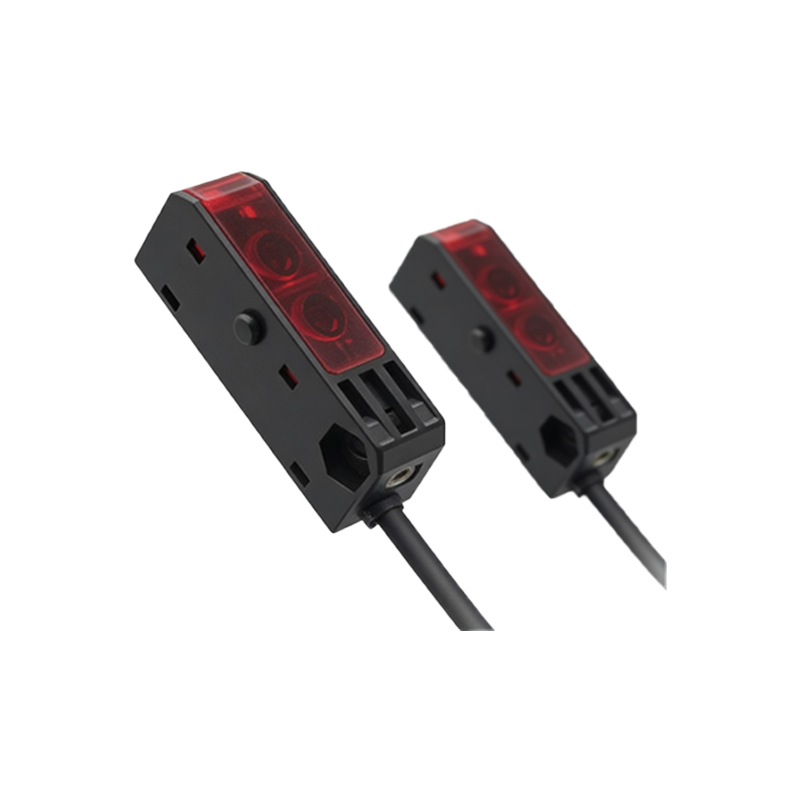
For optimal performance, mount the emitter and receivers on stable brackets, ensuring the beam path is unobstructed. Align each receiver precisely with the emitter using a laser alignment tool. In dusty environments like sawmills or cement plants, use air purging accessories to keep lenses clean. Also, maintain a minimum distance of 30 cm between adjacent receivers to prevent optical interference. I recommend testing the system under full load conditions and adjusting the sensitivity potentiometer on each receiver to compensate for dust buildup over time.
Applications in Conveyor and Packaging Systems
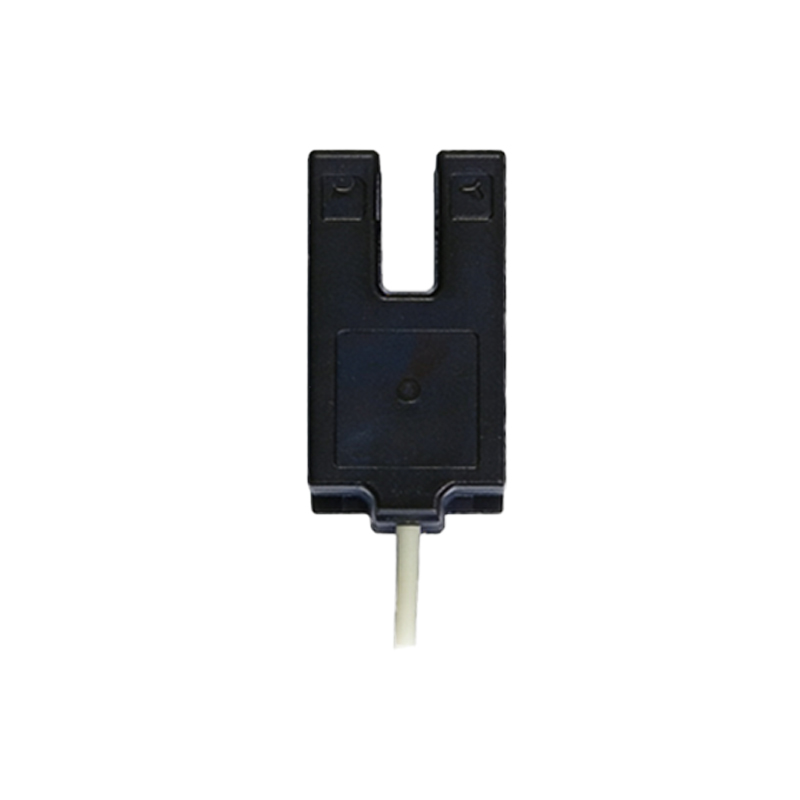
In a typical packaging line, one emitter can monitor four lanes simultaneously. For example, on a bottle filling line, each beam detects presence or absence of bottles at different stations. This allows a PLC to coordinate filling, capping, and labeling with one sensor set. Another common use is in palletizing: four beams sense stack height at corners. This reduces installation time by 40% compared to four separate sensors. I have also implemented this in automated storage systems to detect bin positions without additional wiring.
Troubleshooting Common Issues
If one receiver fails to detect, first check for foreign objects on the lens. Use a soft cloth with isopropyl alcohol for cleaning. Next, verify the power supply voltage is stable within 10-30 VDC. In high-ambient-light areas, install shielding tubes over the receivers. If cross-talk occurs between channels, increase the multiplexing frequency in the controller or physically separate the beams by 15 degrees. Always keep spare receiver modules on hand, as they are the most failure-prone component due to mechanical vibration.
Cost-Benefit Analysis for Industrial Buyers
From a financial perspective, a one-to-four sensor system reduces hardware costs by up to 60% compared to four standalone sensors. This includes savings on cabling, mounting brackets, and PLC input modules. The total installed cost for a single-emitter system is typically $150-250, while four independent units would cost $400-600. However, note that failure of the single emitter stops all four channels. I recommend this system for medium-reliability applications where downtime for repair is acceptable, such as general packaging, but not for safety-critical zones requiring redundancy.
Future Trends and Integration with IoT
Modern one-to-four sensors are now incorporating IO-Link communication, allowing real-time diagnostics and remote adjustment. This enables predictive maintenance: the system can alert you when signal strength drops below 70%, indicating lens contamination. In smart factories, these sensors feed data directly to SCADA systems for performance analysis. I anticipate further integration with edge computing, where the controller itself will process beam patterns to detect product jams or misalignment autonomously.