Introduction to the S6012B2 Photoelectric Sensor
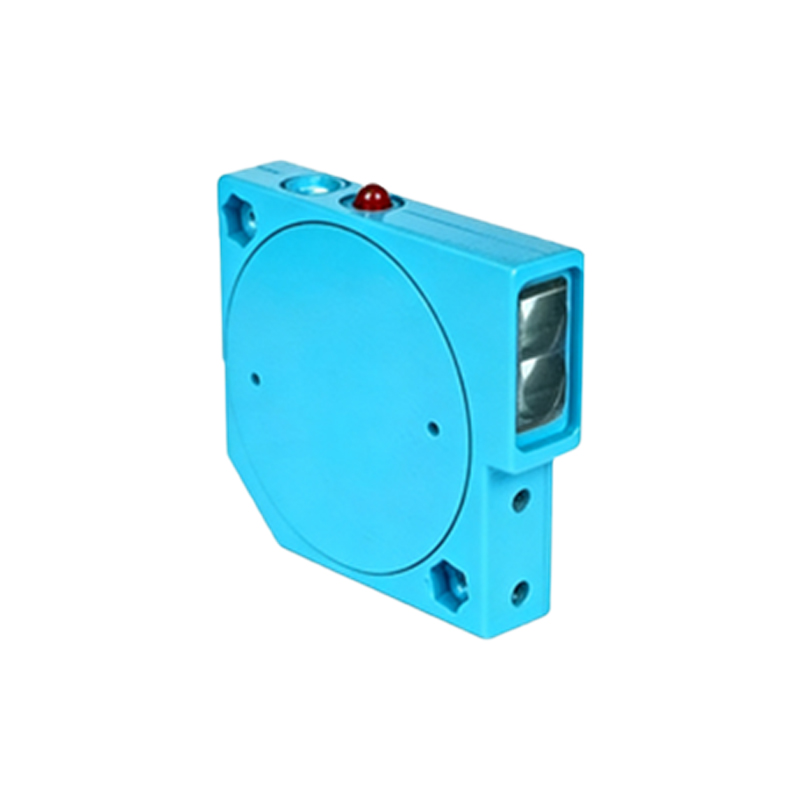
The S6012B2 photoelectric sensor is a high-performance device designed for demanding industrial automation environments. As a through-beam sensor, it consists of a separate emitter and receiver, providing reliable detection over long distances without physical contact. This sensor operates using modulated infrared light, ensuring immunity to ambient light interference and stable performance in dusty or harsh conditions. Its robust construction makes it ideal for applications in manufacturing, packaging, and material handling systems where precision and durability are critical.
Key Technical Specifications
The S6012B2 offers a detection range of up to 20 meters with a response time of less than 1 millisecond. It operates on a 10-30 VDC power supply with a maximum current consumption of 50 mA. The output is a PNP normally open (NO) configuration, compatible with most PLCs and industrial controllers. The sensor features a rugged IP67-rated housing, resistant to water and dust ingress, and operates in temperatures from -25°C to 55°C. Its M12 connector ensures easy installation and secure connectivity in field applications.
Working Principle and Detection Mechanism
This sensor utilizes a through-beam design where the emitter sends a continuous beam of infrared light to the receiver. When an object interrupts the beam, the output switches state, signaling the presence of the object. The modulated light frequency reduces false triggering from stray light sources. The sensor’s alignment tolerance is generous, simplifying installation, but precise alignment is recommended for maximum range. For reflective surfaces, the sensor may require adjustments to avoid beam deflection.
Installation and Alignment Best Practices
Proper installation is crucial for optimal performance. Mount the emitter and receiver on stable brackets, ensuring they face each other directly within 5 degrees of alignment. Use the built-in LED indicator to confirm beam status: steady green indicates proper alignment, while red or flashing signals misalignment or blockage. For long-range applications, consider using a laser pointer for initial rough alignment. Avoid mounting near high-voltage cables or strong electromagnetic fields to prevent interference.
Applications in Industrial Settings
The S6012B2 excels in object detection for conveyor systems, counting products on assembly lines, and detecting pallets or large containers in warehousing. It is also used in automated guided vehicles (AGVs) for obstacle detection and in packaging machines for precise product positioning. Its long range makes it suitable for monitoring entry and exit points in security gates or safety barriers. In clean environments, it can detect transparent objects like glass or plastic bottles when configured with appropriate sensitivity settings.
Troubleshooting Common Issues
If the sensor fails to detect objects, first check for beam blockage by debris or misalignment caused by vibration. Clean the lens surfaces with a soft cloth and verify power supply voltage is stable. For intermittent triggering, inspect the cable and M12 connector for damage. If the output remains constant, adjust the sensitivity potentiometer (if available) or check for reflective surfaces in the beam path. In dusty environments, periodic cleaning may be necessary to maintain performance.
Maintenance and Longevity Tips
To extend the lifespan of the S6012B2, schedule regular inspections of the housing and seals for cracks or moisture ingress. Replace damaged cables promptly to avoid short circuits. For outdoor installations, consider adding a protective shield to minimize direct exposure to rain or sunlight. Store spare sensors in a dry, temperature-controlled environment. Calibration should be verified annually using a standard test object to ensure consistent accuracy.
Comparison with Other Sensor Types
Compared to retro-reflective or diffuse sensors, the through-beam S6012B2 offers the highest detection range and greatest immunity to background interference. However, it requires separate mounting for emitter and receiver, increasing installation complexity. For short-range applications under 2 meters, a diffuse sensor may be more cost-effective. The S6012B2 is preferred when reliable detection over long distances or through heavy dust is needed, such as in mining or grain processing facilities.
Conclusion and Selection Guidance
The S6012B2 photoelectric sensor is a reliable choice for engineers seeking long-range, robust object detection in industrial automation. Its straightforward installation and low maintenance make it a cost-effective solution for many applications. When selecting, consider the object size, environmental conditions, and required response time. For most heavy-duty tasks in manufacturing and logistics, this sensor provides excellent performance and durability.