Human proximity sensors are electronic devices designed to detect the presence or absence of objects, typically people, within a specific range without physical contact. These sensors have become integral components in various industries, including automation, security, consumer electronics, and automotive systems. They operate based on different principles such as infrared (IR), ultrasonic, capacitive, and inductive sensing, each offering unique characteristics suited to particular applications. Understanding the pros and cons of these sensors is essential for selecting the right technology for a given use case.
One of the primary advantages of human proximity sensors is their non-contact nature. Unlike mechanical switches or buttons, these sensors do not require physical interaction to trigger a response. This feature minimizes wear and tear, leading to enhanced durability and longevity. For instance, in public restrooms or retail environments, touchless faucets and automatic doors equipped with proximity sensors reduce maintenance costs and improve hygiene by eliminating the need for direct contact. Additionally, the absence of moving parts in most proximity sensors contributes to their reliability in harsh conditions, such as dusty or wet environments, where traditional mechanical components might fail.
Another significant benefit is the energy efficiency offered by many proximity sensor types. Modern sensors, especially passive infrared (PIR) variants, consume minimal power when idle and activate only upon detecting motion or presence. This makes them ideal for battery-operated devices like smart home systems, wireless security alarms, and portable electronics. In industrial settings, energy-efficient sensors help reduce overall power consumption, aligning with sustainability goals. Moreover, their fast response time—often in milliseconds—ensures immediate action, which is critical in safety applications like machinery guards or collision avoidance systems in vehicles.
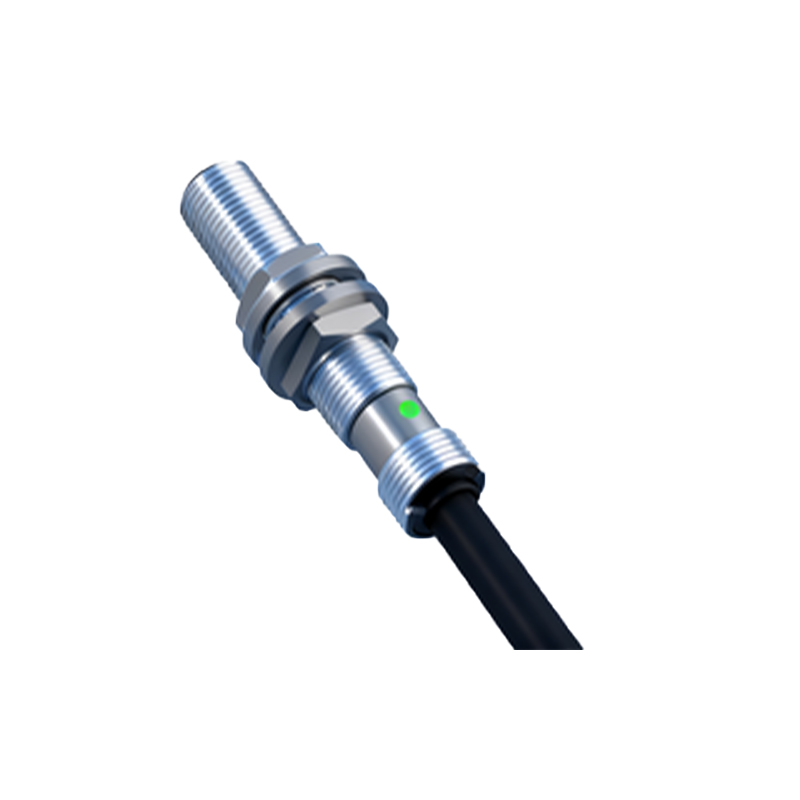
Human proximity sensors also enhance user convenience and accessibility. In consumer electronics, smartphones and tablets use capacitive sensors to disable touchscreens when held close to the ear during calls, preventing accidental inputs. Similarly, gesture recognition in smart TVs or gaming consoles relies on proximity sensing for intuitive control. For individuals with disabilities, touchless interfaces powered by these sensors can provide greater independence, such as in automated wheelchair access or voice-activated home assistants triggered by presence detection. This adaptability underscores their role in improving quality of life and user experience.
However, human proximity sensors are not without drawbacks. A common limitation is their susceptibility to environmental interference. For example, infrared sensors can be affected by ambient light sources, such as sunlight or fluorescent lamps, leading to false triggers or reduced accuracy. Ultrasonic sensors may struggle in noisy environments where sound waves are distorted, while capacitive sensors can be influenced by humidity or electromagnetic interference. These factors necessitate careful calibration and shielding, which can increase complexity and cost in deployment. In outdoor applications, weather conditions like rain or fog may further impair sensor performance, requiring additional protective measures.
Another disadvantage is the limited detection range and field of view inherent in many proximity sensors. Most consumer-grade sensors have a short range, typically a few meters, which may not suffice for large-scale monitoring. Directional constraints also pose challenges; for instance, PIR sensors often detect movement only within a narrow cone, missing objects outside their line of sight. This can lead to blind spots in security systems or inefficient automation in warehouses. To overcome this, multiple sensors must be installed, driving up expenses and installation efforts. Additionally, some technologies, like inductive sensors, are ineffective with non-metallic objects, restricting their use to specific industrial contexts.
Cost considerations also play a role in the adoption of human proximity sensors. High-precision sensors, such as those using time-of-flight (ToF) or LiDAR principles, offer superior accuracy and range but come at a premium price. For budget-sensitive projects, this can be prohibitive, forcing compromises on performance. Maintenance and troubleshooting add to the total cost of ownership, as specialized knowledge may be needed to diagnose issues like sensor drift or calibration errors. In contrast, simpler alternatives like mechanical switches are cheaper upfront, though they may incur higher long-term costs due to frequent replacements.
Privacy concerns have emerged as a notable downside, particularly in applications involving data collection. Smart devices with proximity sensors can inadvertently track user presence or movements, raising questions about data security and consent. In workplaces or public spaces, continuous monitoring via sensors might be perceived as intrusive, necessitating clear policies and transparency. Furthermore, sensor malfunctions or hacking vulnerabilities could lead to unauthorized access, highlighting the need for robust encryption and regular software updates. Balancing functionality with ethical considerations remains an ongoing challenge for developers and regulators.
Despite these challenges, advancements in sensor technology continue to address many limitations. Hybrid systems combining multiple sensing principles, such as IR with ultrasonic, improve reliability by cross-verifying signals. Artificial intelligence and machine learning algorithms are being integrated to filter out false positives and adapt to changing environments. As costs decrease and capabilities expand, human proximity sensors are poised to become even more pervasive, from healthcare monitoring to smart city infrastructure. By weighing their advantages against disadvantages, users can make informed decisions to harness their potential effectively.
In