Proximity sensors are integral components in modern technology, serving as the eyes of countless automated systems. These devices detect the presence or absence of objects within a specific range without any physical contact. Their primary function is to provide critical spatial awareness to machines, enabling precise, reliable, and safe operations across a diverse array of applications. The fundamental role of a proximity sensor is to convert information about distance or presence into an electrical signal that a control system can interpret and act upon.
The core mechanism involves emitting a field or beam, such as an electromagnetic field, infrared light, or ultrasonic sound waves. When an object enters this field, it causes a detectable change—like a reflection or a disturbance in the field's properties. The sensor's circuitry then processes this change and triggers an output signal. This non-contact nature is a key advantage, eliminating mechanical wear and tear and allowing for detection of fragile, delicate, or fast-moving objects that physical switches might damage or miss.
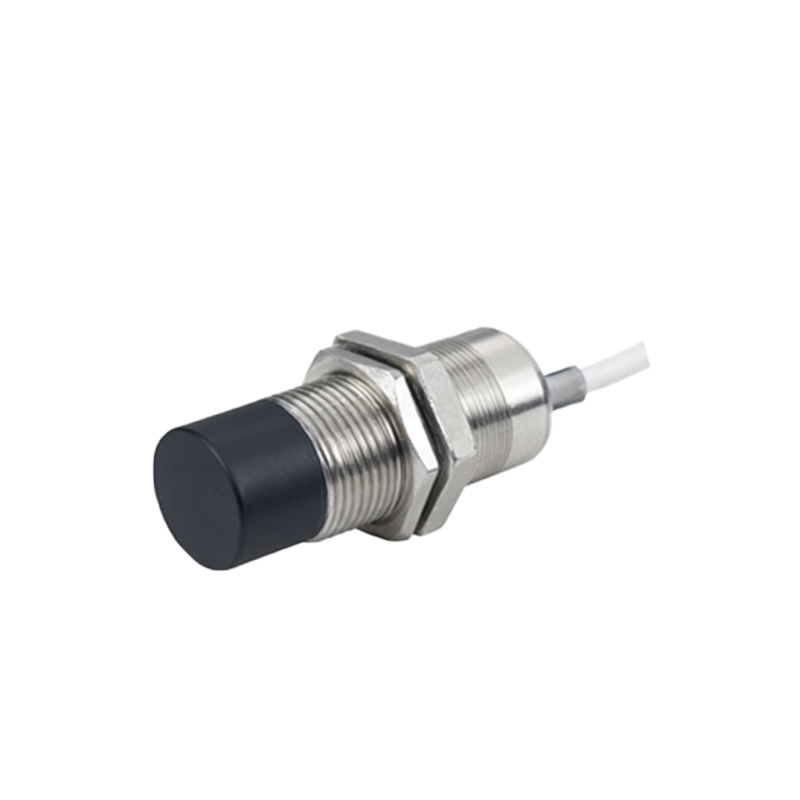
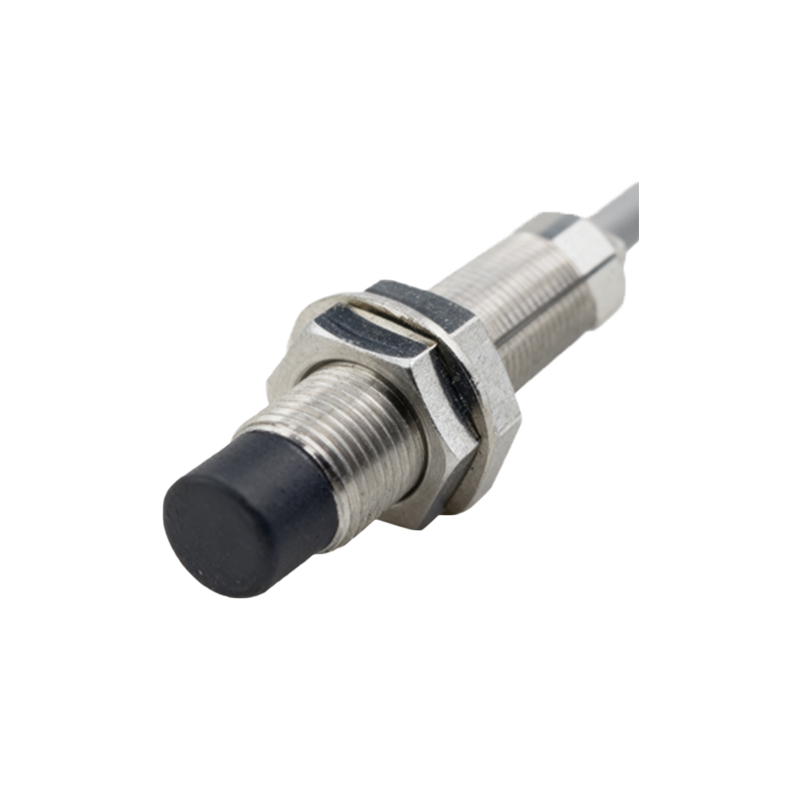
In industrial automation, the role of proximity sensors is paramount. They are the workhorses on assembly lines, performing tasks like object counting, precise positioning of robotic arms, and verifying the presence of components. For instance, in a bottling plant, inductive proximity sensors can detect metal caps on conveyor belts to ensure each bottle is properly sealed before packaging. Capacitive sensors, on the other hand, can detect liquid levels through container walls or identify non-metallic materials like plastic or glass, adding a layer of versatility.
The automotive industry relies heavily on these sensors for both manufacturing and vehicle operation. On the factory floor, they ensure robotic welders are correctly positioned. In the vehicle itself, ultrasonic proximity sensors form the backbone of parking assist systems, providing audible or visual warnings as the car approaches an obstacle. This application directly enhances driver safety and convenience, preventing minor collisions.
Consumer electronics offer another widespread domain for proximity sensor application. In smartphones, a small infrared proximity sensor detects when the phone is held to the user's ear during a call. It then automatically disables the touchscreen to prevent accidental cheek-presses, conserving battery life and improving user experience. Similarly, automatic faucets and soap dispensers in public restrooms use infrared sensors to detect hands, promoting hygiene and reducing water waste.
Beyond these common uses, proximity sensors play a critical role in safety systems. Light curtains, which are arrays of photoelectric sensors, create an invisible protective barrier around dangerous machinery. If a worker's hand breaks this light beam, the system immediately halts the machine, preventing serious injury. In the realm of aerospace, these sensors monitor landing gear deployment and ensure clearances between moving parts.
The choice of sensor type—inductive, capacitive, photoelectric, or ultrasonic—is dictated by the specific requirements of the task, including the material of the target object, required detection range, environmental conditions (like dust or moisture), and response speed. Inductive sensors excel with metals, capacitive sensors with a wider range of materials, photoelectric sensors offer long ranges, and ultrasonic sensors perform well in challenging environments.
In summary, the role of proximity sensors is to provide essential, non-contact situational awareness. They bridge the physical and digital worlds, allowing machines to perceive their immediate environment. This capability is foundational to automation, efficiency, safety, and the smart functionality we now expect in everything from industrial robots to personal devices. By enabling precise detection and control, they silently but powerfully drive innovation and reliability in technology, making automated processes not only possible but also intelligent and responsive.