In the ever-evolving landscape of automotive care, a quiet revolution is taking place. The traditional image of a car wash—with spinning brushes, flapping cloths, and the potential for swirl marks—is being challenged by a sophisticated, gentle, and highly efficient alternative: the proximity sensor car wash. This technology represents the pinnacle of "touchless" or "no-touch" washing, leveraging advanced electronics to deliver a clean that is both thorough and remarkably safe for a vehicle's finish.
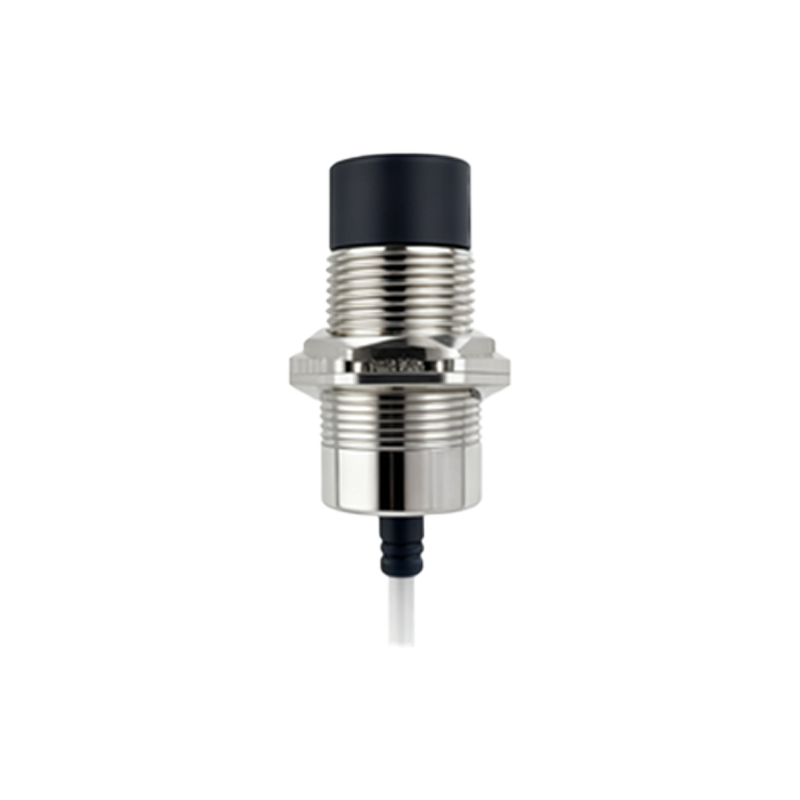
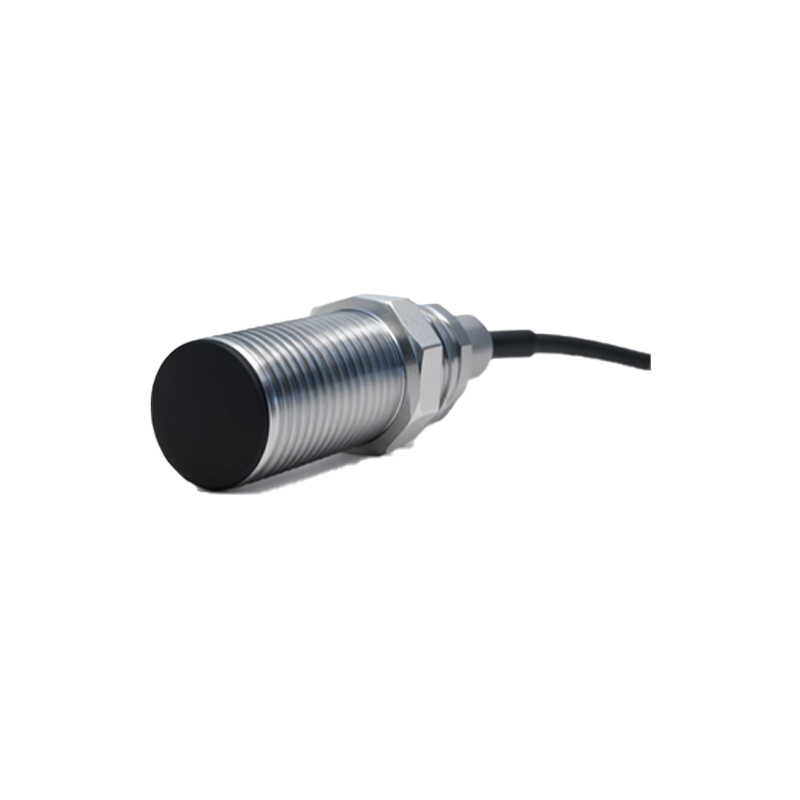
At its core, a proximity sensor car wash operates on a simple yet brilliant principle: it "sees" the car. Instead of relying on pre-programmed paths or generic timing, an array of sensors, often ultrasonic or infrared, creates a dynamic 3D map of the vehicle's exact contours as it enters the wash bay. These sensors continuously measure the distance between the high-pressure spray arch and every curve, panel, and protrusion of the car in real-time. This data is instantly fed to a central computer, which orchestrates the movement of the spray nozzles. The result is a perfectly tailored wash where the cleaning agents and high-pressure rinse follow the unique silhouette of each vehicle, maintaining an optimal and consistent distance from the paint surface at all times.
The benefits of this sensor-driven approach are substantial and address the primary concerns of both car owners and wash operators. For the vehicle owner, the foremost advantage is the elimination of physical contact. Without brushes or cloths, there is virtually no risk of inflicting the fine scratches, swirls, or "cobwebbing" that can dull a car's clear coat over time. This makes proximity sensor washes the preferred choice for owners of new cars, vehicles with delicate paint (like matte finishes), or those with aftermarket wraps and decals. The precision targeting also ensures that potent cleaning chemicals and high-pressure water are applied exactly where needed, enhancing cleaning power on grime while minimizing waste and runoff.
From an operational standpoint, the technology offers remarkable efficiency and versatility. A single wash bay can perfectly accommodate a compact sedan, a full-size pickup truck, or an SUV without manual adjustment, as the system automatically adapts. This reduces cycle times and increases throughput. Furthermore, the gentle nature of the wash means less wear and tear on the equipment itself, leading to lower maintenance costs compared to traditional brush systems. The high-tech, touchless image also appeals to a growing market segment that values innovation and premium care for their vehicles.
The washing process in a proximity sensor bay is a symphony of precision. As the vehicle is guided onto the track or remains stationary (depending on the system design), the initial sensor scan takes place. Then, a pre-soak solution is applied, precisely following the car's shape to loosen dirt and road film. This is followed by a carefully formulated touchless detergent, which encapsulates and lifts the grime. The final act is a high-pressure rinse, again meticulously mapped to the vehicle, which blasts away all residues without ever touching the paint. Many advanced systems incorporate spot-free reverse osmosis (RO) water in this final rinse to prevent water spots as the car dries.
While the advantages are clear, it's important to have realistic expectations. For vehicles caked in thick, dried mud or heavy layers of brake dust, the sheer mechanical action of a soft-cloth brush wash might be more immediately effective. However, for the vast majority of everyday dirt, road salt, pollen, and light grime, a modern proximity sensor wash provides an exceptional clean. For optimal results, regular washing is recommended to prevent contaminants from bonding too strongly to the surface.
Looking ahead, the integration of proximity sensors is just the beginning. The future points toward even smarter systems that could use optical sensors to identify the level of soiling on different panels and adjust chemical dilution or pressure accordingly. Integration with license plate recognition or mobile apps could allow for personalized wash programs stored to a customer's profile.
In conclusion, the proximity sensor car wash is far more than a gimmick. It is a mature, reliable, and superior technology that redefines automated vehicle cleaning. By marrying high-pressure water and advanced chemistry with the guiding intelligence of real-time spatial sensing, it delivers a clean that is powerful, safe, and consistently excellent. For the discerning car owner seeking to preserve their vehicle's appearance without compromise, it represents the intelligent choice in a modern car wash landscape.