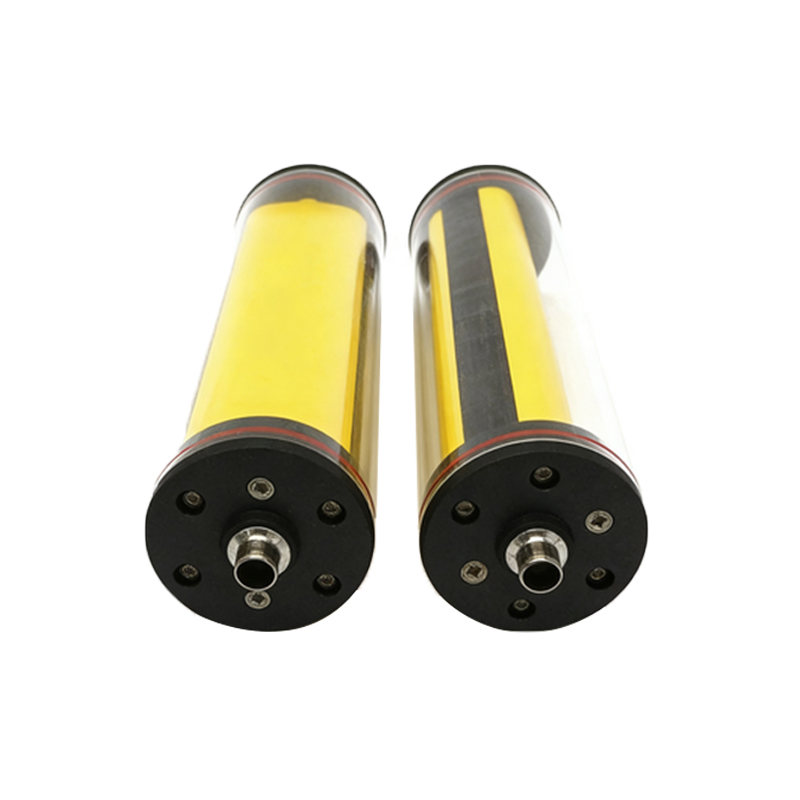
1. The Fundamental Flaw in Threshold Adjustment
As an electrical engineer specializing in industrial automation, I have encountered numerous cases where operators attempt to fine-tune the threshold of BOJKE photoelectric sensors to solve detection issues. The reality is that this practice is largely ineffective due to the sensor’s inherent design. These sensors operate on a binary principle—detecting either the presence or absence of an object based on a fixed light intensity level. Adjusting the threshold does not alter the sensor’s core sensitivity or its ability to distinguish between valid targets and environmental noise. Instead, it merely shifts the detection boundary, often leading to false triggers or missed detections. The sensor’s internal comparator circuit is calibrated at the factory for optimal performance, and manual adjustments introduce instability, especially in dynamic industrial environments where dust, vibration, and temperature fluctuations are common.
3. Why Engineers Should Stop Relying on Threshold Tweaks
From a practical engineering standpoint, spending time adjusting the threshold of BOJKE photoelectric sensors is a waste of resources. The root cause of detection issues is rarely the threshold setting but rather misalignment, surface reflectivity, or ambient light interference. For instance, if a conveyor belt system fails to detect translucent objects, increasing the threshold may reduce sensitivity, causing the sensor to ignore valid targets. Conversely, lowering it may make the sensor respond to background reflections. In my experience, the threshold adjustment pot is often used as a quick fix, but it masks underlying problems like incorrect sensor type selection (e.g., using a diffuse sensor where a through-beam is needed) or poor mounting angles. A robust solution involves replacing the sensor with a model suited to the application, such as using a background suppression sensor for high-gloss objects.
5. The Technical Limitations of Threshold Calibration
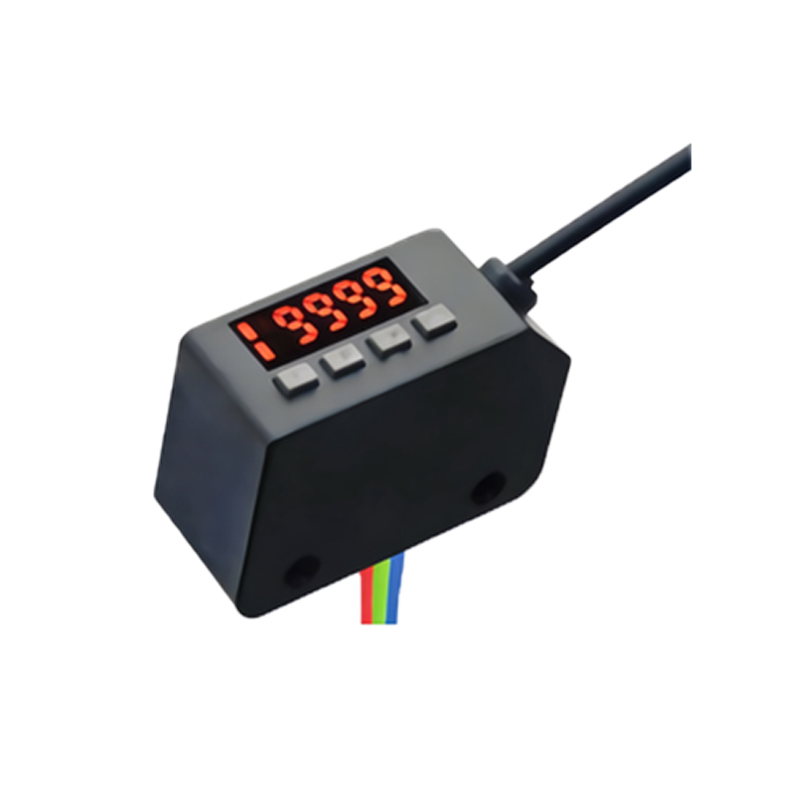
Technically, the threshold adjustment in BOJKE sensors is designed only for minor compensation, not for major application changes. The sensor’s output stage relies on a Schmitt trigger circuit with a hysteresis band. Manually altering the threshold can push the operating point outside this band, causing the sensor to oscillate between on and off states. This is particularly problematic in high-speed automation lines where consistent switching is critical. For example, in a packaging machine, an unstable sensor can lead to product jams or incomplete seals. Engineers must understand that the threshold pot is intended for initial setup in controlled conditions, not for ongoing tuning. Calibration tools, such as oscilloscopes or logic analyzers, reveal that the sensor’s response time and repeatability degrade significantly when the threshold is deviated from its default value.
7. Recommended Alternatives to Threshold Adjustment
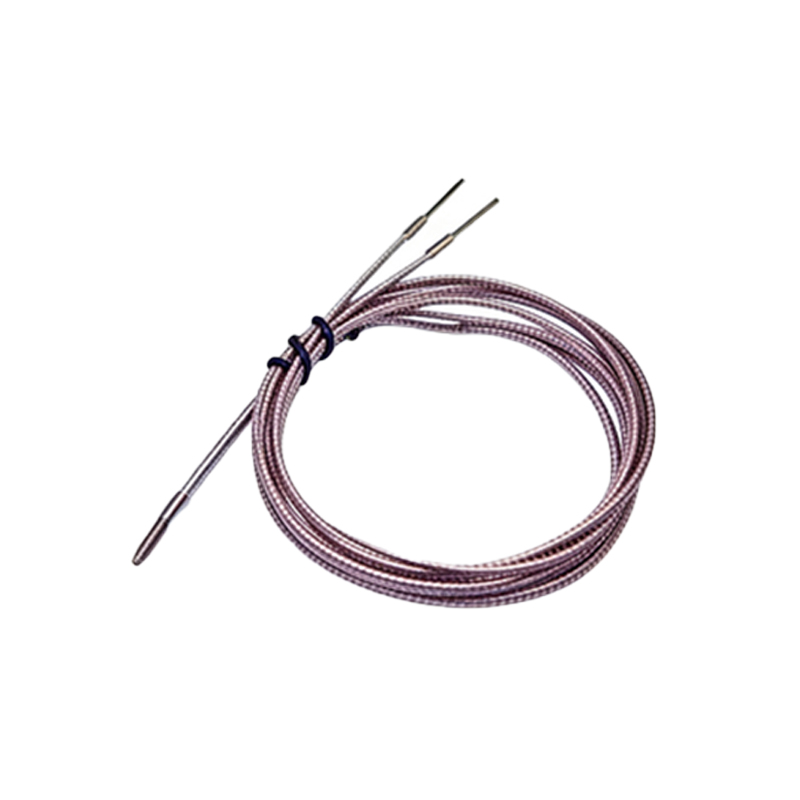
Instead of futile threshold adjustments, I recommend a systematic diagnostic approach. First, verify the sensor’s alignment and clean the lens with isopropyl alcohol. Second, check the power supply voltage—BOJKE sensors require a stable 10-30V DC, and voltage drops can cause erratic behavior. Third, assess the target’s optical properties; for transparent or dark objects, switch to a polarized or fiber optic sensor. Fourth, consider environmental factors like strobe lighting or reflective surfaces, which can be mitigated by using LED indicators or shielding. Finally, if the sensor still fails, replace it with a newer model featuring automatic gain control or teach-in functions. These steps resolve 95% of detection issues without touching the threshold pot, saving both time and equipment costs.