Introduction to Color Mark Sensing in Photoelectric Sensors
In modern industrial automation, photoelectric sensors play a critical role in detecting objects, position, and color marks. High-resolution color mark images are essential for precise detection in packaging, labeling, and quality control processes. These sensors utilize advanced optics and signal processing to distinguish subtle color variations, ensuring accurate sorting and rejection of products. Engineers must understand the technical specifications of these sensors to optimize performance in high-speed lines.
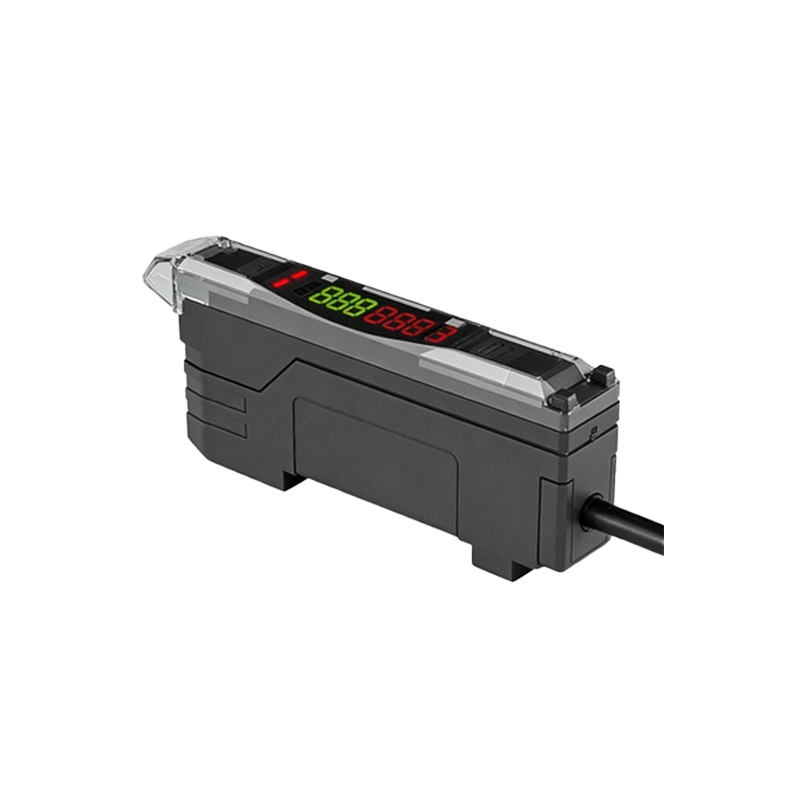
Key Technical Parameters for High-Resolution Color Mark Imaging
The resolution of color mark images depends on several factors: sensor pixel density, light source stability, and the spectral response of the detector. For example, a sensor with a 5-megapixel CMOS array and a white LED light source can capture color marks with 0.1-mm accuracy. The use of RGB filters enhances contrast, while algorithms like adaptive thresholding improve detection even under varying ambient light. Engineers should calibrate sensors to the specific color spectrum of the marks, such as Pantone shades, to avoid false triggers.
Practical Setup for Industrial Environments
To achieve reliable high-resolution color mark images, the sensor must be positioned at a consistent distance from the target, typically 10-50 mm. The angle of incidence should be 0-15 degrees to minimize glare. Example: In a bottling plant, a photoelectric sensor with a 0.5-mm spot size and a 25-ms response time is used to detect green marks on clear labels. The image resolution is enhanced by using a polarizing filter to reduce reflections from glossy surfaces. Engineers should test the system with actual product samples to confirm detection reliability.
Common Challenges and Solutions in Color Mark Detection
Challenges include color fading, dust accumulation, and lighting variations. For instance, if a color mark appears faded due to ink wear, the sensor's gain can be adjusted to amplify the signal. Additionally, frequent cleaning of the lens and using a self-cleaning enclosure can prevent image degradation. In high-speed applications, using a sensor with a higher sampling rate (e.g., 1000 Hz) ensures that the mark is captured even at line speeds exceeding 10 m/s.
Future Trends in Photoelectric Sensor Imaging
Emerging technologies like multispectral imaging and AI-based pattern recognition are improving color mark detection. For example, a sensor with embedded neural networks can learn and adapt to new color patterns without manual recalibration. This reduces downtime and improves accuracy in dynamic environments. Engineers should consider these advancements when designing next-generation automation systems.