Introduction to High-Performance Photoelectric Sensors
In the competitive landscape of industrial automation, photoelectric sensors have become indispensable for precise object detection, positioning, and quality control. The most popular models on the market today combine robust design, long sensing ranges, and advanced optics to meet the demands of harsh manufacturing environments. As a senior electrical engineer, I have evaluated numerous sensor families, and the following types consistently dominate sales due to their reliability and versatility.
Key Features Driving Sales in Industrial Sensors
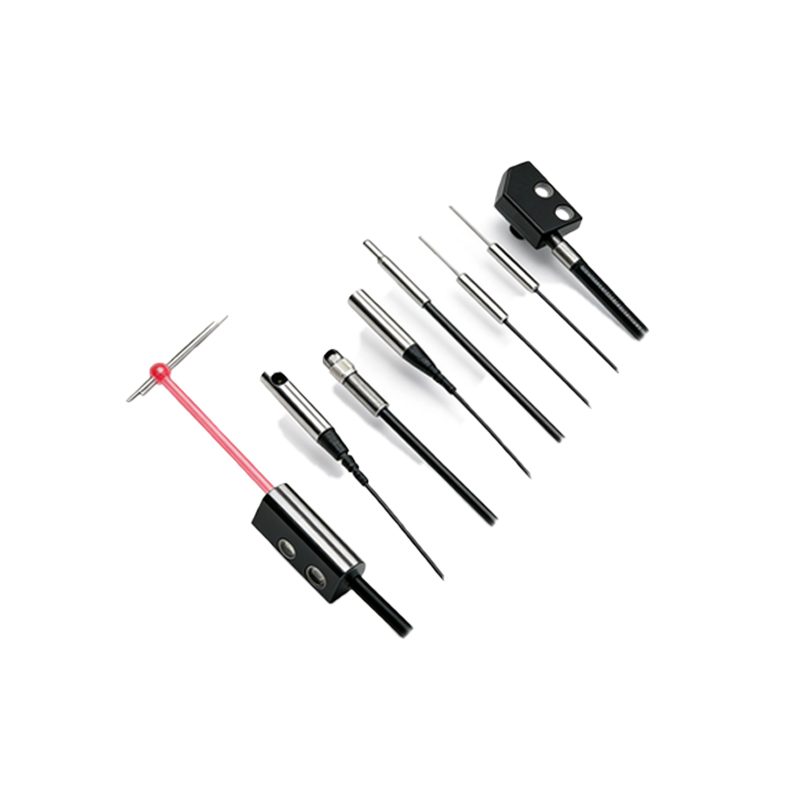
The best-selling photoelectric sensors share several critical attributes. First, they offer high immunity to ambient light interference, ensuring stable operation even near bright sources. Second, many top models feature adjustable sensitivity and output configurations (PNP, NPN, or analog), allowing seamless integration with PLCs and industrial networks. Third, compact housings with IP67 or higher protection ratings enable mounting in tight spaces while resisting dust, moisture, and vibration. Additionally, laser-based sensors for long-distance detection and diffuse types for close-range tasks are popular due to their adaptability.
Top-Selling Sensor Types and Their Applications
Among the most commercially successful products are through-beam sensors, which provide the longest range (up to 50 meters) and highest reliability for counting objects on fast conveyor lines. Retro-reflective sensors with polarized filters are widely used for detecting transparent items like glass bottles, as they avoid false triggers from reflective surfaces. Diffuse sensors with background suppression are the top choice for robotics and packaging machines, as they accurately detect objects regardless of color or texture. Sales data from major distributors show that models from brands like SICK, Banner Engineering, and Omron lead the market due to their field-proven durability and extensive accessory options.
Selection Criteria for High-Volume Applications
When specifying sensors for high-throughput manufacturing, engineers prioritize response times below 1 millisecond and repeatability within ±0.1 mm. For example, in automotive assembly lines, through-beam sensors with fiber-optic extensions are preferred for their immunity to electromagnetic interference. In food and beverage processing, stainless steel sensors with FDA-approved materials and flush-mountable designs are best-sellers. Cost-effectiveness also plays a role, with mid-range models from Pepperl+Fuchs and Keyence offering the best balance of performance and price for general automation.
Future Trends in Photoelectric Sensor Sales
The market is shifting toward smart sensors with IO-Link communication, which enables real-time diagnostics and parameter changes without physical access. Sales of sensors with integrated Ethernet interfaces (EtherCAT, Profinet) are growing rapidly as factories adopt Industry 4.0 standards. Additionally, miniature sensors for collaborative robots and autonomous mobile robots are seeing soaring demand. Engineers should also consider sensors with multi-mode operation (e.g., switching between diffuse and retro-reflective) to reduce inventory complexity.
Conclusion: Investing in Market-Proven Technology
For industrial applications requiring high uptime and accurate detection, investing in top-selling photoelectric sensors is a sound engineering decision. These products have been validated through thousands of installations and offer extensive technical support from manufacturers. To stay competitive, always review the latest datasheets and consult with suppliers to match sensor performance to your specific process needs.