Introduction to Through-Beam Photoelectric Sensors
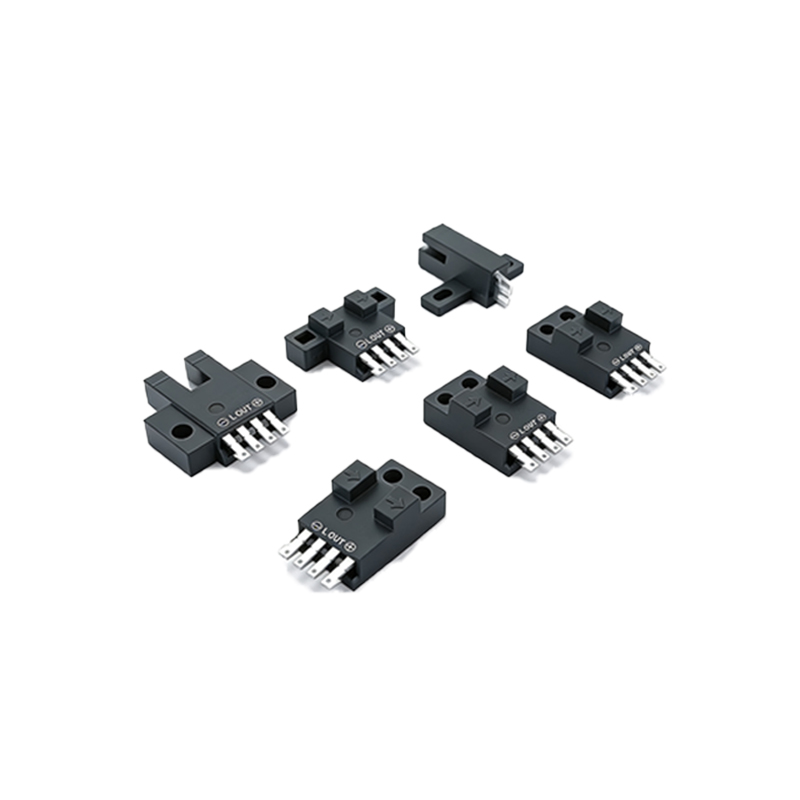
Through-beam photoelectric sensors consist of a separate emitter and receiver, creating a light beam that is interrupted by an object. These sensors are widely used in industrial automation for precise detection of parts, boxes, and other items. However, their performance can be significantly degraded by environmental factors, particularly water vapor or mist, which scatters and absorbs the light beam, leading to false triggers or signal loss.
How Water Vapor Affects Sensor Performance
Water vapor, including fog, steam, or high humidity, introduces tiny water droplets into the optical path. These droplets act as scattering centers, reducing the intensity of the light reaching the receiver. This attenuation can cause the sensor to interpret a clear path as blocked, resulting in nuisance alarms. In extreme cases, complete beam obstruction may occur, halting production lines. For example, a sensor with a 10-meter range may have its effective detection distance reduced to 3 meters in heavy mist.
Key Factors in Water Vapor Interference
The severity of interference depends on droplet size, density, and the sensor’s wavelength. Infrared sensors (e.g., 850 nm) are more susceptible to scattering than visible red light (e.g., 650 nm) due to their longer wavelength. Additionally, turbulent air flow near steam vents or washing stations can create unstable vapor pockets, causing intermittent errors. Temperature gradients also lead to beam refraction, further complicating detection.
Practical Solutions for Mitigating Water Vapor Issues
To maintain reliability, consider these engineering approaches:
1. Use sensors with modulated light frequencies to filter out ambient noise.
2. Increase the sensor’s light output power or select a model with a higher excess gain.
3. Install air purging systems or protective housings with heated lenses to prevent condensation.
4. Align the sensor beam horizontally to reduce vertical droplet accumulation.
5. Choose sensors with a visible red light source for better penetration in mist.
Application Case Study: Food Processing Plant
In a wet food processing environment, standard through-beam sensors failed due to steam from cleaning cycles. After switching to a 650 nm red light sensor with a 50 mm lens diameter and adding compressed air purging, the error rate dropped from 15% to less than 0.5%. The system now reliably detects plastic crates on a conveyor, even during high-humidity periods.
Maintenance and Calibration Best Practices
Regular cleaning of lens surfaces is critical, as water residue combined with dust forms a film that further degrades light transmission. Use a soft cloth with isopropyl alcohol for cleaning. Calibration should be performed during dry conditions to set a baseline, then verified under wet conditions using a target object. Documenting environmental humidity levels in the sensor’s log helps predict degradation patterns.
Conclusion
Water vapor presents a significant but manageable challenge for through-beam photoelectric sensors. By understanding the physics of light scattering and applying targeted engineering solutions, such as modulated light, air purging, and proper sensor selection, engineers can ensure robust performance even in the most humid industrial settings. Regular maintenance further extends sensor life and reduces downtime.