Introduction to Photoelectric Sensors in Modern Industry
Photoelectric sensors are critical components in automation systems, offering non-contact detection capabilities for objects, materials, and distances. As an electrical engineer with over 15 years in the field, I have witnessed the evolution of these sensors from basic through-beam models to advanced smart sensors. The latest product catalog 2024 introduces enhanced reliability, longer sensing ranges, and improved resistance to environmental factors such as dust, moisture, and ambient light. This guide provides an in-depth look at the newest offerings, focusing on key specifications, installation considerations, and performance optimization.
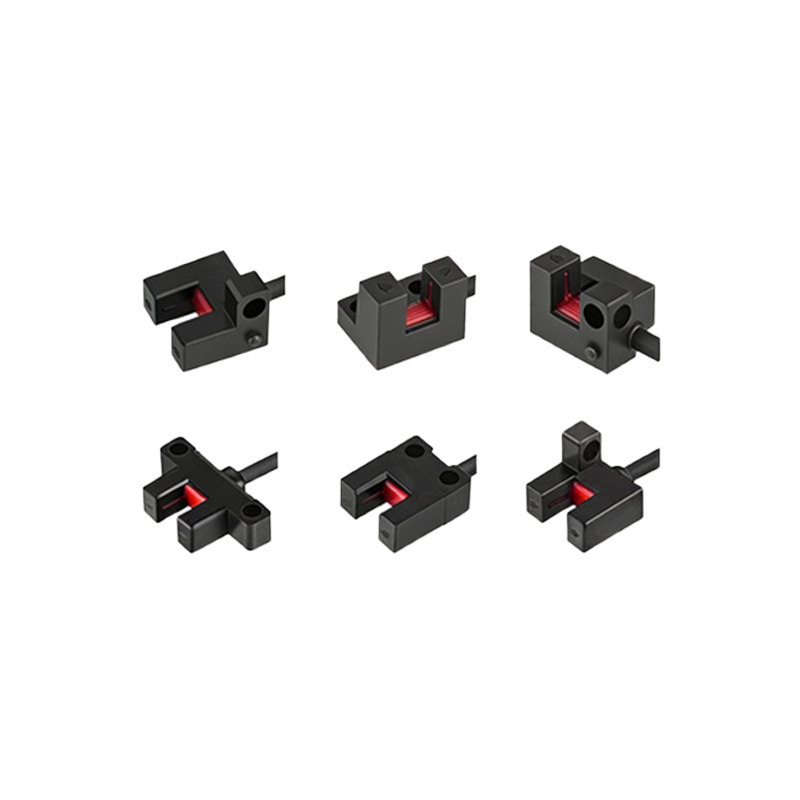
Key Features of the New Photoelectric Sensor Series
The updated catalog features three main types: through-beam, retro-reflective, and diffuse sensors. The through-beam sensors now offer a maximum range of 50 meters, ideal for conveyor belts in logistics. Retro-reflective models utilize polarized filters to eliminate false triggers from shiny surfaces, with a range up to 15 meters. Diffuse sensors have been redesigned with background suppression technology, ensuring stable detection even on dark or multicolored objects. Additionally, all units include M12 connectors for easy integration, IP67 protection ratings, and optional IO-Link communication for real-time data monitoring.
Selection Criteria for Application-Specific Needs
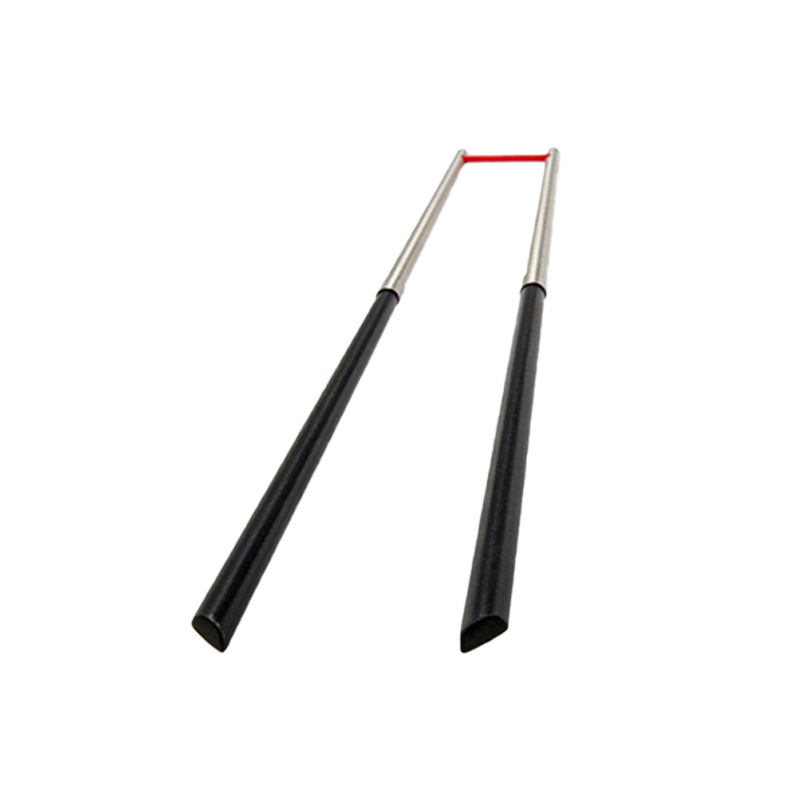
When selecting a photoelectric sensor, consider the target object's material, color, and reflectivity. For transparent objects like glass or plastic, use a retro-reflective sensor with a special emitter. For high-speed applications, such as packaging lines, choose sensors with a response time below 1 millisecond. The catalog also includes laser-based sensors for precision tasks, offering a spot size of 0.5 mm at a distance of 1 meter. Always verify the ambient light conditions; new models feature automatic gain control to adjust to fluctuating light.
Installation and Configuration Best Practices
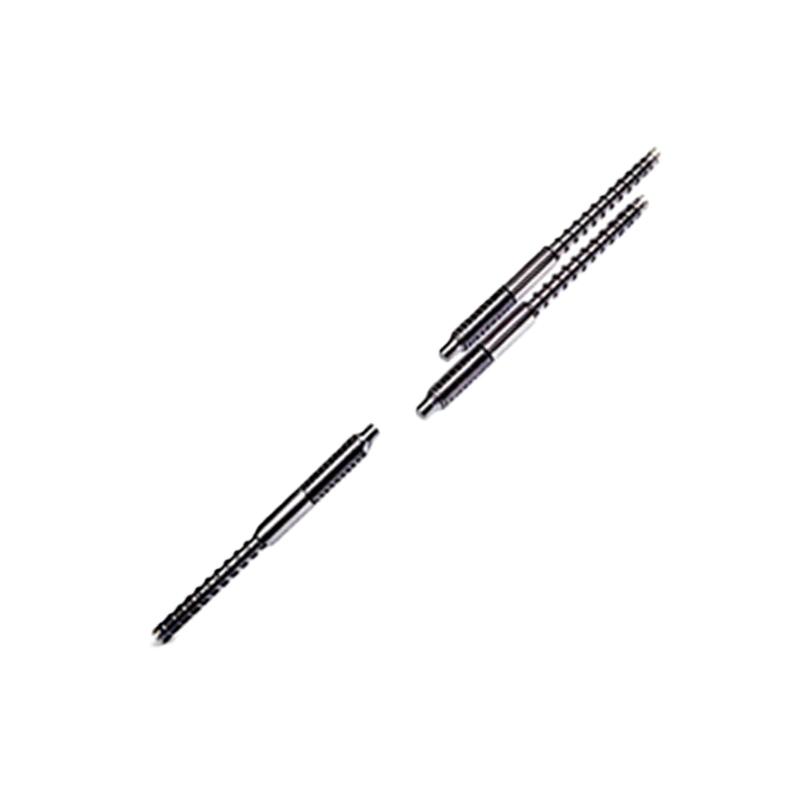
Proper installation ensures maximum performance. Mount sensors at a suitable angle to avoid direct sunlight or reflections from nearby machinery. Use the included alignment tools for through-beam pairs. For diffuse sensors, set the sensing distance via the potentiometer or IO-Link software. In harsh environments, apply protective housings or air purge units to prevent contamination. The catalog provides detailed wiring diagrams and troubleshooting guides for common issues like cross-talk between multiple sensors.
Performance Optimization and Maintenance
To extend sensor lifespan, perform regular cleaning of the lens with a soft cloth and alcohol solution. Use the diagnostic LED indicators to monitor signal stability. For systems with high vibration, secure cables with strain relief clamps. The latest sensors include self-diagnostic features that alert users to potential failures before they affect production. Calibration intervals depend on usage; for continuous duty cycles, quarterly checks are recommended.
Future Trends and Compatibility with Industry 4.0
The 2024 catalog emphasizes compatibility with Industry 4.0. IO-Link integration allows for parameterization, diagnostics, and data logging from a central controller. This enables predictive maintenance and efficiency analysis. Future sensor developments include miniaturized designs for confined spaces and wireless communication options. Engineers should plan for these upgrades by selecting sensors with modular connectors and firmware update capabilities.
Conclusion: Making an Informed Choice
As an engineer, I recommend reviewing the full catalog to match sensor features with your specific application. Whether for automotive assembly, food processing, or warehouse automation, the latest photoelectric sensors offer robust solutions. Prioritize factors like sensing range, response speed, and environmental resistance. For further assistance, consult the technical support team or online configuration tools provided by the manufacturer.