Introduction to Photoelectric Sensors
Photoelectric sensors are essential components in industrial automation, used for detecting the presence, absence, or distance of objects through light emission. These devices operate based on the interruption or reflection of a light beam, making them versatile for applications ranging from packaging to material handling. Understanding the classification of photoelectric sensors is crucial for selecting the right type for specific tasks, ensuring reliability and performance in diverse environments.
Through-Beam Sensors
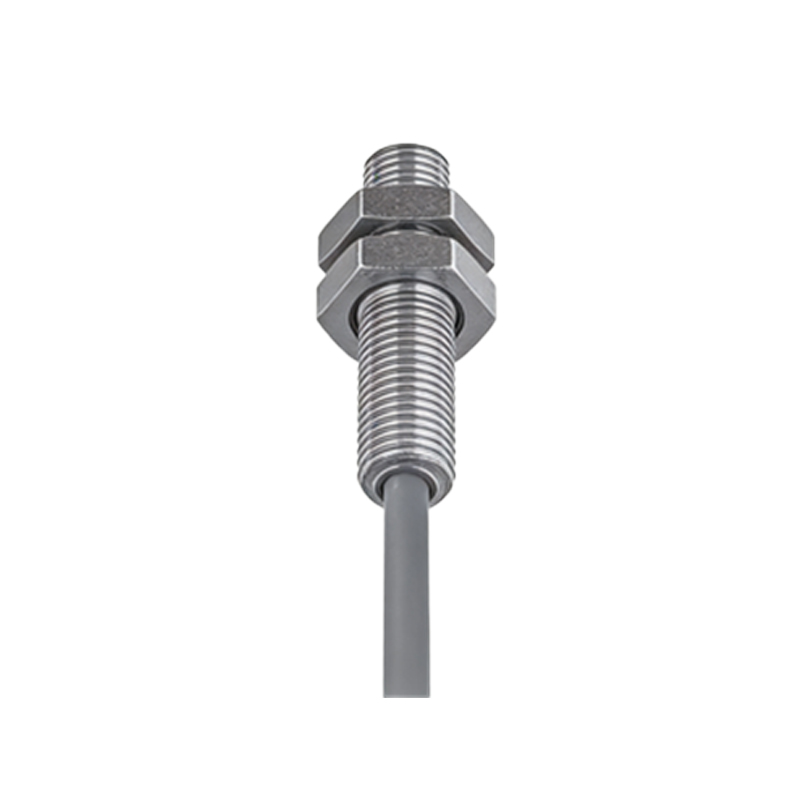
Through-beam sensors consist of a separate transmitter and receiver. The transmitter emits a continuous light beam, which the receiver detects. When an object interrupts the beam, the sensor triggers a signal. This configuration offers the longest sensing range, up to several tens of meters, and high immunity to ambient light, dust, and dirt. However, it requires precise alignment and physical space for both components, making it ideal for applications like perimeter security or long-distance detection in conveyor systems.
Retro-Reflective Sensors
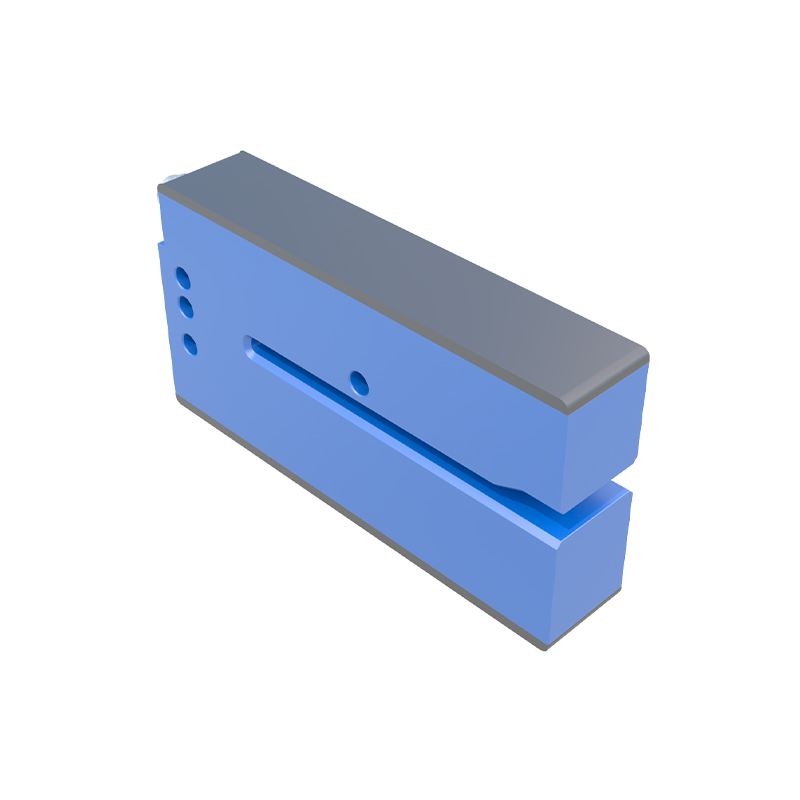
Retro-reflective sensors integrate the transmitter and receiver in a single housing, using a reflector to bounce the light beam back. When an object blocks the beam, the sensor activates. This type simplifies installation compared to through-beam sensors, with a moderate range typically up to 10 meters. It is less sensitive to misalignment but can be affected by highly reflective surfaces. Common uses include detecting transparent objects or monitoring conveyor belts in manufacturing lines.
Diffuse Reflective Sensors
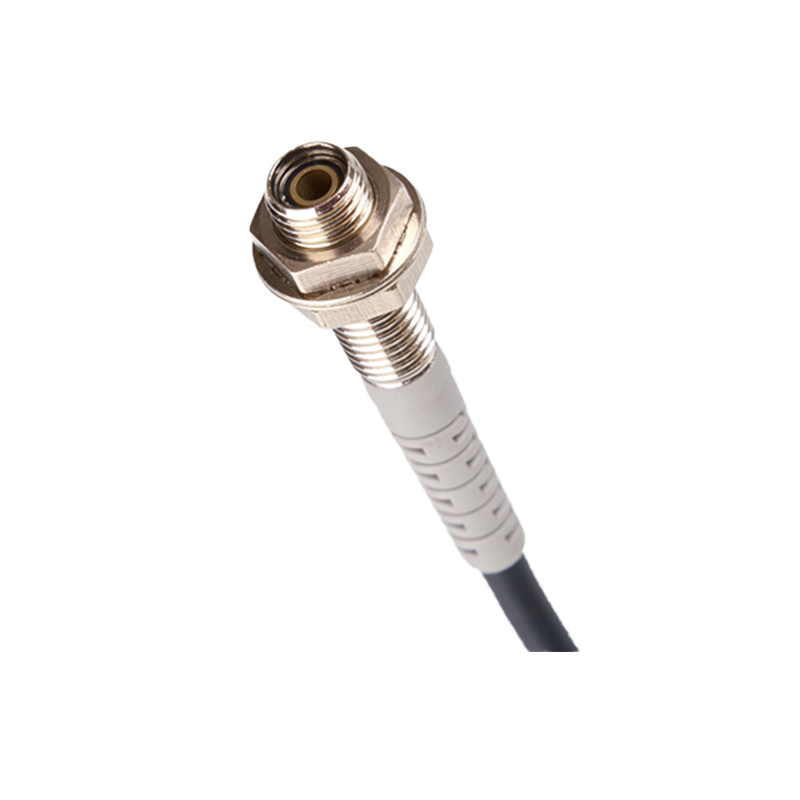
Diffuse reflective sensors, also known as proximity sensors, combine the transmitter and receiver in one unit without a reflector. They detect objects by sensing the reflected light from the target itself. The sensing range is shorter, usually under 2 meters, and depends on the object's reflectivity, color, and surface. These sensors are compact and easy to install, suitable for applications like detecting small parts or in tight spaces where reflectors are impractical.
Fiber Optic Sensors
Fiber optic sensors use flexible fiber optic cables to guide light from the sensor head to the detection area. This configuration allows for remote sensing in harsh environments, such as high temperature, corrosive atmospheres, or confined spaces. They offer high sensitivity and can be adapted with different cable types for through-beam, retro-reflective, or diffuse modes. Fiber optic sensors are common in semiconductor manufacturing or high-speed packaging lines.
Color and Contrast Sensors
Color and contrast sensors are specialized photoelectric devices that differentiate objects based on color or brightness differences. They use RGB or white light sources to analyze reflected spectra, enabling precise sorting in quality control applications. Unlike standard sensors, they can distinguish subtle variations, making them valuable in printing, food processing, or automotive assembly for verifying marks or labels.
Laser Sensors
Laser sensors employ laser diodes for a highly focused, coherent beam. This provides superior accuracy, long range, and minimal beam divergence, ideal for precise detection of small objects or in long-distance applications. They can operate in through-beam or diffuse modes but require careful handling due to eye safety concerns. Typical uses include level monitoring, precise positioning in robotics, or edge detection in metal processing.
Ultrasonic Sensors as an Alternative
While not photoelectric, ultrasonic sensors are often compared due to similar detection roles. They use sound waves instead of light, making them unaffected by color, transparency, or dust. However, they have lower resolution and are slower than photoelectric alternatives. They are useful for liquid level detection or in environments with heavy contamination where optical sensors may fail.
Conclusion and Selection Criteria
Selecting the correct photoelectric sensor involves considering range, object material, environmental factors, and installation constraints. Through-beam sensors offer maximum reliability for long distances, retro-reflective sensors balance ease and performance, while diffuse sensors excel in compact setups. Fiber optic and laser variants address specialized needs. Engineers should evaluate ambient light, temperature, and target characteristics to ensure optimal system integration.