Introduction to Empty Bottle Detection Challenges
In high-speed beverage and pharmaceutical packaging lines, ensuring that every bottle is properly filled is critical for quality control and waste reduction. Empty bottles can pass through filling stations due to mechanical jams, nozzle failures, or misalignment, leading to costly recalls and production inefficiencies. Photoelectric sensors offer a reliable, non-contact solution to detect empty containers in real time, leveraging light beams to identify the absence or presence of liquid or solid contents.
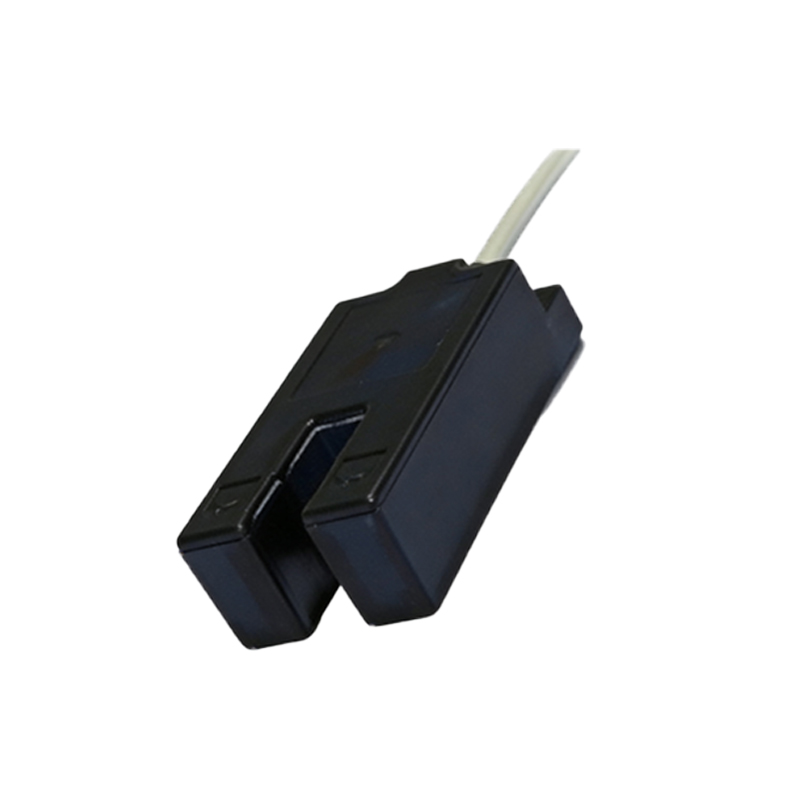
Principle of Operation: Through-Beam and Diffuse Modes
Photoelectric sensors for empty bottle detection typically operate in through-beam or diffuse reflective modes. Through-beam sensors consist of a separate emitter and receiver; when a filled bottle passes between them, the liquid inside refracts and absorbs part of the light beam, reducing the signal received. An empty bottle, being clear or translucent, allows more light to pass through, triggering a detection signal. Diffuse sensors, on the other hand, rely on the reflective properties of the bottle and its contents. Filled bottles reflect light differently due to the liquid’s refractive index, while empty bottles produce a weaker reflection, enabling the sensor to distinguish between states.
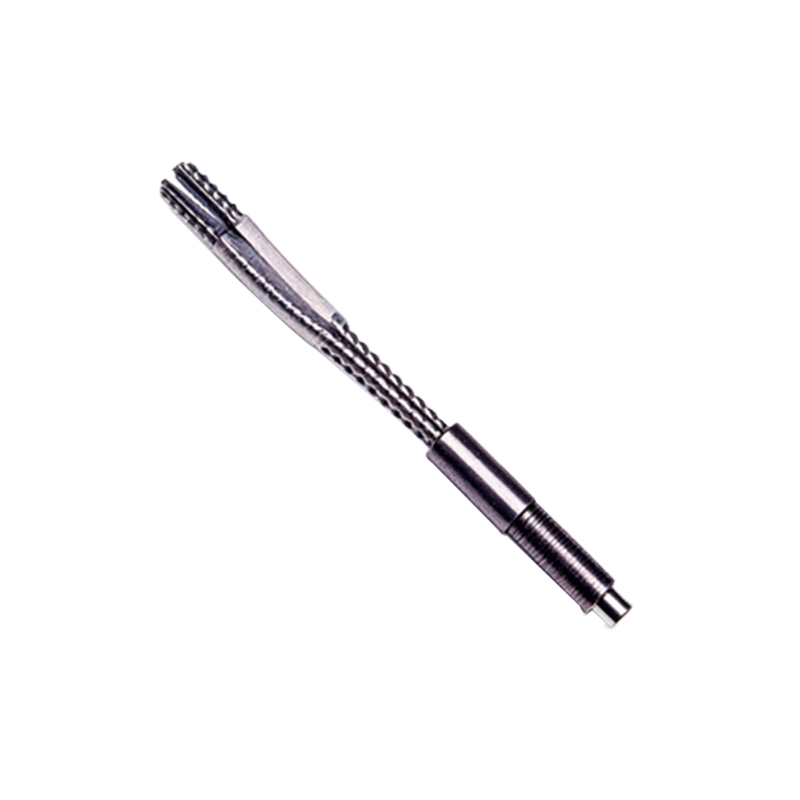
Key Sensor Specifications for Reliable Detection
To achieve accurate empty bottle detection, engineers must select sensors with appropriate operating wavelengths, response times, and sensitivity adjustments. Infrared (IR) sensors around 880 nm to 940 nm are common because they penetrate clear glass and PET plastics effectively. Response times under 1 millisecond are necessary for lines running at speeds exceeding 600 bottles per minute. Additionally, adjustable gain settings allow the sensor to compensate for variations in bottle color, material opacity, or ambient light, ensuring consistent performance across different production batches.
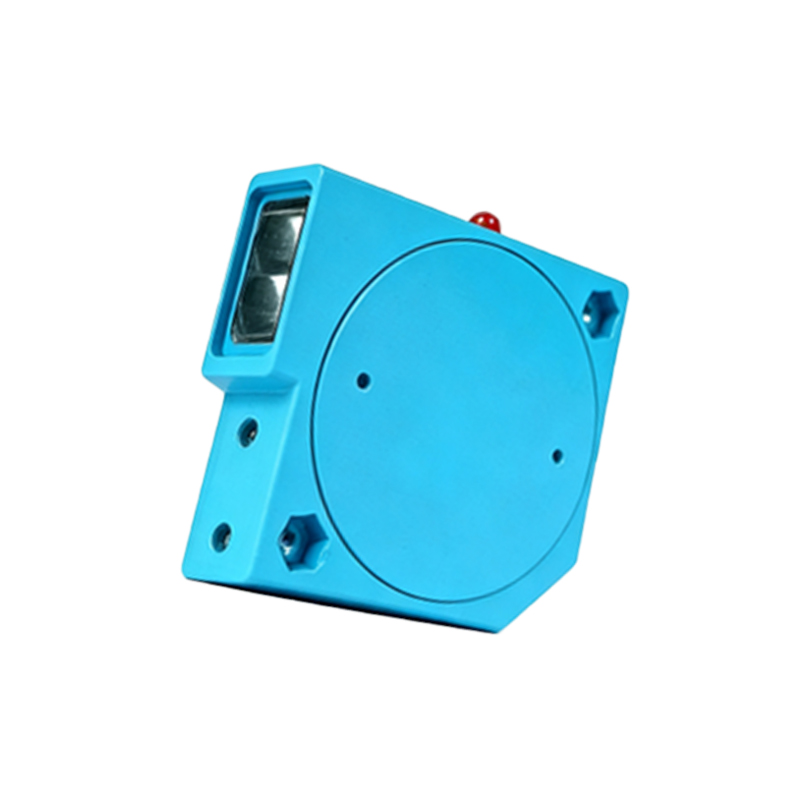
Integration with PLC and Rejection Systems
The sensor’s output signal is typically wired to a programmable logic controller (PLC) that monitors the detection logic. When an empty bottle is identified, the PLC triggers a pneumatic or mechanical rejector downstream, removing the faulty container from the line without stopping production. For example, a through-beam sensor placed after the filling station can send a discrete NPN or PNP signal to the PLC, which then activates a solenoid valve to operate a pusher arm. This closed-loop automation minimizes manual inspection and reduces downtime.
Practical Installation and Calibration Tips
Proper sensor alignment is crucial for reliable detection. In through-beam setups, the emitter and receiver must be precisely aligned across the conveyor width, with the beam intersecting the bottle’s neck or body at the expected fill level. Diffuse sensors should be mounted at a 15- to 30-degree angle to the bottle surface to avoid false reflections from the conveyor belt. Calibration involves setting the sensitivity threshold using a known empty and filled sample, then verifying with multiple bottles under production conditions. Regular cleaning of sensor lenses is also recommended to prevent dust, condensation, or liquid splashes from degrading performance.
Advantages Over Alternative Detection Methods
Compared to capacitive, ultrasonic, or weight-based sensors, photoelectric sensors offer distinct benefits for empty bottle detection. They are faster, more compact, and less affected by bottle material or shape variations. Capacitive sensors, while effective for metal containers, struggle with glass and plastic. Ultrasonic sensors require acoustic coupling and can be disrupted by line vibrations. Weight-based systems add mechanical complexity and slower response. Photoelectric sensors provide a cost-effective, maintenance-friendly solution that integrates seamlessly into existing packaging machinery.
Conclusion: Ensuring Quality with Smart Sensing
Implementing photoelectric sensors for empty bottle detection is a proven strategy in modern manufacturing, enhancing quality assurance while reducing operational costs. By understanding the underlying optical principles, selecting appropriate sensor types, and integrating them with automation controls, engineers can achieve near-zero defect rates. As packaging lines evolve toward Industry 4.0, these sensors will continue to play a vital role in smart factory environments, enabling real-time monitoring and data-driven process improvements.