Introduction to Photoelectric Sensors and IN-OUT Logic
In modern industrial automation, photoelectric sensors play a critical role in object detection, positioning, and counting. Among their various configurations, the IN-OUT (or input-output) function is essential for distinguishing between objects entering or leaving a detection zone. This capability is especially valuable in conveyor systems, packaging lines, and material handling applications. By analyzing the sensor's output signal transitions, engineers can precisely track object movement, enabling efficient process control and inventory management.
How IN-OUT Detection Works
A typical photoelectric sensor operates by emitting a light beam (often infrared, visible red, or laser) and detecting its reflection or interruption. For IN-OUT functionality, sensors are often arranged in pairs or use a single sensor with a reflective background. When an object passes through the beam path, the sensor's output changes from a HIGH to a LOW state (or vice versa), indicating an "IN" event. Conversely, when the object exits the beam, the output reverts, signaling an "OUT" event. Advanced sensors incorporate timing logic to filter out noise and false triggers, ensuring reliable detection in high-speed environments.
Key Applications in Industry
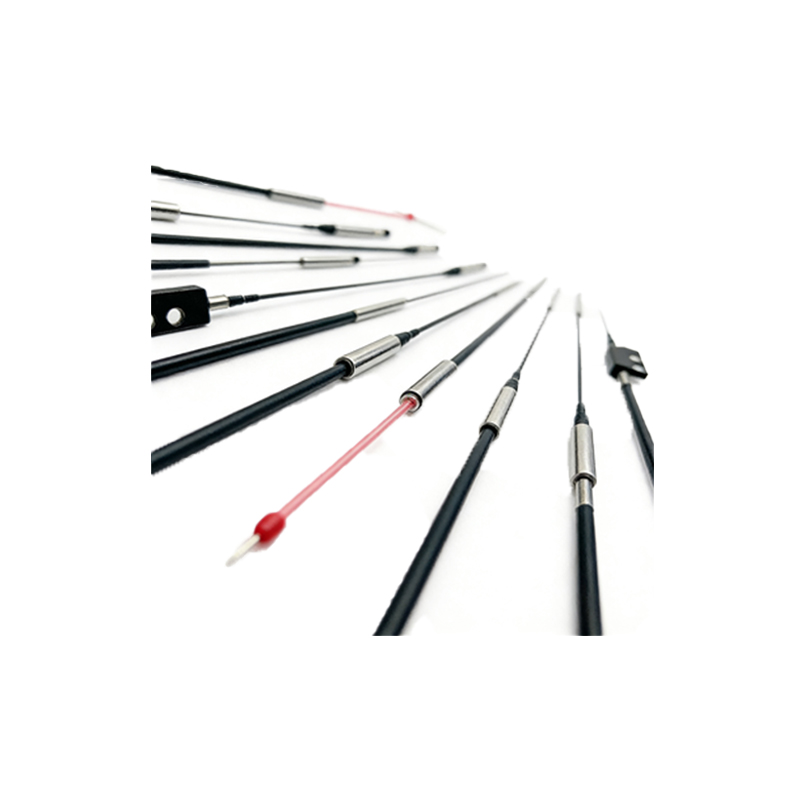
IN-OUT sensors are widely deployed in automated storage and retrieval systems (ASRS), where they monitor product flow through tunnels or chutes. For example, in a bottling plant, a pair of retro-reflective sensors at the entrance and exit of a filling machine can count bottles entering and leaving, synchronizing with a PLC to adjust conveyor speed. Similarly, in automotive assembly, through-beam sensors verify component placement before welding, preventing defects. These applications demand high repeatability and response times below 1 millisecond.
Selection Criteria for IN-OUT Sensors
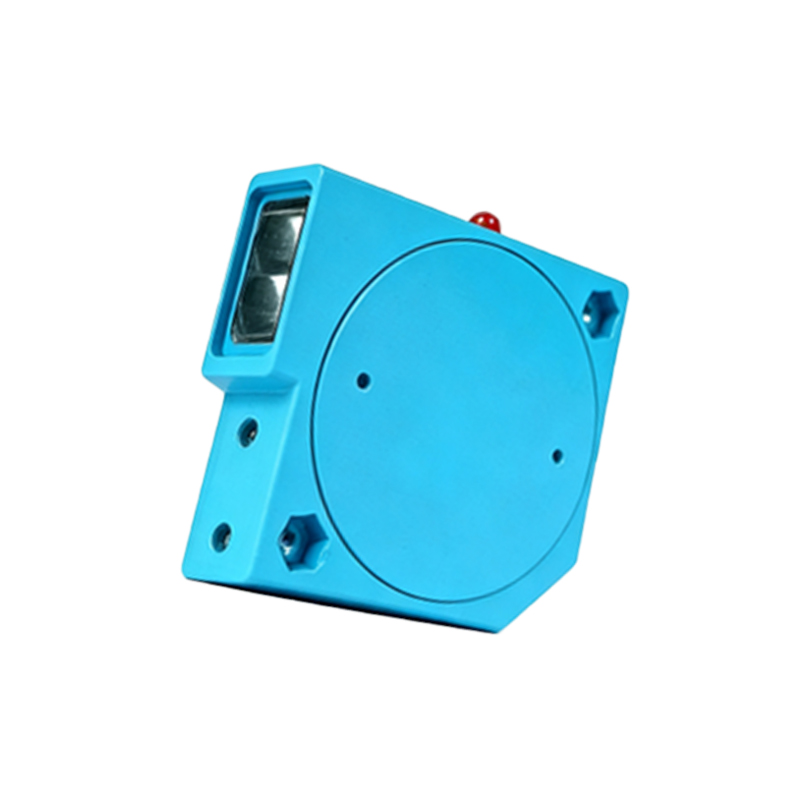
Choosing the right sensor involves evaluating several factors. First, the sensing distance must match the application—diffuse sensors work for short ranges (up to 1 meter), while through-beam types cover distances exceeding 30 meters. Second, the output type (PNP or NPN, depending on the PLC input) and connection method (cable or M12 connector) are critical for integration. Third, environmental resistance (IP67 rating, ambient light immunity) ensures durability in dusty or wet conditions. For IN-OUT logic, sensors with built-in delay timers or counting features simplify programming.
Troubleshooting Common Issues
Engineers often face challenges with false triggering due to reflective surfaces or ambient light interference. To mitigate this, use polarized retro-reflective sensors or adjust the sensitivity threshold via a potentiometer. Crosstalk between multiple sensors in close proximity can be resolved by selecting different modulation frequencies. Additionally, ensure the sensor's LED status indicator aligns with expected output states—steady illumination usually indicates normal operation, while flashing may signal alignment errors or contamination on the lens.
Future Trends and Best Practices
The evolution of Industry 4.0 is driving demand for smart photoelectric sensors with IO-Link communication, enabling real-time diagnostics and parameter adjustment. For IN-OUT applications, this allows remote monitoring of object counts and sensor health. Best practices include regular calibration, using shielded cables to reduce electromagnetic noise, and documenting sensor placement for maintenance. As automation scales, integrating IN-OUT data with MES (Manufacturing Execution Systems) will enhance traceability and efficiency in smart factories.