Introduction to High-Stability Photoelectric Sensors
In modern industrial automation, photoelectric sensors are critical components for object detection, positioning, and quality control. Among the various types, high-stability photoelectric sensors stand out for their ability to maintain consistent performance under challenging conditions such as temperature fluctuations, ambient light interference, and mechanical vibrations. These sensors are essential in manufacturing lines, packaging systems, and logistics, where accuracy and reliability directly impact productivity and safety. This article explores the key features, types, and selection criteria for high-stability photoelectric sensors, offering insights for engineers seeking robust solutions.
Key Features of High-Stability Photoelectric Sensors
High-stability photoelectric sensors are designed with advanced optics and electronics to ensure minimal drift over time. Key features include: (1) immunity to ambient light, using modulated infrared or laser beams to filter out interference; (2) temperature compensation circuits that maintain sensitivity from -25°C to +70°C; (3) reinforced housing with IP67 or higher ratings for dust and moisture resistance; (4) self-diagnostic functions that alert users to lens contamination or alignment issues. These characteristics make them ideal for harsh environments like steel mills, food processing, and automotive assembly lines.
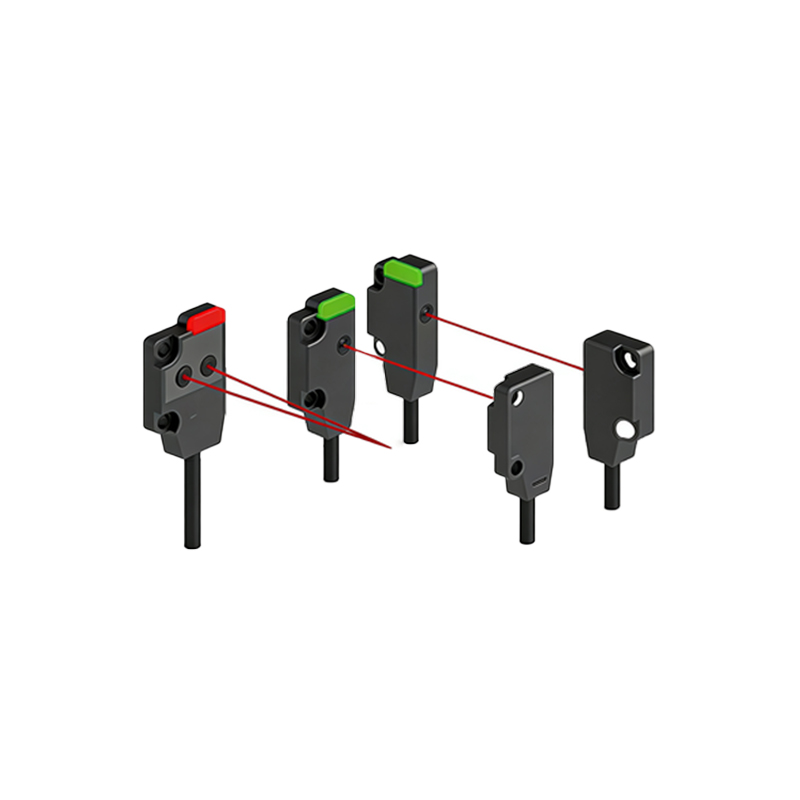
Types of High-Stability Photoelectric Sensors
Understanding the three main types helps in selecting the right sensor for specific applications. (a) Through-beam sensors: consisting of separate emitter and receiver, they offer the highest stability and range (up to 30 meters) but require precise alignment. (b) Retro-reflective sensors: using a reflector, they provide good stability and are easier to install, with ranges up to 10 meters. (c) Diffuse-reflective sensors: detecting objects by reflected light, they are suitable for short-range tasks (up to 1 meter) and are highly resistant to background interference. Each type has distinct advantages; for example, through-beam is preferred for transparent object detection, while diffuse sensors excel in crowded machinery.
Selection Criteria for Industrial Applications
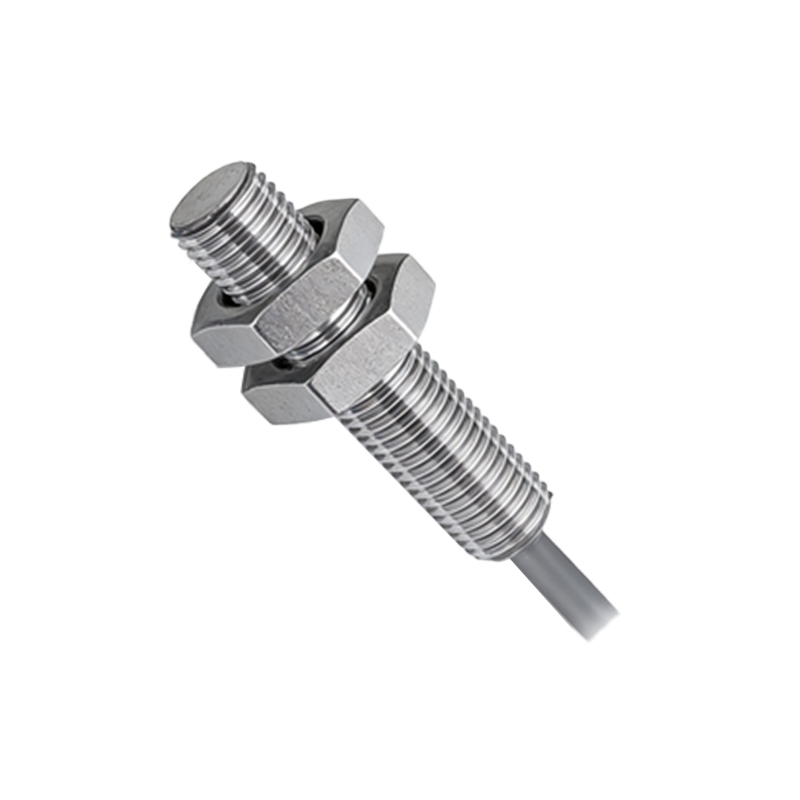
When choosing a high-stability photoelectric sensor, consider these factors: (1) detection distance and object size; (2) environmental conditions such as dust, moisture, or explosive gases; (3) response time, which is critical for high-speed lines; (4) output type (PNP, NPN, or IO-Link) for compatibility with PLCs; (5) mounting flexibility and cable length. For extreme stability, look for sensors with digital signal processing and automatic gain control. Always verify specifications against industry standards like IEC 60947-5-2.
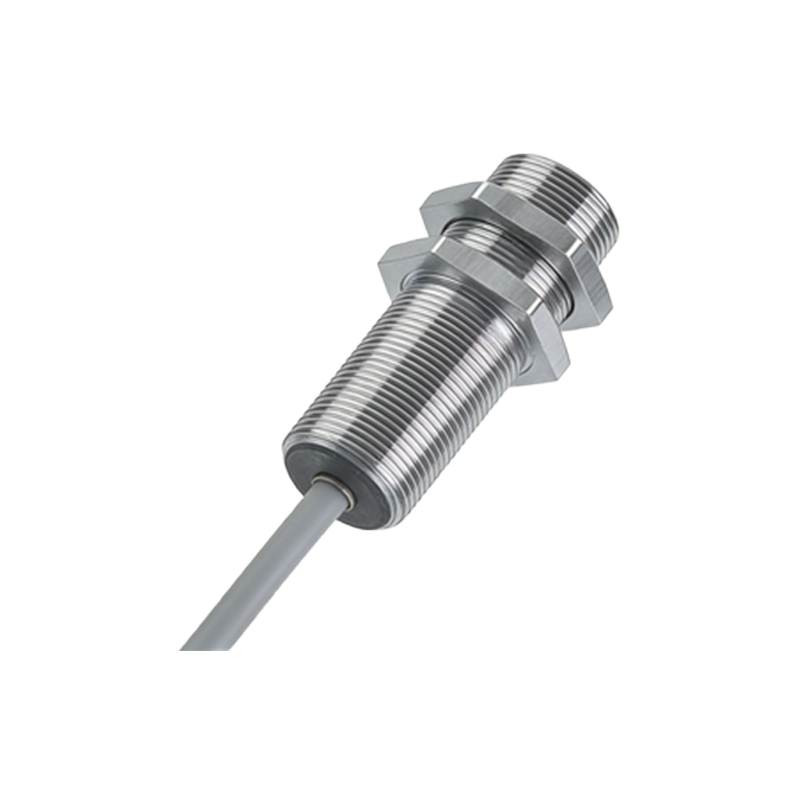
Installation and Maintenance Best Practices
To maximize stability, proper installation is crucial. Align the sensor axis perpendicular to the object's path to avoid false triggers. Use shielded cables and separate power lines from high-voltage equipment to reduce electromagnetic interference. Regular maintenance includes cleaning lenses with a soft cloth and checking for mechanical shift. Advanced sensors with LEDs or display units simplify diagnostics. For critical applications, consider redundant sensor setups or background suppression technology.
Conclusion and Future Trends
High-stability photoelectric sensors are indispensable for reliable automation. Future developments include integration with IoT for predictive maintenance, enhanced laser-based models for longer ranges, and smart sensors with adaptive algorithms. As industry 4.0 advances, these sensors will become even more intelligent, reducing downtime and improving efficiency. Engineers must stay updated on these trends to optimize their systems.