Introduction to Photoelectric Sensors in Calciners
In modern calcination processes, photoelectric sensors play a critical role in monitoring material flow and temperature distribution. These sensors, often combined with imaging technology, provide real-time data that optimize fuel efficiency and product quality. For electrical engineers, understanding the integration of photoelectric sensor images into control systems is essential for reducing downtime and improving safety in high-temperature environments.
Key Applications of Photoelectric Sensor Imaging
Photoelectric sensor imaging is widely used in calciner feed systems to detect blockages or uneven material distribution. By capturing high-resolution images of the calciner interior, these sensors enable precise adjustments to air-to-fuel ratios and material feed rates. This reduces energy waste and prevents hotspots, which can damage refractory linings. Engineers can also use the data to predict equipment wear and schedule maintenance proactively.
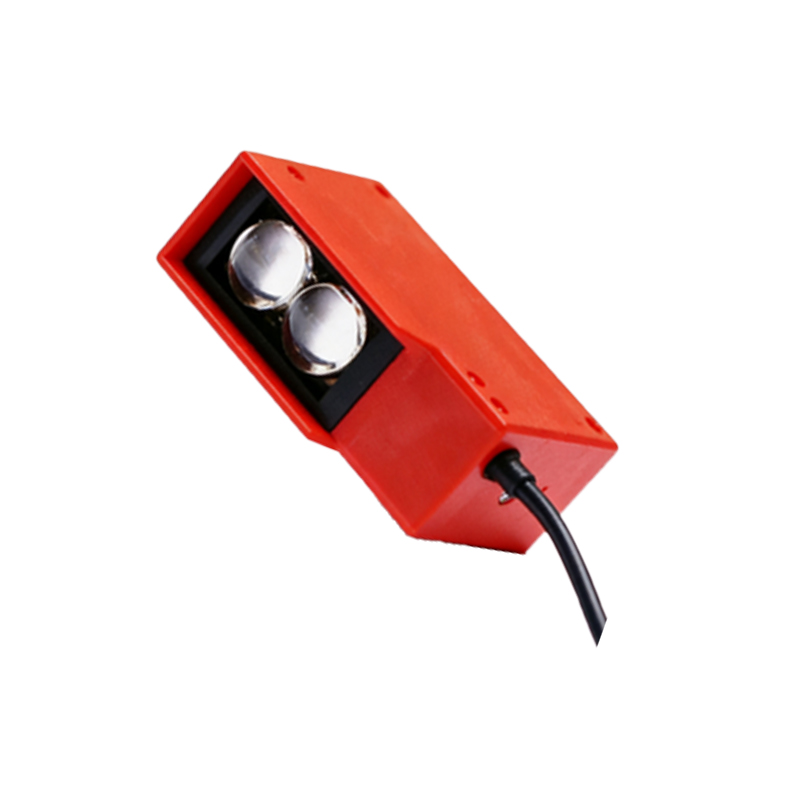
Technical Specifications for Industrial Deployment
When selecting photoelectric sensors for calciner imaging, consider wavelength range (typically 850-940nm for thermal resilience), response time (below 1ms for high-speed processes), and output interface (4-20mA or Modbus for PLC integration). Image resolution should exceed 2MP for accurate particle tracking, and the sensor housing must withstand ambient temperatures up to 200°C with forced-air cooling. Calibration routines should include dark current correction and lens cleaning protocols.
Integration with Existing Control Systems
Seamless integration requires a signal conditioning module that converts analog sensor outputs to digital data streams. Use industrial Ethernet protocols like PROFINET or EtherNet/IP for real-time image transmission. The image processing algorithm should apply edge detection filters to separate material boundaries from background noise. For legacy systems, a data gateway with OPC UA support can bridge sensor data to SCADA platforms.
Case Study: Improving Yield by 12% Through Imaging
A cement plant in Germany implemented photoelectric sensor imaging to monitor clinker formation in a rotary calciner. The system detected uneven particle distribution and adjusted the burner angle automatically, reducing fuel consumption by 8% and increasing product uniformity. After six months of operation, the plant reported 12% higher yield and 30% fewer unscheduled shutdowns, demonstrating the ROI of such technology.
Maintenance and Calibration Best Practices
To maintain accuracy, clean sensor lenses weekly with anhydrous alcohol to prevent dust accumulation. Perform a calibration check every 500 operating hours using a reference target with known reflectivity. Monitor sensor drift via trending software; if image contrast decreases by more than 15%, replace the emitter diode. Always store spare sensors in EMI-shielded containers to avoid static damage.
Future Trends in Sensor Imaging Technology
Emerging innovations include hyperspectral imaging for chemical composition analysis and AI-driven anomaly detection. These systems can classify material types and predict clogging events before they occur. For calciner engineers, investing in multi-spectral photoelectric arrays will enable real-time quality control without the need for lab sampling, reducing process delays.