Overview of the KI1306 Slot Type Photoelectric Sensor
The KI1306 is a high-performance slot type photoelectric sensor designed for precise object detection in industrial automation environments. As an essential component in manufacturing lines, this sensor operates on the principle of through-beam detection, utilizing an integrated emitter and receiver within a U-shaped housing. Its compact design, typically with a 6mm slot width, allows for reliable detection of small parts, labels, or transparent materials. The sensor is engineered to withstand harsh conditions, offering IP67 protection and resistance to ambient light interference, making it ideal for applications in packaging, electronics assembly, and material handling systems. With a response time of less than 1 millisecond, the KI1306 ensures high-speed accuracy, reducing false triggers and improving overall system efficiency.
Key Technical Specifications and Features
The KI1306 operates with a supply voltage range of 10 to 30 VDC, accommodating various industrial power systems. Its output is typically PNP or NPN, depending on the model, with a maximum load current of 100 mA. The sensor features a red LED indicator for alignment and status monitoring, simplifying installation and troubleshooting. The detection distance is fixed by the slot depth, often around 30 to 50 mm, ensuring consistent performance without calibration. Additionally, the sensor includes short-circuit and reverse polarity protection, enhancing durability. For environments with high vibration, the KI1306 is built with robust metal or reinforced plastic housing, ensuring long-term reliability.

Installation and Alignment Best Practices
Proper installation is critical for optimal sensor performance. Mount the KI1306 on a stable surface using the provided brackets or threaded holes, ensuring the slot is aligned with the target path. The emitter and receiver must be free of debris or scratches, as contamination can reduce sensitivity. For transparent or small objects, adjust the sensitivity potentiometer (if available) to fine-tune detection thresholds. Use shielded cables to minimize electrical noise, especially in close proximity to motors or inverters. After installation, verify alignment by passing a reference object through the slot and observing the LED indicator. Routine cleaning with a soft cloth and isopropyl alcohol will maintain signal integrity.
Common Applications in Industrial Automation
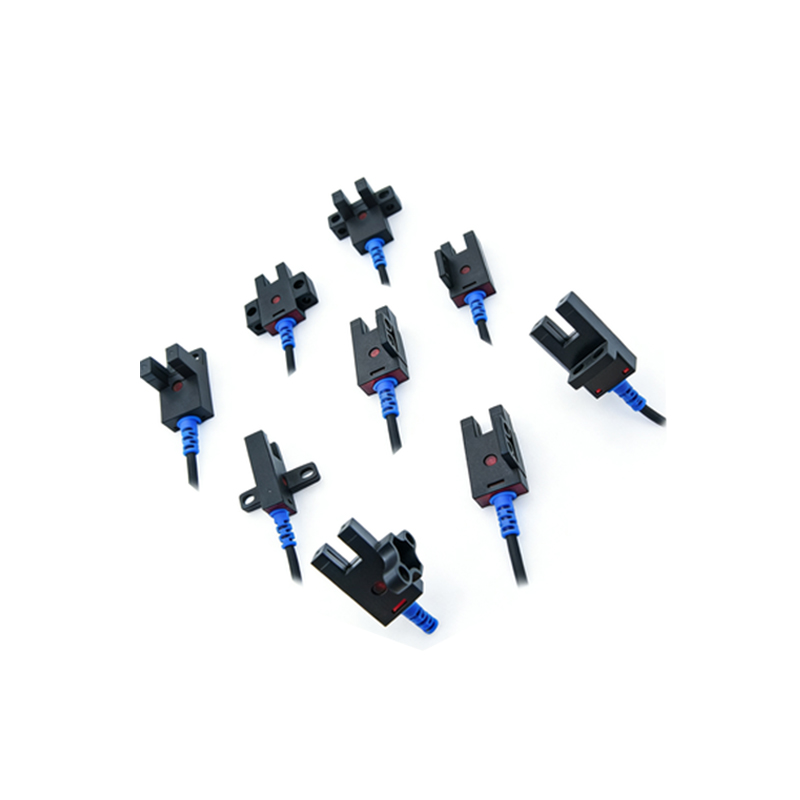
The KI1306 excels in applications requiring precise edge detection, such as labeling machines, where it verifies label presence or orientation. In printing presses, it monitors paper or film movement without contact. For robotics, the sensor detects end-effector positions or part feeding gaps. It is also widely used in conveyor systems to count products or detect jams. In cleanroom environments, the non-contact nature of the sensor prevents contamination. Furthermore, the KI1306 is suitable for detecting liquid levels in transparent tubing, thanks to its ability to sense changes in light transmission. These versatile applications highlight its role in enhancing productivity and quality control.
Troubleshooting and Maintenance Tips
Common issues include erratic output due to misalignment or ambient light interference. Ensure the sensor is not exposed to direct sunlight or high-intensity LEDs. If the LED indicator remains off, check power supply connections and voltage levels. For intermittent triggering, inspect the target material for transparency or reflectivity, and consider using a model with adjustable gain. Clean the slot windows regularly to prevent dust buildup, which can cause false readings. If the sensor fails to respond, test with a known working object to isolate the problem. Replacing the unit after 5-7 years of continuous operation is recommended to maintain accuracy.
Conclusion: Why Choose the KI1306 for Your System
The KI1306 slot type photoelectric sensor offers a cost-effective, reliable solution for demanding industrial tasks. Its robust design, fast response, and ease of integration make it a preferred choice among engineers. By understanding its specifications, installation methods, and maintenance requirements, you can maximize uptime and minimize downtime. Whether for new projects or retrofitting existing lines, the KI1306 delivers consistent performance, ensuring your automation systems operate at peak efficiency.