SEO关键词:photoelectric sensors, industrial automation, transparent object detection, through-beam sensor, retro-reflective sensor
Photoelectric sensors are non-contact devices that detect the presence, absence, or distance of objects using a beam of light. As an electrical engineer, I often encounter questions about their optimal application scenarios compared to inductive, capacitive, or ultrasonic sensors. These sensors excel in environments where physical contact is impractical or where target materials are non-metallic, transparent, or irregularly shaped. Understanding the core principles—emitter, receiver, and modulation—is critical for reliable performance in dusty, wet, or high-speed production lines.
Key Application: Detecting Transparent or Reflective Objects
One of the primary use cases is detecting transparent items like glass bottles, plastic films, or clear containers. Inductive sensors fail here, while capacitive sensors may struggle with distance. Photoelectric sensors, especially retro-reflective or through-beam types, offer stable detection regardless of transparency. For example, in a bottling plant, a polarized retro-reflective sensor can reliably spot clear PET bottles on a conveyor belt without false triggers from shiny surfaces. This is vital for filling, capping, and labeling processes.
Long-Range and High-Speed Detection Needs
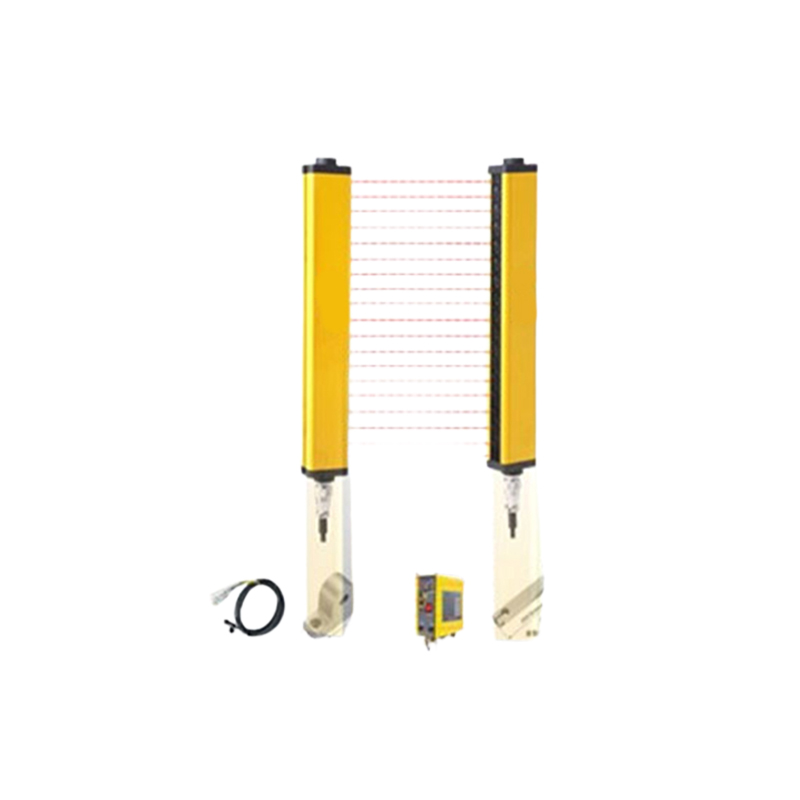
When you need detection distances beyond 1 meter or high-speed counting (e.g., 1000 parts per minute), photoelectric sensors are often the best choice. Through-beam sensors can achieve ranges up to 30 meters, ideal for warehouse door automation or vehicle presence detection. In high-speed packaging machines, their fast response time (microseconds) prevents missed triggers. However, ensure proper alignment and avoid obstructions like dust or fog, which can attenuate the beam.
Harsh Environments: Dust, Moisture, and Temperature Extremes
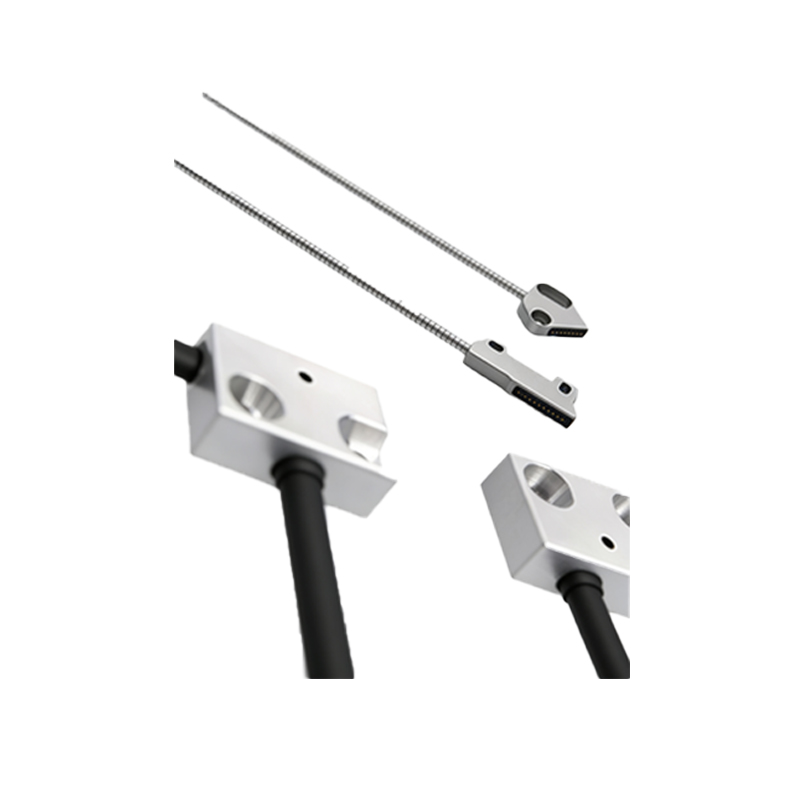
Modern photoelectric sensors with IP67 or IP69K ratings can withstand washdown processes, steam cleaning, and outdoor exposure. For instance, in a food processing plant with high humidity and corrosive chemicals, a diffuse sensor with a sealed housing and background suppression technology works reliably. Additionally, fiber-optic photoelectric sensors excel in high-temperature zones (up to 250°C) by separating the electronics from the sensing head. Always verify the sensor’s ambient light immunity and use modulated light to minimize interference from sunlight or artificial lighting.
Material Versatility: From Paper to Metal Foils
Unlike inductive sensors, which only detect metal, photoelectric sensors can handle nearly any material: paper, wood, plastics, ceramics, textiles, and even liquids (using specialized models). For example, in a printing press, a diffuse sensor with a small spot size detects paper jams or misaligned sheets. In a solar panel manufacturing line, a laser-based sensor ensures precise positioning of silicon wafers. The key is selecting the correct sensing mode—through-beam for opaque objects, retro-reflective for shiny ones, and diffuse for irregular surfaces.
When Not to Use Photoelectric Sensors
While versatile, photoelectric sensors have limitations. Avoid them in highly contaminated environments with heavy smoke, steam, or dust clouds that can scatter the light beam. Under such conditions, ultrasonic sensors might be more reliable. Also, for very small objects (below 0.5 mm), use laser-based photoelectric sensors or fiber-optic probes. For applications requiring sensing through metal walls, inductive sensors are better. Always consider cost: photoelectric sensors are generally more expensive than capacitive alternatives for simple presence detection.