Introduction to Waterproof Photoelectric Sensors
In modern industrial automation, reliable sensing in harsh environments is critical. Waterproof photoelectric sensors are designed to operate under high humidity, dust, and direct water exposure. These sensors utilize optical principles for non-contact detection, ensuring long service life and minimal maintenance. Their robust construction, typically rated IP67 or IP68, allows them to function in washdown processes, outdoor installations, and food processing lines.
Key Design Features and Materials
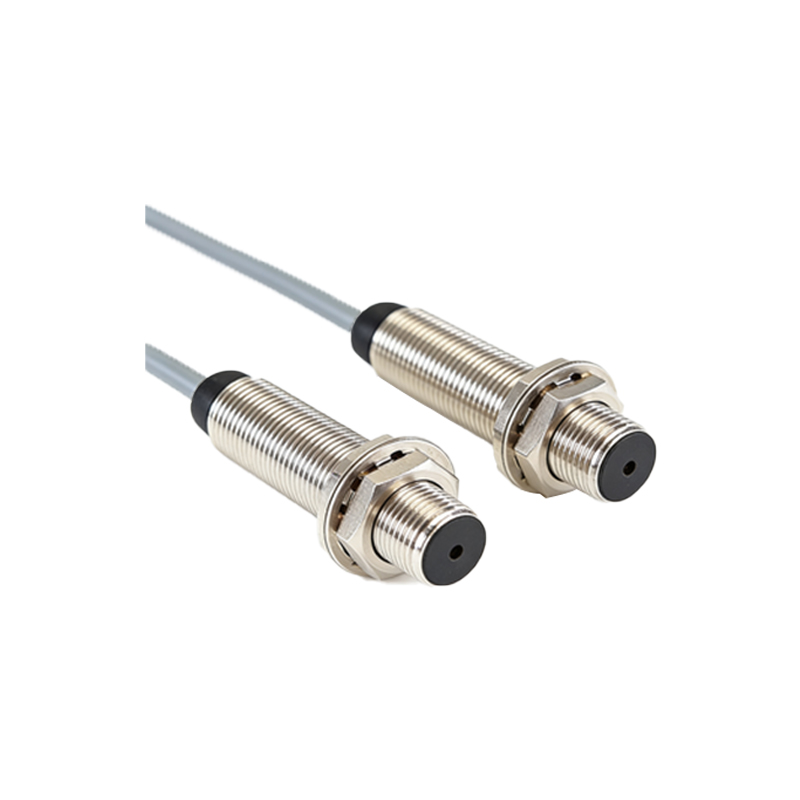
High-efficiency waterproof sensors employ sealed housings made of stainless steel or reinforced polycarbonate. The optical window is coated with anti-fog and scratch-resistant layers to maintain signal clarity. Advanced potting compounds protect internal electronics from moisture ingress. Additionally, these sensors feature integrated temperature compensation circuits to ensure stable performance across a wide range of -20°C to 80°C. The use of infrared or red laser diodes enhances detection accuracy even through steam or condensation.
Performance Metrics and Sensitivity
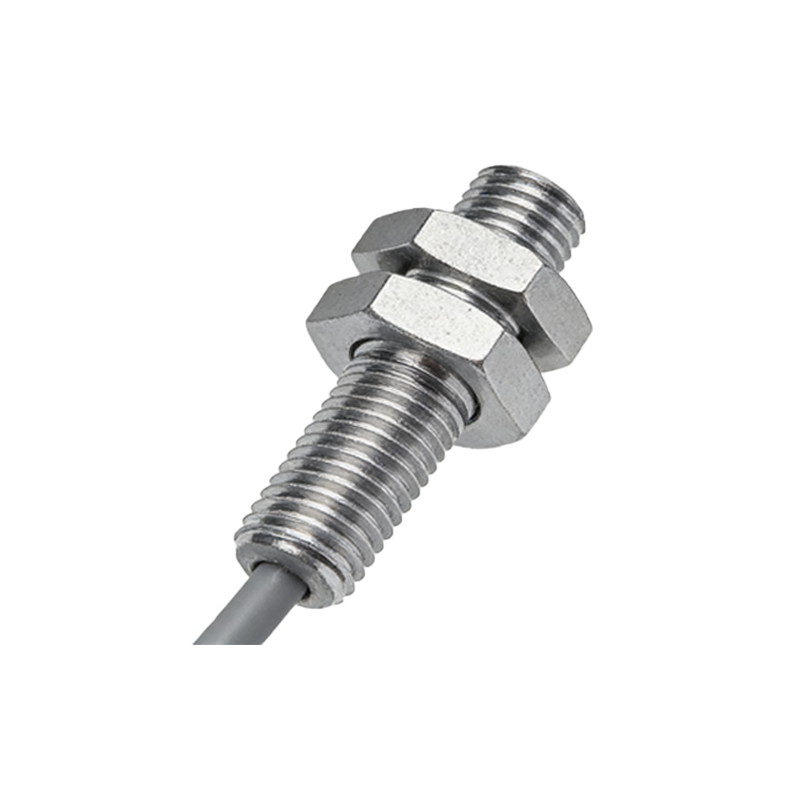
Detection range varies from 50 mm to 20 meters, depending on the model and target reflectivity. Response times as fast as 0.5 ms enable high-speed counting and positioning in conveyor systems. The sensors operate on 10-30 VDC with NPN/PNP output options, compatible with most PLCs. For challenging environments, background suppression models eliminate false triggers from shiny surfaces. The high signal-to-noise ratio ensures reliable operation in ambient light up to 10,000 lux.
Installation and Integration Tips
Proper mounting is essential for maximizing sensor life. Use adjustable brackets to align the emitter and receiver precisely. For washdown applications, orient the cable exit downward to prevent water pooling. Utilize pre-wired connectors with M12 or M8 couplings for quick replacement. When integrating with control systems, set the sensitivity threshold to account for lens contamination over time. Regular inspection of seals and O-rings is recommended to maintain IP rating.
Industry-Specific Applications
In automotive assembly lines, these sensors detect part presence through oil mist and coolant spray. Food and beverage plants use them for bottle counting and fill-level monitoring under high-pressure washdown. Outdoor logistics centers rely on them for vehicle detection in rain and snow. The sensors also excel in semiconductor manufacturing where cleanliness and moisture control are paramount. Their ability to operate reliably with frequent thermal cycles makes them ideal for sterilization processes.
Future Trends and Innovations
Emerging designs incorporate IO-Link communication for real-time diagnostics and remote parameter adjustment. Smart sensors now offer predictive maintenance alerts based on signal degradation. Miniaturization enables integration into compact robotic end-effectors. Hybrid models combining photoelectric and ultrasonic technologies provide redundancy in extreme conditions. As Industry 4.0 demands greater connectivity, waterproof sensors will evolve with cloud-compatible interfaces and self-cleaning optics.