Understanding the Indicator Light
In the field of industrial automation, photoelectric sensors are commonly used for object detection, counting, and positioning. A frequent misconception among maintenance engineers is that a glowing indicator light guarantees the sensor is functioning correctly. However, this assumption can lead to costly downtime. The indicator light typically shows only that the sensor is receiving power or that its internal circuitry is active. It does not confirm that the sensing element, such as the emitter or receiver, is performing accurately under real-world conditions.
Common Failure Modes with a Lit Indicator
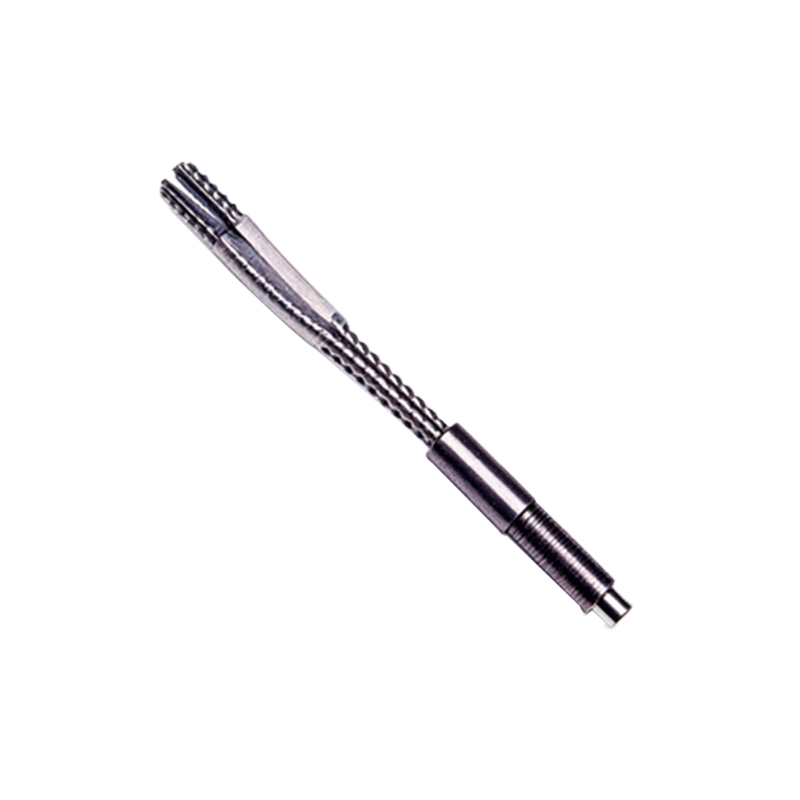
Even with a steady green or red LED, a photoelectric sensor may fail in several ways. For instance, the internal phototransistor or diode can degrade due to heat, dust, or moisture, leading to reduced sensitivity. This means the sensor may still detect objects, but at a shorter range or with inconsistent timing. Another common issue is misalignment caused by vibration or physical shock. The indicator light may remain on, but the actual light beam could be partially blocked or refracted, causing false signals or missed detections.
Environmental Factors Affecting Performance
Industrial environments pose unique challenges. A sensor’s lens can become covered with oil, dust, or condensation, which scatters the emitted light. The indicator light might still glow, but the return signal strength drops below the threshold for reliable detection. Similarly, ambient light interference—from welding arcs, sunlight, or nearby LEDs—can overwhelm the sensor’s receiver. In such cases, the sensor appears alive (LED on) but cannot distinguish between true targets and background noise.
Internal Electrical Faults
Another hidden issue is internal component degradation. Capacitors may dry out, resistors drift, or solder joints crack over time, especially in high-vibration or high-temperature zones. These faults can cause the sensor to operate intermittently or produce erratic output signals. The indicator light, driven by a separate low-power circuit, might remain stable while the main detection circuit fails. Therefore, relying solely on the LED can be deceptive.
Practical Troubleshooting Steps
To verify a sensor’s health beyond the indicator, perform a simple functional test. Use a known target object and measure the sensor’s output with a multimeter or oscilloscope. Check for consistent switching behavior under varying target distances and angles. Clean the lens and inspect for physical damage. If possible, swap the suspect sensor with a known good unit to compare performance. Always consult the manufacturer’s datasheet for expected response time and sensitivity range.
Conclusion: Don’t Trust the Light Alone
In summary, a lit indicator light on a photoelectric sensor is not a definitive sign of good health. Internal wear, contamination, misalignment, and electrical faults can all cause failure while the LED remains on. For reliable industrial automation, engineers must adopt a holistic approach—combining visual inspection, functional testing, and environmental assessment—to ensure sensor integrity. Remember, the light is just a clue, not the whole story.