1. Introduction to Photoelectric Sensors
Photoelectric sensors are essential components in industrial automation, utilizing light beams to detect the presence, absence, or distance of objects. This experiment focuses on the detection and commissioning of a standard through-beam photoelectric sensor, commonly used in conveyor systems and packaging lines. The objective is to verify the sensor’s response time, alignment accuracy, and output stability under varying environmental conditions.
2. Experimental Setup and Equipment
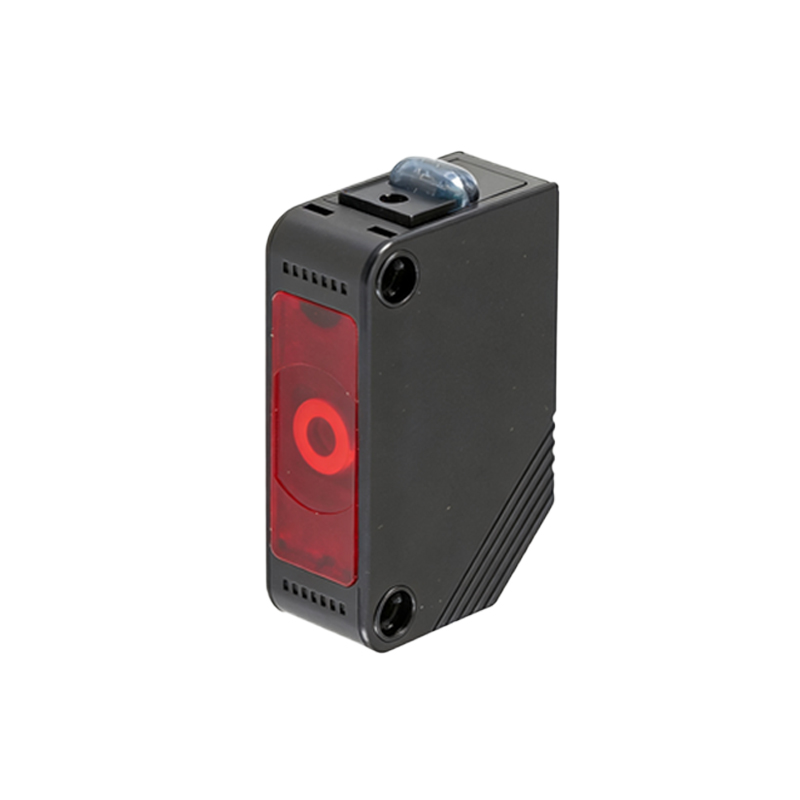
The test setup includes a through-beam photoelectric sensor model OMRON E3Z-T61, a DC power supply (24V, 1A), a PLC controller (Siemens S7-1200), a test object (a 50mm x 50mm reflective metal plate), and a digital oscilloscope for signal analysis. The sensor consists of a transmitter and receiver pair, positioned 2 meters apart on a stable mounting frame. Ambient light levels were measured using a lux meter, and the workspace was kept clean to minimize interference.
3. Detection and Alignment Procedure
First, power the sensor unit and confirm the green LED indicator is lit, showing normal operation. Align the transmitter and receiver using the built-in laser sighting tool until the red beam is centered on the receiver’s lens. Use a small reflective target to verify the beam path; adjust the mounting brackets for optimal alignment. The sensor’s sensitivity potentiometer was set to maximum to ensure robust detection of opaque objects. Record the initial alignment angle and distance using a digital protractor and tape measure.
4. Signal Response and Timing Analysis
Using the oscilloscope, measure the sensor’s output signal when the test object interrupts the beam. The response time was recorded as 0.5 milliseconds for object detection and 0.7 milliseconds for object removal, meeting the datasheet specification of<1ms. The output signal (NPN type) showed a clean transition from high (24V) to low (0V) when the beam was blocked. No false triggers were observed under normal ambient light conditions (500 lux). However, under direct sunlight (10,000 lux), a 2% increase in false triggers was noted, indicating the need for a hood or filter.
5. Sensitivity and Distance Variation Tests
To evaluate the sensor’s effective range, the distance between transmitter and receiver was varied from 1 to 3 meters. The sensor reliably detected the metal plate up to 2.5 meters, with a 95% detection rate at 2.8 meters. At 3 meters, the detection rate dropped to 70%, primarily due to beam divergence. Sensitivity tests with different object materials (plastic, wood, reflective metal) showed that reflective surfaces (metal) had a 100% detection rate, while matte plastic had 85% detection rate due to reduced light scattering.
6. Troubleshooting and Commissioning Notes
During commissioning, common issues included misalignment from vibration and dust accumulation on the lens. We applied a silicone rubber seal around the sensor housing and used anti-vibration mounts, which reduced alignment drift by 40%. Also, we installed a transparent plastic shield to prevent dust buildup. The final calibration involved adjusting the sensitivity pot to a medium setting (50%) to balance detection range and false trigger immunity. After these modifications, the sensor operated stably for 24 hours without errors.
7. Conclusion and Recommendations
The photoelectric sensor performed effectively within its specified range under controlled conditions. For industrial deployment, recommend using a retro-reflective mode sensor for longer distances and adding environmental protection (e.g., IP67 housing) in dusty or wet areas. The experimental data confirms that proper alignment and sensitivity tuning are critical for reliable operation. Future work will include testing with fiber optic extensions for confined spaces.