Basic Principles of Photoelectric Sensing
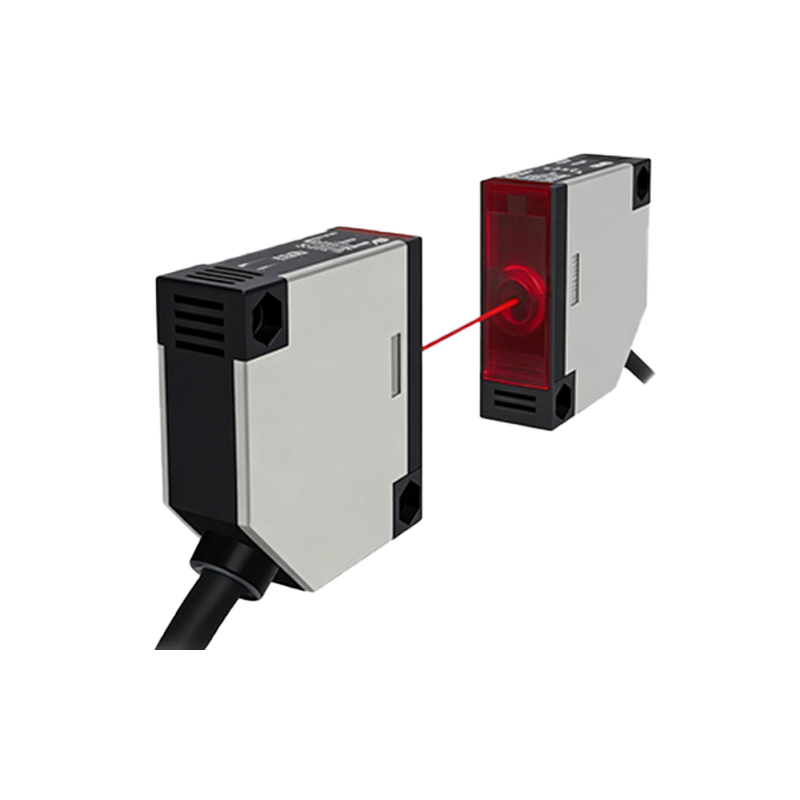
Photoelectric sensors detect the presence or absence of objects by using a light source and a receiver. When an object interrupts or reflects a beam of light, the sensor generates an electrical signal. For counting people, the most common method is through a through-beam or retro-reflective setup. In through-beam, a transmitter and receiver are placed opposite each other across a doorway or walkway. As a person passes through the light beam, the signal is broken, incrementing a counter.
Through-Beam Sensors for High Reliability
Through-beam photoelectric sensors are ideal for counting people due to their high reliability. They consist of a separate emitter and receiver. When a person crosses the path, the beam is blocked, creating a clear on/off signal. This method minimizes false triggers from ambient light or dust, making it suitable for industrial environments like factory gates or warehouse entrances. The detection range can extend up to several meters, allowing for installation in wide doorways.
Retro-Reflective Sensors for Easy Installation
Retro-reflective sensors combine the emitter and receiver in one housing and use a reflector. When a person passes between the sensor and reflector, the beam is disrupted. This design simplifies wiring and alignment compared to through-beam sensors, as only one unit needs to be mounted. However, they are more prone to false counts from shiny surfaces or moving objects behind the reflector. For indoor counting in offices or retail spaces, retro-reflective sensors offer a cost-effective solution.
Diffuse Sensors for Compact Spaces
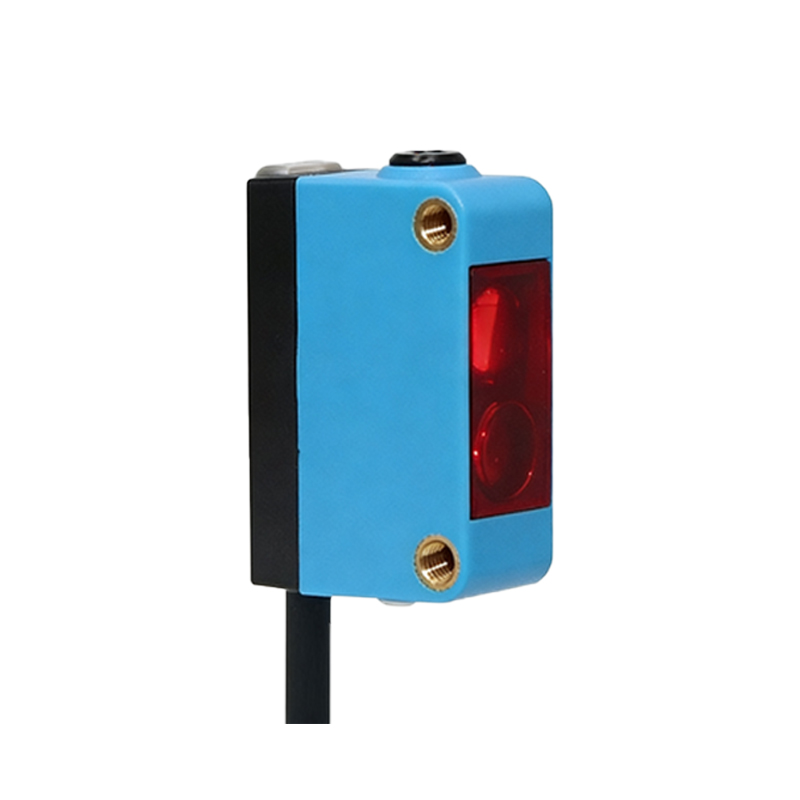
Diffuse photoelectric sensors detect objects by measuring the light reflected from the target itself. The emitter and receiver are in the same housing, and the sensor triggers when a person reflects enough light back. This method is compact and requires no separate reflector or receiver, making it ideal for narrow doorways or turnstiles. However, it may have a shorter range and can be affected by the person's clothing color or material. Calibration is crucial to avoid overcounting when multiple people pass close together.
Directional Counting with Dual Sensors
To count people entering or exiting, two photoelectric sensors can be installed in sequence. For example, placing sensors A and B along a path. If sensor A triggers first, then B, it indicates entry. If B triggers first, then A, it indicates exit. This logic requires a controller to process the sequence and avoid double-counting when a person pauses. In industrial settings, this method is often used with a microcontroller for accurate bidirectional counting.
Integration with Industrial Control Systems
Photoelectric sensors are typically connected to programmable logic controllers (PLCs) or stand-alone counters. The sensor outputs a pulse for each detection, which the PLC interprets as an increment or decrement. For high-traffic areas, sensors with fast response times (e.g., 1 ms) are recommended to avoid missing counts. Additionally, sensors with background suppression technology can ignore stationary objects, ensuring only moving people are counted.
Practical Considerations for Installation
Mounting height and angle are critical for accurate counting. Sensors should be placed at a height where the beam crosses the typical human torso (e.g., 0.9 to 1.2 meters) to avoid counting pets or carts. In outdoor environments, protective housings and heating elements prevent condensation or ice buildup. Regular maintenance, such as cleaning the lens and checking alignment, ensures long-term reliability in dusty or humid industrial settings.