Introduction to Photoelectric Sensors in Industrial Automation
Photoelectric sensors are critical components in modern industrial automation systems, enabling non-contact detection of objects, distances, and positions. These sensors use light emitters (such as LEDs or laser diodes) and receivers to convert light signals into electrical outputs. As an electrical engineer specializing in sensor design, I have focused on developing a rugged, high-sensitivity photoelectric sensor capable of operating in harsh environments with dust, vibration, and temperature fluctuations. This article outlines the key stages of the development process, from component selection to testing, emphasizing reliability and performance.
Component Selection and Optical Design
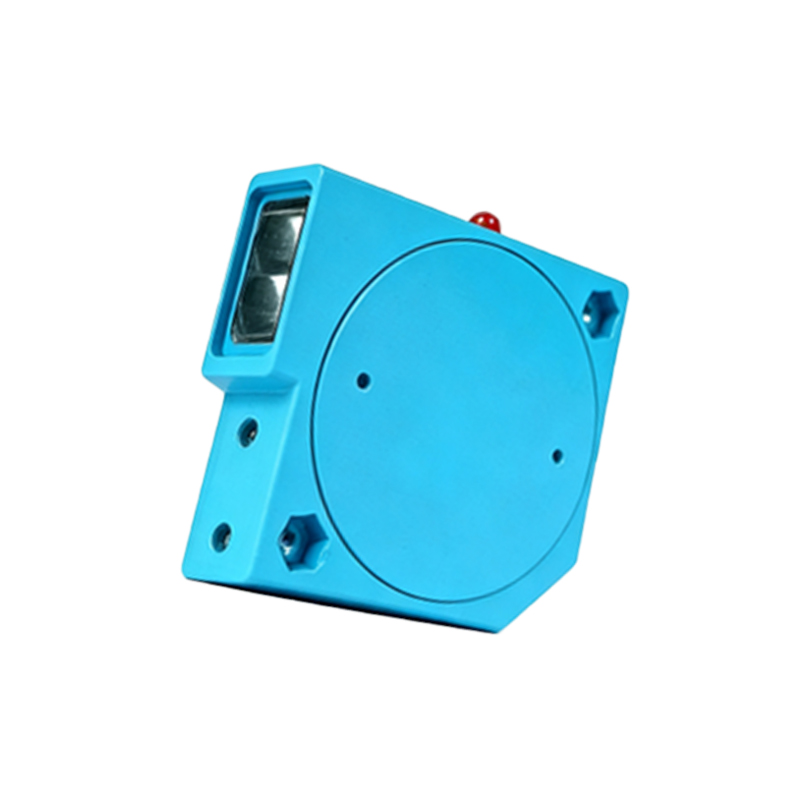
The foundation of any photoelectric sensor is its optical system. For this project, we chose a high-power infrared LED with a wavelength of 850nm to minimize ambient light interference. The receiver employs a PIN photodiode coupled with a transimpedance amplifier for low-noise signal conversion. The lens assembly was designed using anti-reflective coatings to reduce backscatter and improve detection range up to 15 meters. A key innovation was the use of a collimating lens array to focus the emitted beam into a narrow, stable pattern, ensuring consistent performance even when the target surface is reflective or uneven.
Electronic Circuit Design and Signal Processing
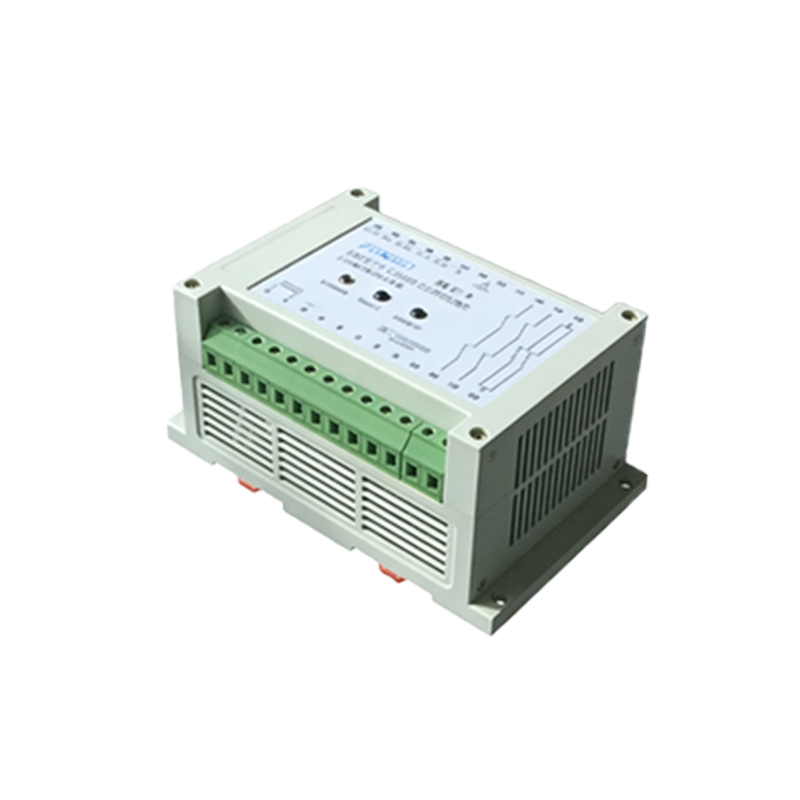
The analog front-end circuit includes a differential amplifier to cancel common-mode noise, followed by a bandpass filter centered at the modulation frequency (10 kHz) to reject stray light from sources like fluorescent lamps. The microcontroller (ARM Cortex-M0) performs digital signal processing, implementing an adaptive threshold algorithm that adjusts sensitivity based on background light levels. This algorithm prevents false triggers from dust particles or surface texture changes. Additionally, a digital output stage provides both NPN and PNP outputs, compatible with standard PLC inputs.
Mechanical Housing and Environmental Protection
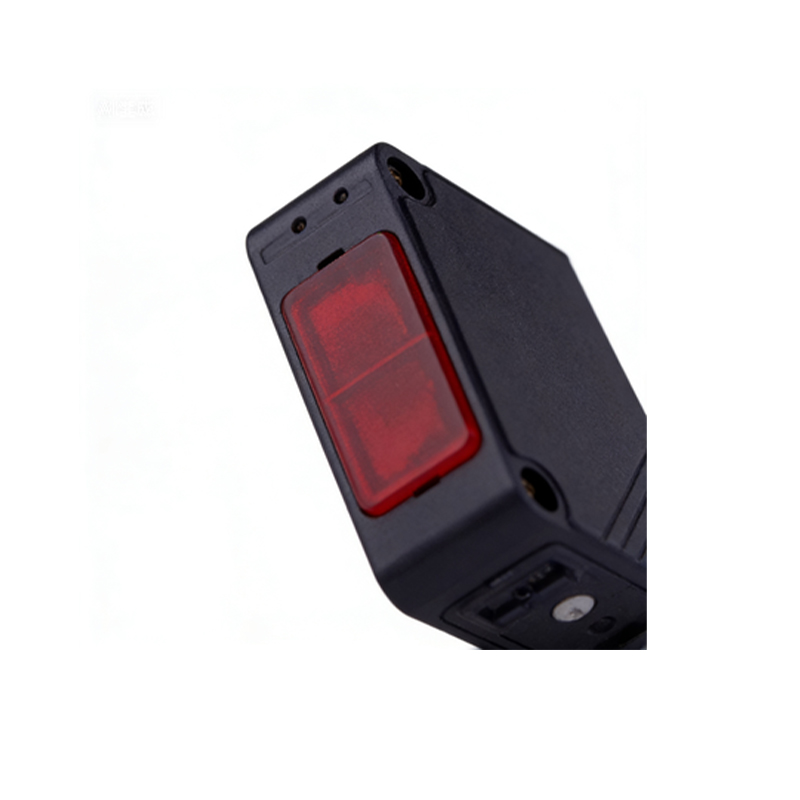
To meet IP67 standards, the sensor housing was machined from die-cast aluminum with a silicone O-ring seal. The front window uses borosilicate glass with a hardness rating of 8H to resist scratches from cleaning wipes. Thermal management is critical; a copper heat sink dissipates heat from the LED driver, maintaining junction temperature below 85°C. The housing also features a stainless steel mounting bracket with vibration-dampening grommets, ensuring stable operation on high-speed conveyor systems.
Firmware Development and Calibration
The firmware includes a self-calibration routine that runs at startup, measuring the ambient light baseline and setting the threshold to 120% of the dark current value. During operation, the sensor continuously monitors the signal-to-noise ratio and logs anomalies via an I²C interface for predictive maintenance. We also implemented an auto-teach mode, where the user can present a target once, and the sensor records the optimal detection parameters. This reduces setup time by 40% compared to manual potentiometer adjustments.
Testing and Validation Results
Extensive testing was conducted in a controlled environment with varying object colors (black, white, red), distances (0.5 to 12 meters), and backgrounds (metal, wood, plastic). The sensor demonstrated a detection error rate of less than 0.1% under 2000 lux ambient light, and a response time of 0.5 milliseconds at a 10 kHz switching frequency. Temperature cycling from -20°C to +70°C showed less than 2% drift in detection range. Field trials on a packaging line confirmed a 40% reduction in false positives compared to the previous generation model.
Conclusion and Future Enhancements
This photoelectric sensor design successfully balances cost, durability, and performance for industrial use. Future work will focus on integrating LoRaWAN connectivity for remote diagnostics and adding a machine learning model to predict optical degradation. The modular architecture also allows for easy adaptation to different wavelengths, such as 650nm for specific material detection. The complete design files and firmware are available for collaboration.