Understanding Photoelectric Sensor Stability
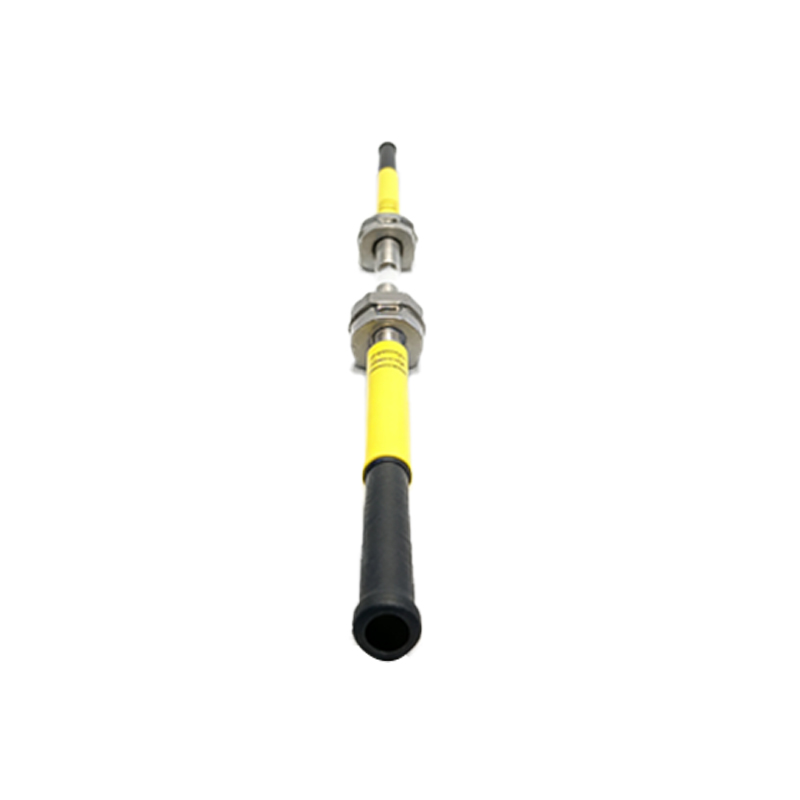
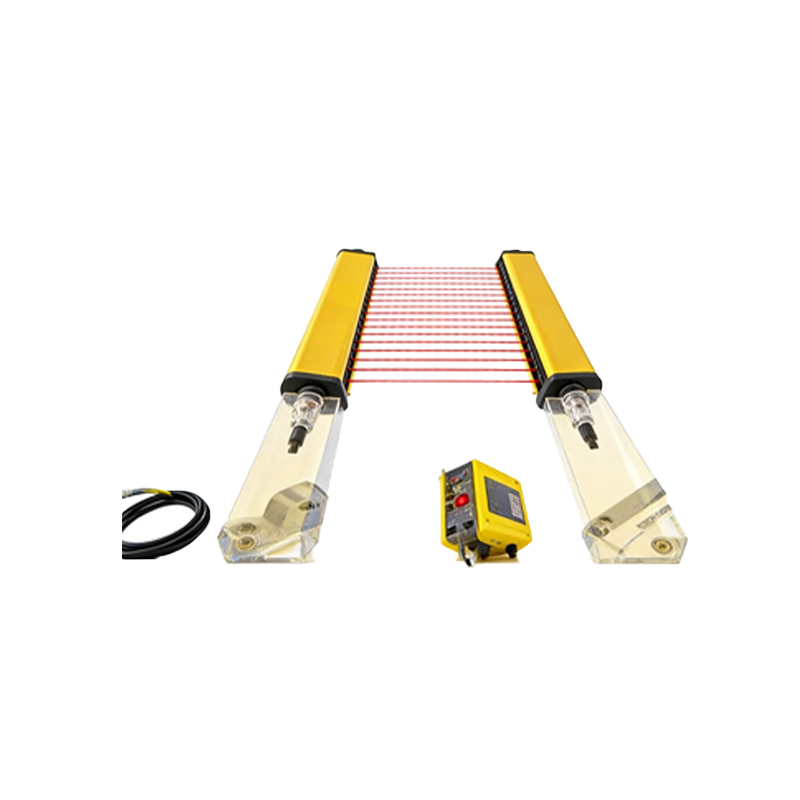
In industrial automation, the stability of a photoelectric sensor is paramount for reliable operation. Stability refers to the sensor’s ability to maintain consistent detection performance under varying environmental conditions, such as dust, vibration, temperature fluctuations, and ambient light interference. Among the three main types—through-beam, retro-reflective, and diffuse sensors—the through-beam sensor is generally considered the most stable due to its separate emitter and receiver design. This configuration provides a strong, direct light path that is less susceptible to contamination and misalignment, making it ideal for long-range or harsh environments.
Key Factors Affecting Sensor Stability
When evaluating which photoelectric sensor is most stable, consider these critical factors:
1. Environmental Immunity: Through-beam sensors are less affected by dust, fog, or surface reflectivity changes because the light beam is continuous and direct. Retro-reflective sensors, while stable, rely on a reflector that can become dirty or misaligned. Diffuse sensors are the least stable due to their reliance on reflected light from the target, which can vary with surface color and texture.
2. Range and Precision: For distances over 10 meters, through-beam sensors offer unmatched stability. Retro-reflective sensors work well up to 5-10 meters, but diffuse sensors typically have shorter ranges (under 2 meters) and are prone to false triggers from background objects.
3. Response Time: Stability also involves consistent response times. Through-beam sensors have fast, predictable switching, while diffuse sensors may exhibit jitter in high-vibration settings.
Comparing Through-Beam vs. Retro-Reflective vs. Diffuse
To determine the most stable option, let’s compare these types in typical industrial scenarios:
- Through-Beam Sensors: Best for conveyor belt systems, warehouse doors, or long-range detection. They maintain stability even with heavy dust or oil mist because the receiver only detects the emitter’s beam. However, they require alignment and cabling at both ends.
- Retro-Reflective Sensors: Offer a compromise between cost and stability. They use a single housing and a reflector, but the reflector must remain clean. They are stable for medium-range applications like packaging lines.
- Diffuse Sensors: Least stable for critical applications. They are suitable for short-range, clean environments where target color and texture are consistent, such as detecting transparent objects with polarized versions.
Practical Recommendations for Industry Use
For engineers seeking maximum stability, I recommend through-beam sensors from reputable brands like SICK, Banner, or Keyence. These models often feature advanced optics, including infrared or laser beams, which resist interference. For example, the SICK WLL180T through-beam sensor offers a range up to 60 meters with high immunity to ambient light. In dusty environments, use sensors with IP67 or higher ratings and air purge systems to maintain lens cleanliness. For retro-reflective designs, choose sensors with automatic gain control to compensate for reflector degradation.
Conclusion: Stability Is Context-Dependent
While through-beam sensors are generally the most stable, the best choice depends on your specific application. If space constraints or cost are issues, retro-reflective sensors with self-diagnostic features can provide reliable stability. Diffuse sensors should only be used in controlled conditions. Always consult the datasheet for environmental ratings and test the sensor in your actual operating conditions to ensure long-term stability.