Introduction to Metal Surface Photoelectric Sensors
In modern industrial automation, photoelectric sensors play a critical role in detecting objects, positions, and distances without physical contact. Among various types, metal surface photoelectric sensors are specifically engineered to handle challenging environments where metal objects with highly reflective or glossy finishes are present. These sensors utilize advanced optics and signal processing to minimize false triggers caused by glare, ensuring reliable detection in manufacturing lines, packaging systems, and robotic assembly. As an electrical engineer specializing in sensor integration, I have seen firsthand how these devices enhance operational efficiency by reducing downtime and maintenance costs.
Key Features and Technical Specifications
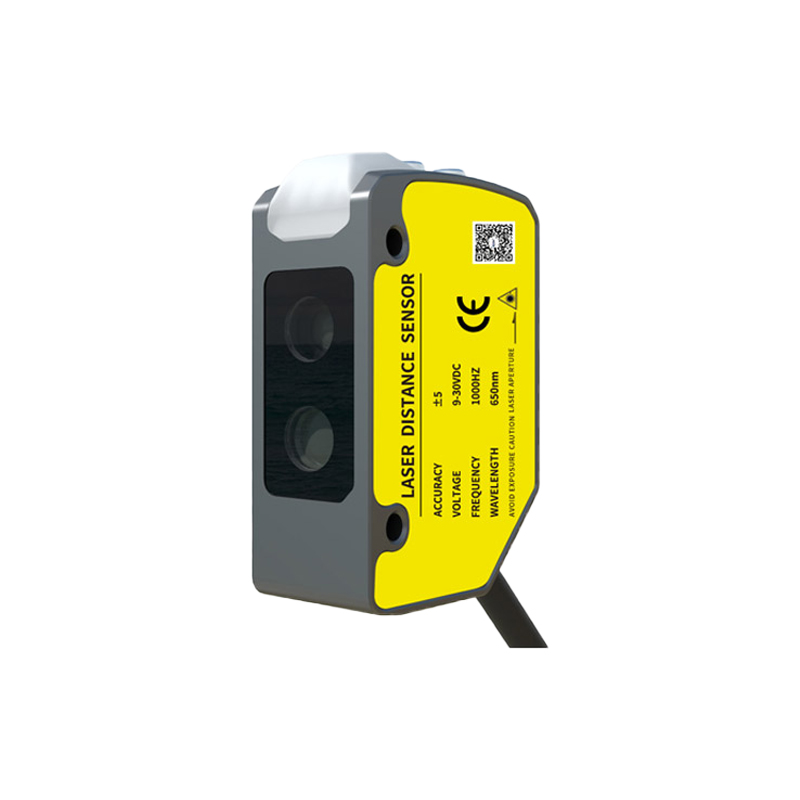
Metal surface photoelectric sensors are designed with specialized coatings and lens configurations to mitigate the effects of specular reflection. They typically operate in the visible red or infrared spectrum, with sensing distances ranging from 50 mm to 10 meters, depending on the model. Key specifications include IP67 or higher ingress protection for harsh industrial environments, response times as low as 1 ms, and output options such as NPN, PNP, or analog signals. Many models also incorporate background suppression technology, which ignores objects beyond a set threshold, making them ideal for detecting shiny metal parts on conveyor belts.
Application Scenarios in Industrial Settings
Common applications include detecting polished aluminum components in automotive assembly, monitoring stainless steel sheets in metalworking, and sensing chrome-plated parts in packaging lines. For instance, in a high-speed bottling plant, metal surface sensors can accurately detect aluminum caps on glass bottles, even under intense ambient lighting. They are also widely used in robotics for end-of-arm tooling, where precise proximity feedback is required for gripping or placing metal items. In warehouse automation, these sensors help identify metal pallets and containers, enabling efficient sorting and tracking.
Installation and Calibration Best Practices
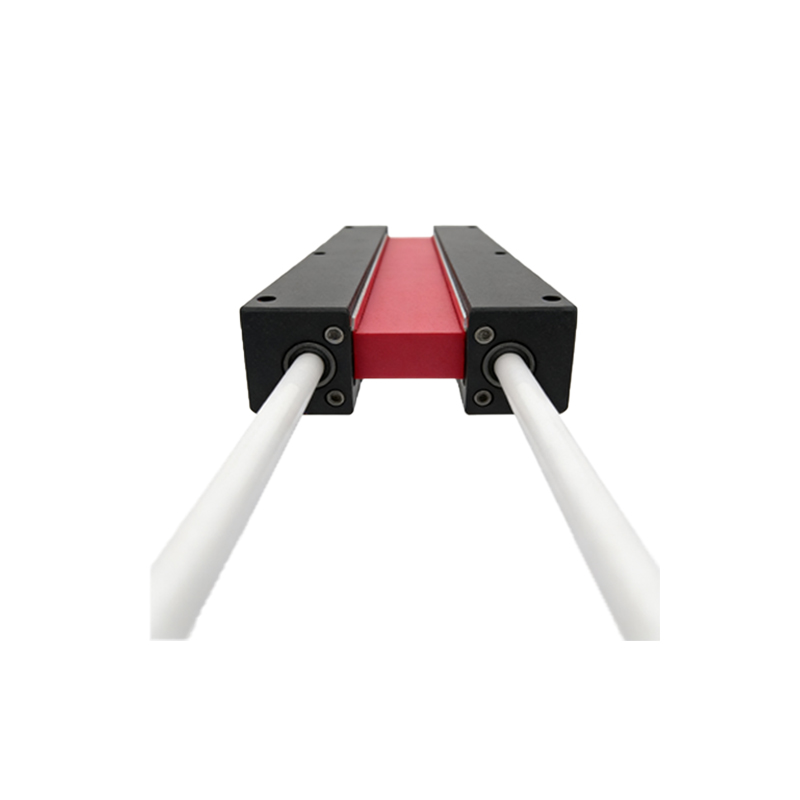
Proper installation is crucial for optimal performance. Mount the sensor perpendicular to the target surface to minimize angular reflections, and maintain a clean optical window to prevent dust or oil buildup. Calibration involves adjusting the sensitivity potentiometer while observing the output LED, ensuring stable detection for the specific metal finish. For reflective metals, use a polarizing filter or retro-reflective mode to avoid false readings. Always test the sensor under actual production conditions, including different lighting levels and conveyor speeds, to validate reliability.
Troubleshooting Common Issues
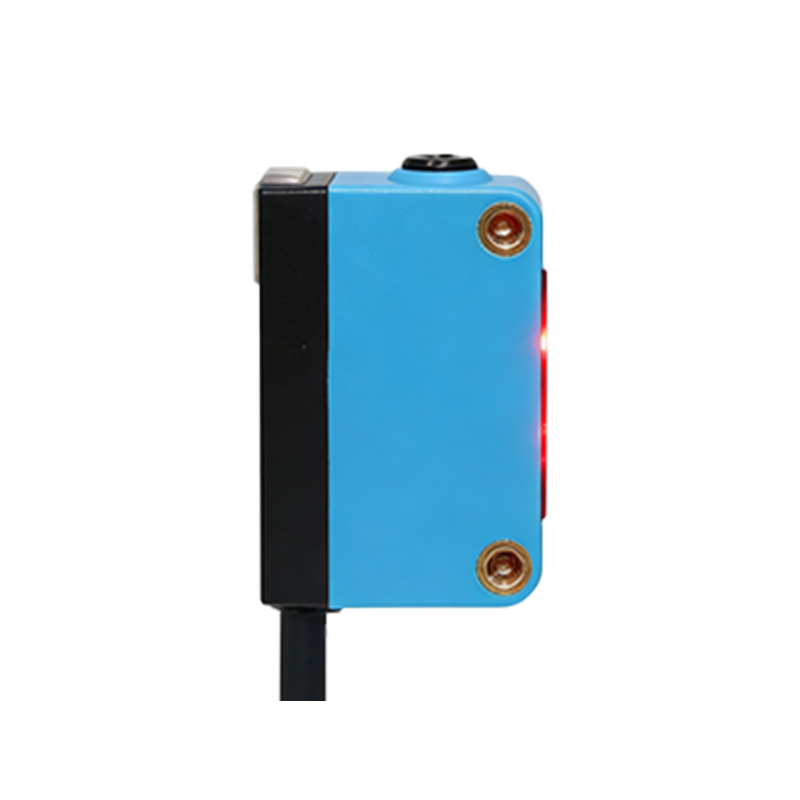
If the sensor fails to detect shiny metal objects, first check for excessive glare by adjusting the sensing angle or adding a diffuser. Electrical noise from nearby motors or VFDs can cause intermittent signals; use shielded cables and ferrite cores to suppress interference. Moisture ingress may degrade performance—ensure the housing is sealed and the cable gland is tight. For persistent false triggers, consider upgrading to a sensor with adjustable background suppression or a laser-based model for pinpoint accuracy.
Future Trends and Innovations
Emerging technologies include IO-Link communication for real-time diagnostics and remote configuration, as well as smart sensors with embedded AI to adapt to varying surface conditions. Manufacturers are also developing smaller, more energy-efficient metal surface sensors for compact automation systems. As Industry 4.0 evolves, these sensors will integrate seamlessly with cloud-based platforms, enabling predictive maintenance and data-driven optimization.
Conclusion
Metal surface photoelectric sensors are indispensable tools for achieving precision and reliability in industrial automation, particularly when dealing with reflective metallic components. By understanding their features, applications, and maintenance requirements, engineers can significantly improve production efficiency and product quality. Investing in the right sensor technology today will pave the way for smarter, more resilient manufacturing systems tomorrow.