The Nature of Stray Light and Its Sources in Industrial Environments
Stray light refers to unwanted optical radiation that reaches the detector of a laser photoelectric sensor, interfering with the intended signal. In industrial settings, common sources include reflections from shiny surfaces, ambient lighting, sunlight through windows, and scattered light from dust or fog. For laser sensors operating at specific wavelengths, stray light can cause false triggers, reduced sensitivity, or complete signal loss. Engineers must identify these sources during system design to ensure reliable performance.
Mechanisms of Interference: How Stray Light Affects Sensor Accuracy
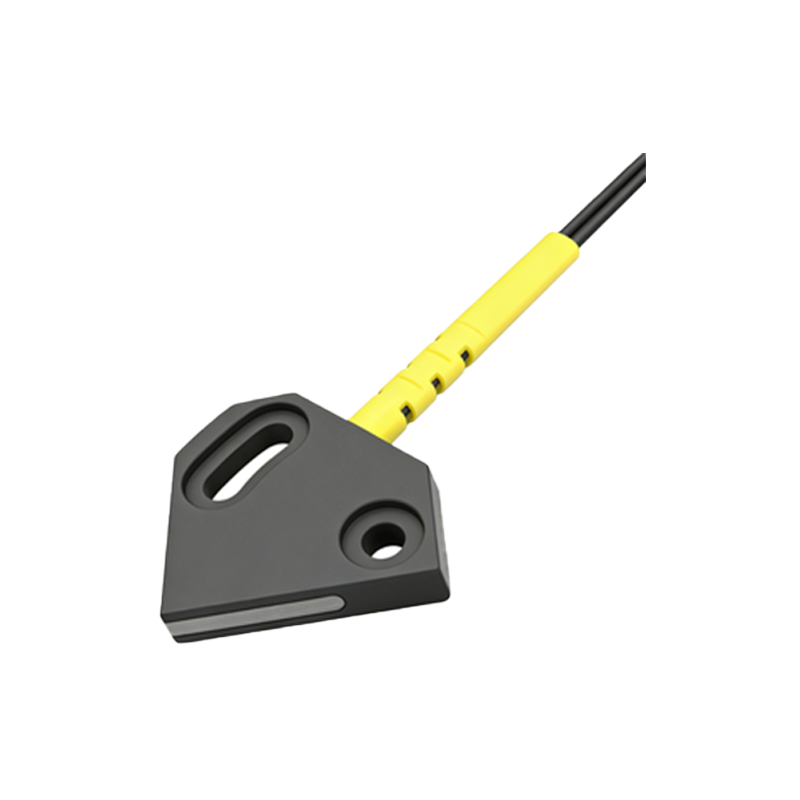
Laser photoelectric sensors rely on a focused beam to detect objects. When stray light enters the receiver, it adds noise to the photodetector’s output. This can reduce the signal-to-noise ratio (SNR), making it difficult to distinguish the target. In extreme cases, stray light may saturate the detector, leading to erroneous readings. For example, in conveyor belt systems, reflective packaging can create false positives, while high-intensity arc welding can overwhelm the sensor. Understanding these mechanisms helps in selecting appropriate filters and shielding.
Practical Solutions to Mitigate Stray Light Effects
Engineers can employ several strategies to minimize stray light impact. First, use optical bandpass filters matched to the laser’s wavelength to block ambient light. Second, install physical shields or hoods around the sensor to block direct light sources. Third, adjust sensor mounting angles to avoid reflective surfaces. Fourth, choose sensors with dynamic background suppression (BGS) or time-of-flight (TOF) technology, which are less susceptible to stray light. Regular cleaning of lenses and windows is also critical to prevent scattering.
Case Study: Stray Light in Automotive Assembly Lines
In a high-speed automotive assembly line, laser sensors used for part presence detection were frequently triggered by stray light from nearby welding operations. The issue caused production delays and false alarms. The solution involved retrofitting sensors with narrow-band optical filters and adding adjustable apertures to limit the field of view. Additionally, the sensor housing was coated with anti-reflective material. Post-implementation, false trigger rates dropped by 95%, demonstrating the effectiveness of targeted interventions.
Best Practices for Sensor Selection and System Design
When designing systems prone to stray light, consider laser sensors with higher immunity ratings, such as those using modulated light or pulsed lasers. Ensure the sensor’s response time aligns with the process speed to avoid integration of noise. Conduct field tests under worst-case lighting conditions, and document thresholds for ambient light levels. Collaborate with suppliers to review datasheets for stray light rejection specifications. Finally, incorporate redundancy in critical applications, using dual sensors or cross-checking with other technologies.
Future Trends: Adaptive Optics and AI in Stray Light Management
Emerging technologies offer new ways to combat stray light. Adaptive optics can dynamically adjust sensor focus to filter out noise. Machine learning algorithms can analyze signal patterns to differentiate between target reflections and stray light events. For example, AI-enabled sensors can learn to ignore periodic interference from rotating machinery. As Industry 4.0 advances, these intelligent systems will become standard, reducing the need for manual tuning and increasing reliability in harsh environments.