Introduction to Photoelectric Sensor Coding
Photoelectric sensors are critical components in industrial automation, and Guangming (Yangming) sensors are widely used for their reliability and precision. Proper coding is essential for configuration, signal processing, and integration into control systems. This article provides a technical overview of coding methodologies, focusing on standard protocols, troubleshooting, and practical implementation.
Key Coding Standards and Protocols
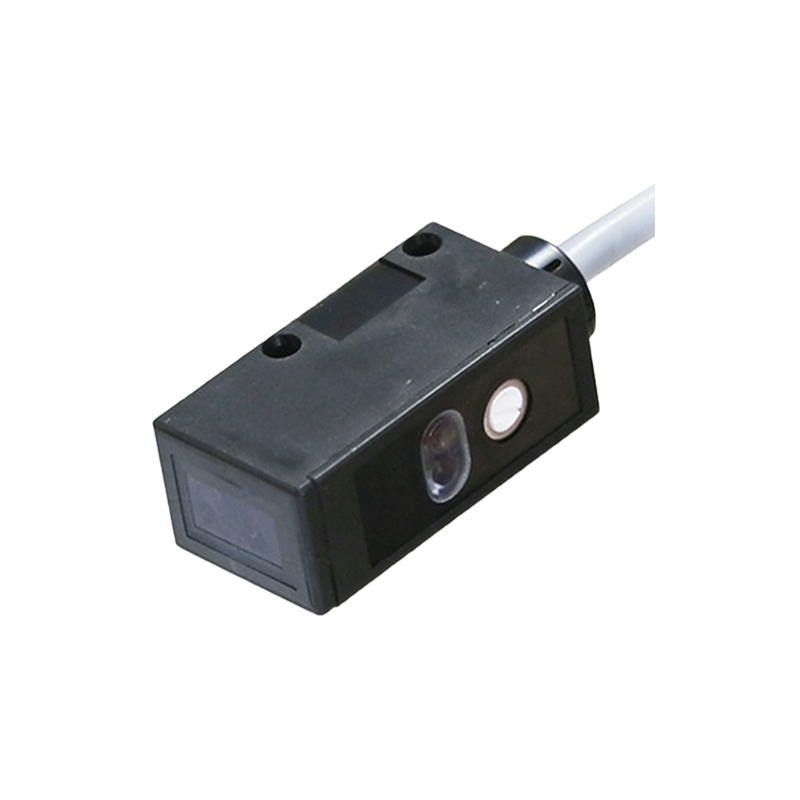
Guangming photoelectric sensors typically support common industrial communication protocols such as IO-Link, PNP/NPN output coding, and analog signal mapping. Engineers must verify the sensor’s datasheet to identify the correct coding scheme. For example, IO-Link enables bidirectional data exchange, requiring specific byte allocation for status, measurement, and parameter data. Ensure that the coding adheres to IEC 61131-3 for PLC integration.
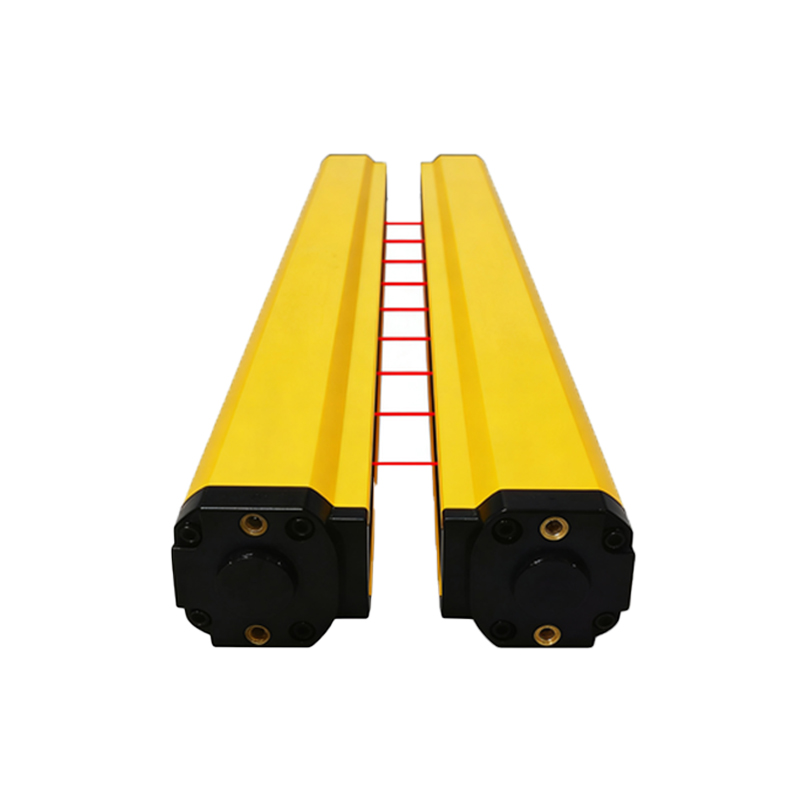
Practical Steps for Sensor Configuration
Begin by identifying the sensor model and its output type (e.g., digital or analog). Use the manufacturer’s software or a handheld terminal to access the sensor’s menu. For digital sensors, assign binary codes to detect object presence or absence. For analog sensors, calibrate the output range (e.g., 4-20 mA) to represent distance or intensity. Document the coding parameters for future maintenance.
Common Coding Challenges and Solutions
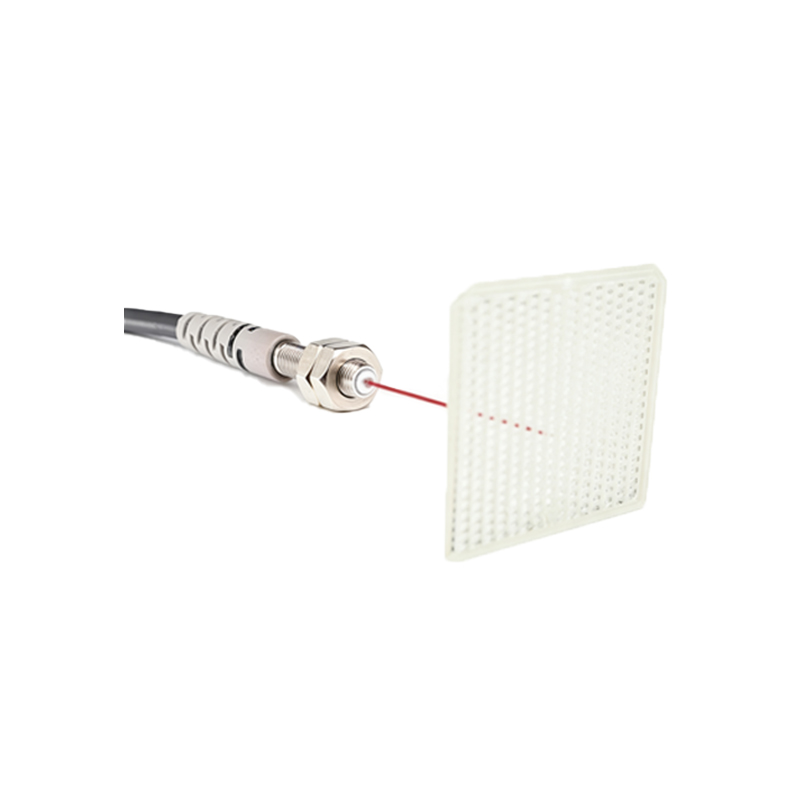
A frequent issue is mismatched coding between the sensor and controller, leading to false triggers. Always check the baud rate and data format (e.g., 8N1 for serial communication). Another challenge is noise interference; use shielded cables and proper grounding to maintain signal integrity. If errors persist, verify the sensor’s firmware version and update if necessary.
Best Practices for Maintenance and Debugging
Implement a systematic approach to test sensor coding: use a multimeter to check output signals, review log files for error codes, and simulate operating conditions. Keep a backup of the coding configuration on a secure server. Regularly inspect connectors and wiring for wear, as degraded connections can alter signal coding.
Future Trends in Sensor Coding
The industry is moving towards smart sensors with standardized coding via OPC UA and Ethernet/IP. Guangming sensors are expected to adopt these protocols, enabling seamless IIoT integration. Engineers should stay updated on firmware releases and participate in training programs to leverage advanced coding features like predictive maintenance algorithms.