Introduction to 3-Wire Slot Photoelectric Sensors
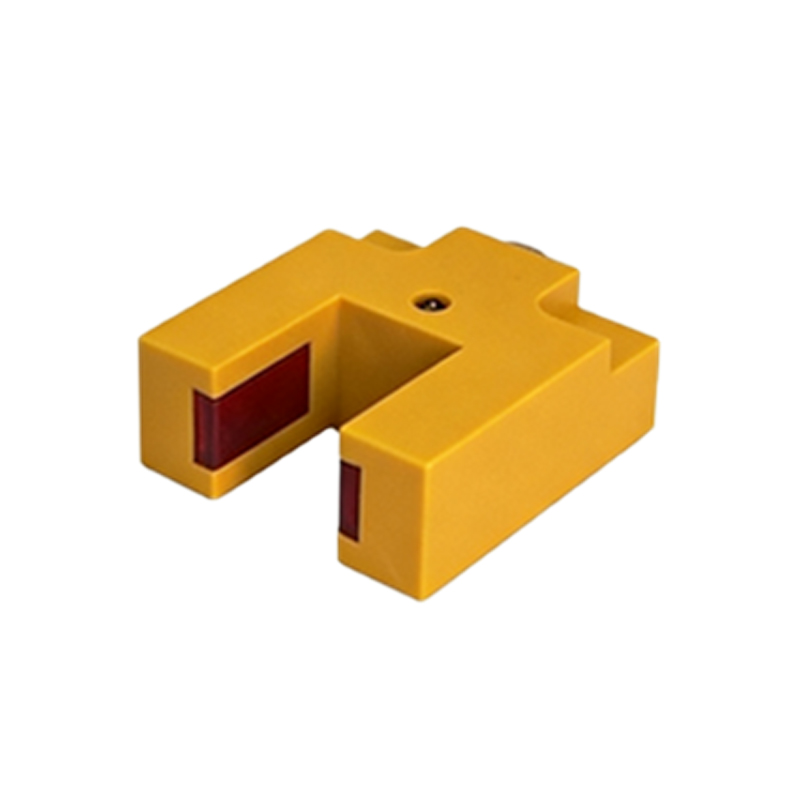
In industrial automation, precision and reliability are paramount. The 3-wire slot photoelectric sensor, also known as a fork sensor or U-shaped sensor, is a specialized component designed for high-accuracy object detection in confined spaces. Unlike traditional through-beam sensors, this device integrates the emitter and receiver into a single housing, forming a U-shaped slot. The 3-wire configuration typically includes a power supply line (brown for +V), a ground line (blue for 0V), and an output line (black for signal). This design simplifies wiring while ensuring robust performance in harsh environments, making it a staple in packaging, material handling, and conveyor systems.
Operating Principle and Technical Specifications
The sensor operates by emitting a modulated light beam (infrared, visible red, or laser) from one arm of the slot to the opposite receiver. When an opaque object enters the slot, it interrupts the beam, triggering a change in the output state (NPN or PNP, depending on the model). Key technical parameters include slot width (typically 5mm to 50mm), response time (down to 50 microseconds), and protection rating (IP67 for dust and water resistance). The 3-wire system allows for easy integration with PLCs (Programmable Logic Controllers) and relays, supporting both sinking (NPN) and sourcing (PNP) configurations. Engineers should also consider factors like ambient light immunity and operating temperature range (-25°C to +60°C) for optimal performance.
Advantages in Industrial Applications
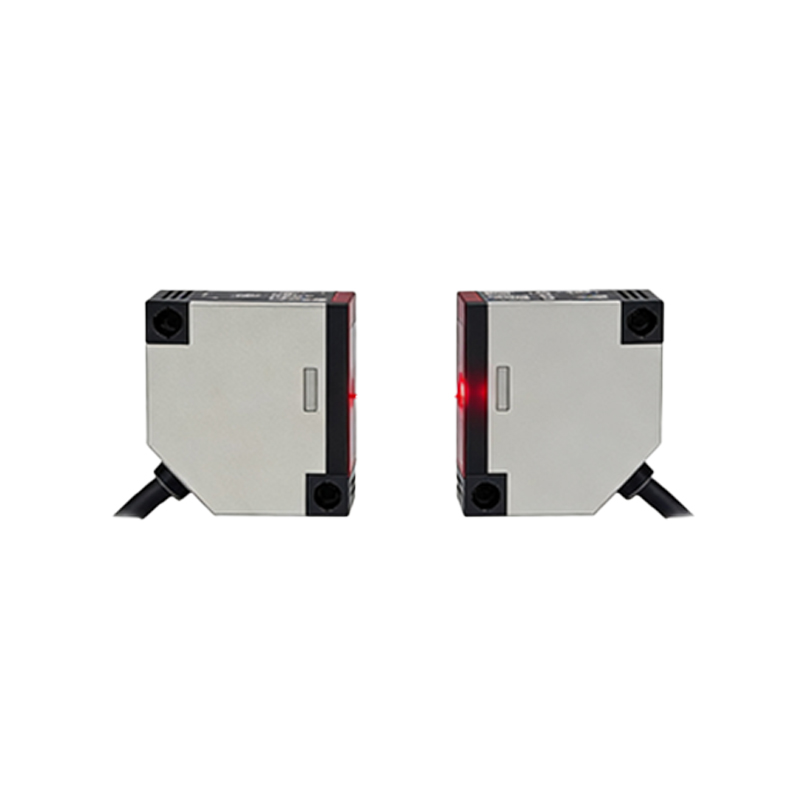
The 3-wire slot photoelectric sensor offers several distinct advantages over alternative detection methods. Its compact U-shape eliminates the need for separate emitter and receiver alignment, reducing installation time and cost. The modulated light source minimizes interference from ambient light, ensuring stable detection even in high-glare environments. Additionally, the sensor provides high repeatability and fast switching speeds, ideal for counting small parts, detecting labels, or verifying position in high-speed machinery. For example, in a bottle-filling line, the sensor can detect missing caps or misaligned containers with minimal false triggers, improving overall equipment effectiveness (OEE).
Installation and Wiring Best Practices
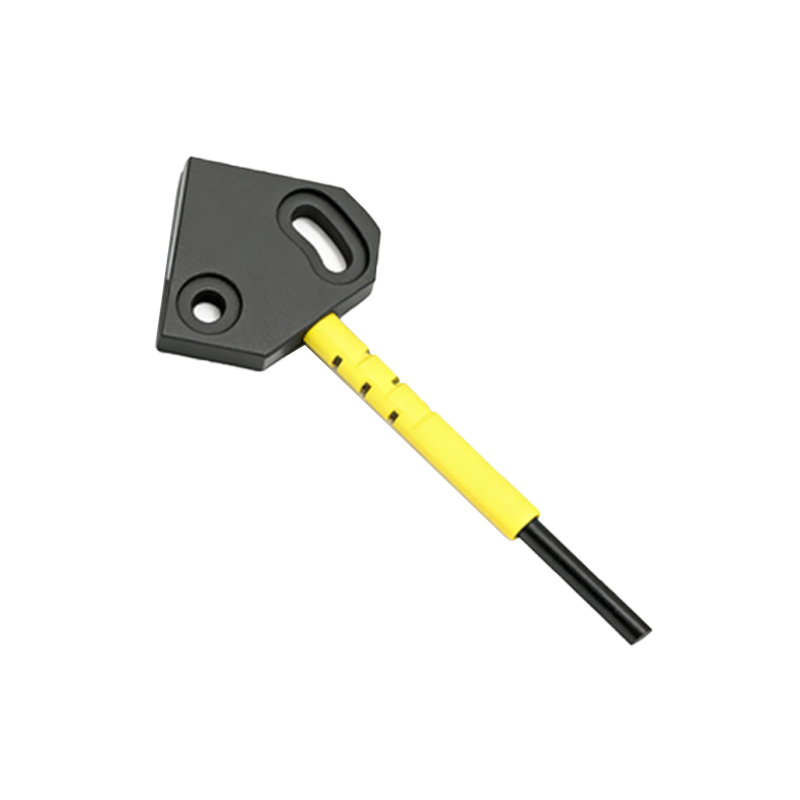
Proper installation is critical for maximizing sensor lifespan and performance. Begin by securing the sensor using the provided mounting brackets, ensuring the slot is free of debris. Connect the wires as per the color code: brown to a 10-30V DC power source, blue to ground, and black to the PLC input. For NPN sensors, the output goes low (0V) when the beam is interrupted; for PNP sensors, the output goes high (+V). Use shielded cables if running long distances to prevent electromagnetic interference (EMI). Always verify the output type matches your controller’s input requirements. A common mistake is incorrect wiring of the load, which can damage the output transistor—refer to the datasheet for specific limits.
Troubleshooting Common Issues
Even robust sensors can encounter problems. If the output remains constant regardless of object presence, check for dirt or condensation on the optical windows—clean with a lint-free cloth and isopropyl alcohol. Slow response might indicate a failing LED or power supply instability; test with a multimeter to ensure voltage stays within 10-30V DC. For intermittent false triggers, examine nearby reflective surfaces or stray light sources. Adjust the sensitivity potentiometer if available, or use a teach-in function for self-calibration. In extreme cases, replace the sensor with a model featuring a narrower slot width or higher frequency modulation to reject noise.
Selection Criteria and Future Trends
When selecting a 3-wire slot photoelectric sensor, evaluate slot depth, detection range, and output logic. For small objects (e.g., 0.5mm pins), choose a sensor with a focused beam and fast response. For wet or dusty environments, opt for a sealed unit with IP69K rating. Emerging trends include IO-Link integration for real-time diagnostics, miniaturized designs for micro-automation, and multi-channel sensors that detect multiple objects simultaneously. As Industry 4.0 advances, these sensors are becoming smarter, with self-diagnostic capabilities and predictive maintenance alerts, reducing downtime and improving manufacturing efficiency.