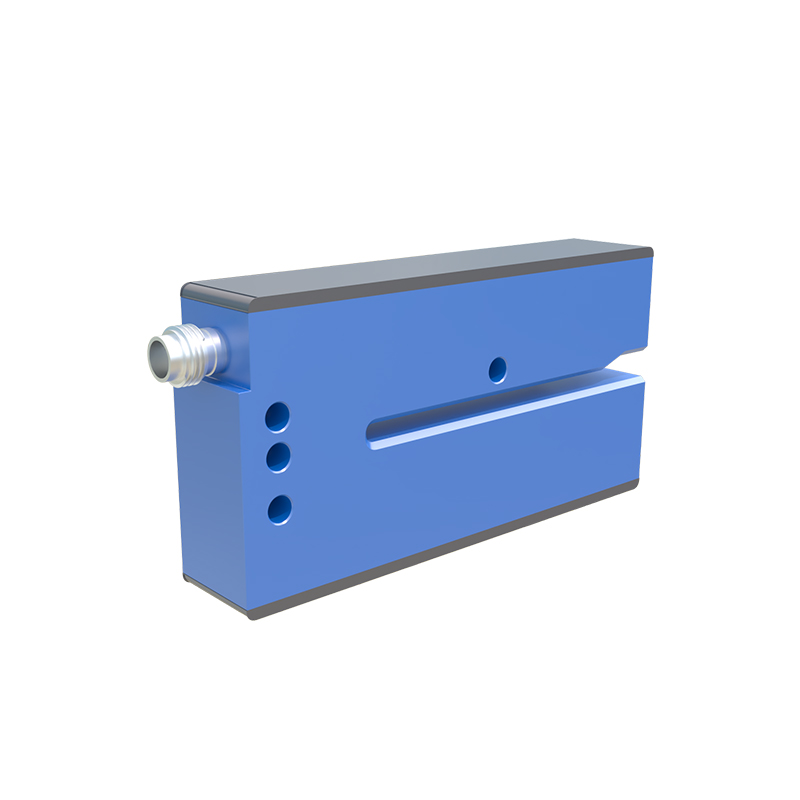
Overview of CC2430 and Photoelectric Sensing Technology
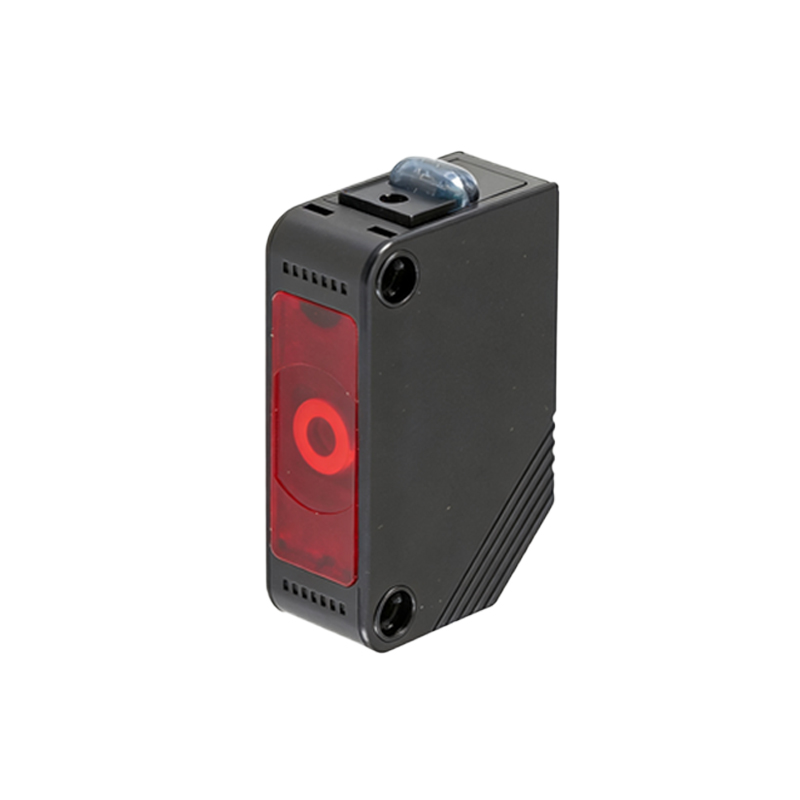
The CC2430 is a system-on-chip (SoC) solution from Texas Instruments, integrating an 8051 microcontroller core with a 2.4 GHz IEEE 802.15.4 compliant RF transceiver. This device is widely adopted in industrial wireless sensor networks (WSNs) due to its low power consumption, high sensitivity, and robust communication capabilities. When combined with a photoelectric sensor module, the CC2430 enables contactless detection of objects, distances, or color variations in harsh industrial environments. The photoelectric sensor typically operates by emitting a light beam (infrared or visible) and measuring the reflected or interrupted signal, with the CC2430 handling signal processing, threshold detection, and wireless data transmission.
Key Hardware Architecture and Signal Conditioning
The hardware design of a CC2430-based photoelectric sensor involves three critical stages: optical front-end, analog-to-digital conversion, and wireless interface. The photodiode or phototransistor captures light variations and converts them into current signals. A transimpedance amplifier (TIA) with adjustable gain is used to condition the weak signals, ensuring high signal-to-noise ratio (SNR) for accurate detection. The CC2430's integrated 12-bit ADC samples the conditioned analog voltage at up to 500 kS/s, allowing real-time threshold comparison. For wireless connectivity, the CC2430 supports ZigBee protocol, enabling mesh networking with other sensor nodes in the factory floor. Power management is achieved via the CC2430's sleep modes and duty-cycling techniques, reducing average current consumption to below 50 µA.
Firmware Architecture for Reliable Sensing
The firmware developed for this sensor system follows a state-machine design to optimize energy efficiency and response time. The main states include initialization, sensing, processing, and transmission. During the sensing state, the firmware activates the photoelectric sensor and the ADC, performing multiple readings to filter out noise using a moving average algorithm. The processed data is compared against a programmable threshold, which can be adjusted via wireless commands from a central controller. If the measured value exceeds the threshold, the CC2430 triggers an interrupt and immediately transmits an alert packet containing the sensor ID, timestamp, and raw data. The firmware also implements a watchdog timer to recover from potential lock-ups in the industrial environment.
Calibration and Environmental Compensation
Industrial environments pose challenges such as ambient light interference, temperature drift, and dust accumulation. To address these, the CC2430 photoelectric sensor incorporates a calibration routine during startup. The sensor measures the baseline ambient light level without any target object and stores this as a reference. During operation, the firmware subtracts this baseline from the current reading, effectively canceling static background noise. Additionally, a temperature sensor integrated on the CC2430 PCB monitors the ambient temperature, and a lookup table in the firmware adjusts the threshold values to compensate for temperature-induced sensitivity changes of the photodiode. This compensation ensures consistent detection accuracy across a temperature range of -40°C to +85°C.
Wireless Communication and Network Integration
The CC2430 supports the ZigBee PRO stack, which provides features like frequency agility, channel hopping, and AES-128 encryption for secure data transmission. In a typical deployment, multiple CC2430 photoelectric sensors form a star or tree topology with a coordinator node. Each sensor periodically sends heartbeat packets to confirm network connectivity, and the coordinator can issue commands to adjust sampling rates or thresholds. The wireless range in a factory setting is typically 30-50 meters indoors, but can be extended using router nodes. The low latency of the ZigBee network, with a typical data transmission time of under 30 ms, makes the system suitable for real-time conveyor belt monitoring or object counting applications.
Application Scenarios and Performance Metrics
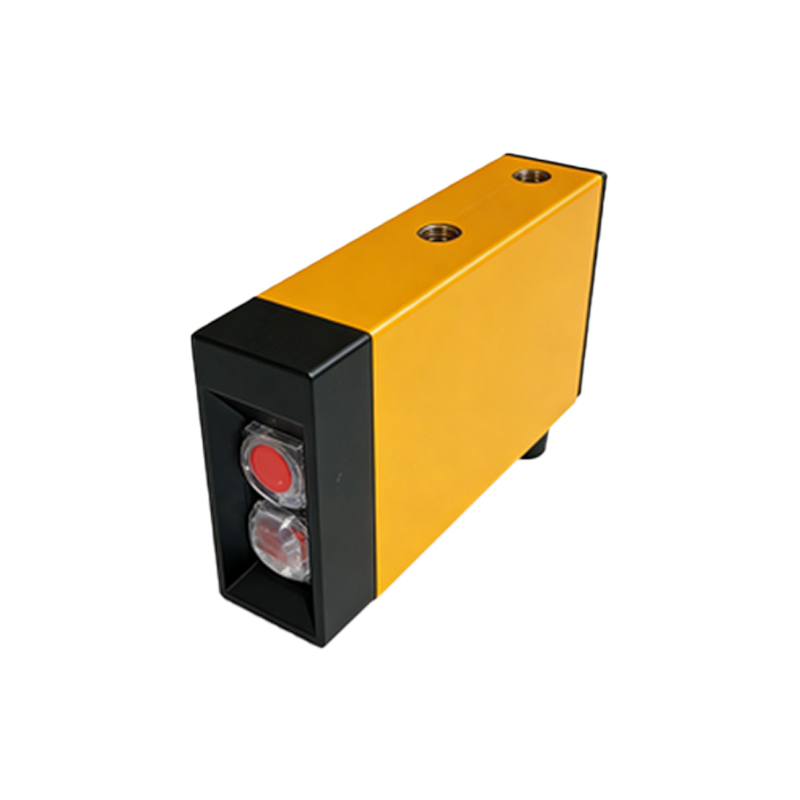
CC2430 photoelectric sensors are ideal for applications such as automated assembly line object detection, packaging quality control, and warehouse inventory management. In a case study with a manufacturing plant, a network of 20 such sensors achieved a detection accuracy of 99.3% with a false alarm rate of less than 0.5%. The average battery life, using two AA cells, exceeded 18 months under a duty cycle of 1 second sensing intervals. The system's response time from object presence to wireless alert was measured at 50 ms, well within industrial requirements. Furthermore, the modular design allows easy replacement of the photoelectric sensor element for different wavelengths (e.g., red laser for precision or IR for low-cost detection).
Conclusion and Future Enhancements
The CC2430-based photoelectric sensor represents a cost-effective and reliable solution for industrial automation. Its low power, mesh networking, and adaptive signal processing capabilities make it a strong candidate for Industry 4.0 initiatives. Future enhancements could include integration with machine learning algorithms on the CC2430 for predictive maintenance, or the use of energy harvesting techniques to eliminate battery replacements. As wireless sensor technology evolves, the CC2430 platform will continue to play a pivotal role in smart factory environments.