Understanding the Core Components of Photoelectric Sensors
As an electrical engineer with years of field experience, I often encounter this question from plant managers and maintenance teams. The short answer is no, a photoelectric sensor is not inherently fragile. However, its longevity depends heavily on the application environment, installation quality, and the specific type of sensor selected. These devices consist of an emitter (usually an LED or laser diode), a receiver (phototransistor or photodiode), and signal processing electronics. The mechanical housing is typically robust, made from materials like ABS plastic, nickel-plated brass, or stainless steel. The perceived "breakability" often stems from misuse rather than inherent design flaws.
Common Failure Modes in Industrial Environments
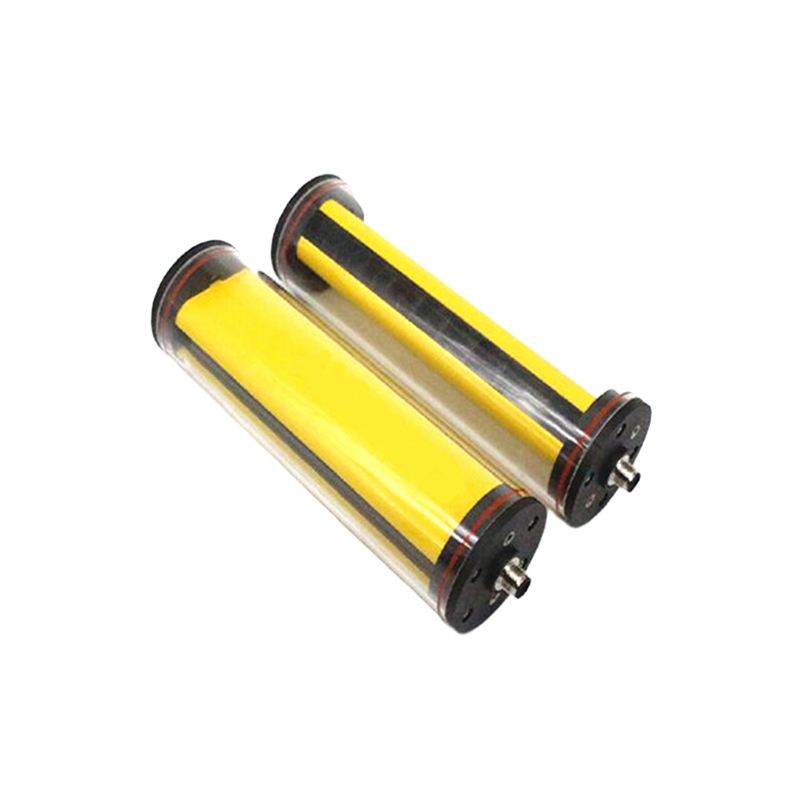
The most frequent cause of failure is not the sensor itself, but external factors. In a factory setting, high levels of ambient dust, oil mist, or coolant spray can gradually coat the lens, reducing the effective sensing range and causing false readings or missed detections. This is often misinterpreted as a "broken" sensor. Another major culprit is mechanical impact. While the housing is durable, a direct hit from a forklift or falling heavy object can crack the lens or damage the internal alignment. Electrical failures, such as voltage spikes from nearby welding equipment or improper wiring, can also damage the internal circuitry, leading to intermittent operation or complete failure.
Environmental Factors That Accelerate Wear
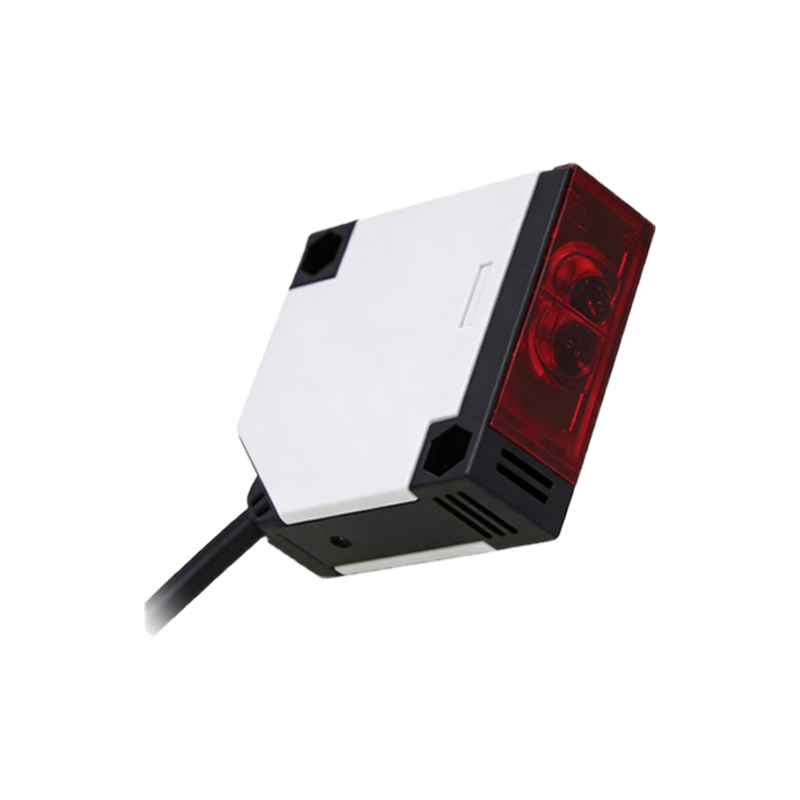
Temperature extremes are a significant consideration. Many standard photoelectric sensors are rated for -25°C to 55°C. Operating beyond this range, especially in high-temperature ovens or near hot machinery, can cause internal components to degrade, particularly the LED emitter which loses efficiency with heat. Conversely, condensation in cold environments can create ice on the lens. Chemical exposure is another silent killer. Solvents, strong acids, or alkalis can attack the plastic housing or lens material over time. For such harsh environments, sensors with glass lenses and stainless steel housings are necessary, which are far more resilient than standard models.
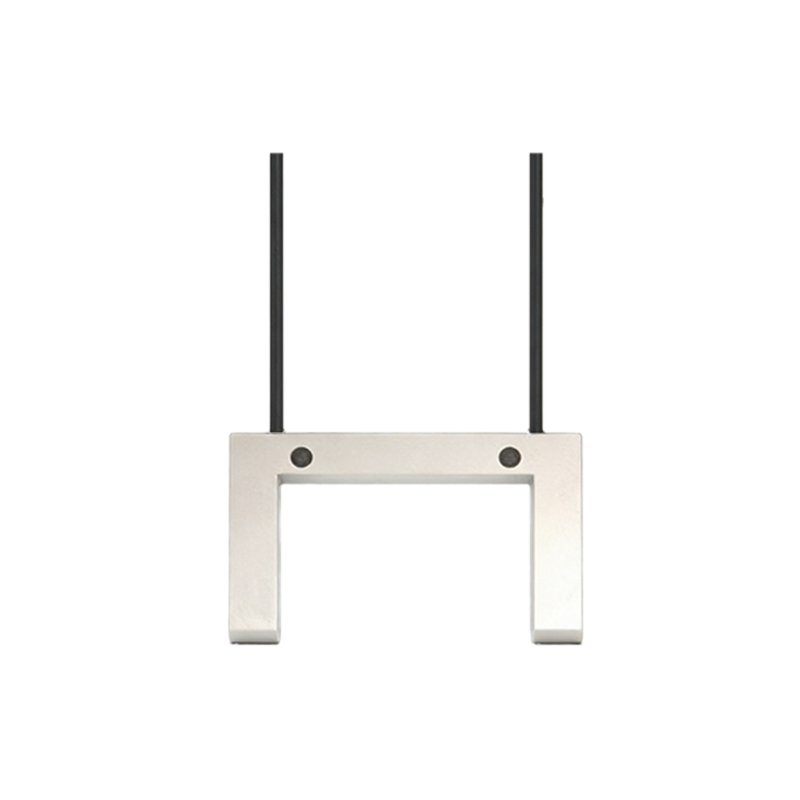
How to Maximize Sensor Lifespan
Preventive maintenance is key. A simple, regular cleaning schedule using a soft, lint-free cloth and isopropyl alcohol (for non-polycarbonate lenses) can prevent most optical buildup issues. Ensure the sensor is mounted securely to minimize vibration. Over 90% of "failed" sensors I have inspected simply needed a recalibration or a lens cleaning. Also, verify that the sensor's IP rating (e.g., IP67 or IP69K) matches the environment's moisture and dust levels. When replacing a sensor, always check the wiring for corrosion and use a properly rated power supply to avoid electrical stress.
Selecting the Right Sensor for the Task
A common mistake is using a diffuse mode sensor for a long-range, high-accuracy application where a through-beam or retro-reflective sensor would be more suitable. Through-beam sensors have the highest reliability and longest range, as the receiver only needs to detect a break in the beam. Retro-reflective sensors are a good balance, but the reflector must be kept clean. Diffuse sensors are sensitive to target color and reflectivity, making them more prone to false triggers in dirty environments. Choosing the correct sensing mode upfront dramatically reduces the risk of premature failure.
Conclusion: Robust Technology, Vulnerable Application
In my professional opinion, a photoelectric sensor is a robust and reliable component when properly specified and maintained. It is not "easily breakable" in the traditional sense. The problems almost always stem from the application: dirt, impact, incorrect selection, or electrical noise. By understanding these factors and implementing a proactive maintenance strategy, you can achieve a service life of 5-10 years or more in most industrial settings. The technology is mature; the challenge lies in the environment.