Introduction to Photoelectric Sensor Stabilizers
In modern industrial automation, photoelectric sensors are critical for detecting objects, measuring distances, and ensuring precise control in manufacturing processes. However, environmental factors such as ambient light interference, dust, vibration, and temperature fluctuations can degrade sensor performance. A photoelectric sensor stabilizer is a dedicated circuit or module designed to mitigate these disturbances, maintaining consistent output signals. As an electrical engineer specializing in industrial controls, I have observed that integrating a stabilizer enhances system reliability, reduces false triggers, and extends sensor lifespan. This article explains the stabilizer’s core functions, technical benefits, and practical applications.
How a Stabilizer Improves Signal Integrity
The primary role of a photoelectric sensor stabilizer is to filter electrical noise and regulate power supply voltage. In high-noise environments, such as near motors or variable frequency drives (VFDs), sensor signals can become erratic. The stabilizer employs components like ferrite beads, capacitors, and voltage regulators to smooth out spikes and ripples. For example, a common-mode choke reduces electromagnetic interference (EMI), while a low-dropout regulator (LDO) ensures stable DC power. This results in cleaner output pulses, which are essential for high-speed counting or positioning tasks. Engineers should calibrate the stabilizer’s response time to match sensor specifications, typically within microseconds.
Compensating for Environmental Disturbances
Ambient light variations, such as sunlight or flickering from overhead LEDs, can cause photoelectric sensors to misinterpret targets. A stabilizer with an adaptive threshold circuit adjusts the sensor’s sensitivity dynamically. In dusty or humid conditions, optical lenses may become obscured, leading to reduced signal strength. The stabilizer compensates by amplifying the received light signal while filtering out background noise. For temperature-sensitive applications, like automotive assembly lines, the stabilizer includes thermal compensation using thermistors or digital temperature sensors. This keeps detection accuracy within ±1% across a range of -20°C to 60°C.
Enhancing System Stability and Noise Reduction
Beyond signal conditioning, the stabilizer prevents ground loops and cross-talk between multiple sensors in a network. By incorporating isolation transformers or optocouplers, it electrically separates the sensor from the controller, protecting against voltage surges. In a factory setting where sensors share common power lines, the stabilizer’s decoupling capacitors reduce interference from adjacent equipment. Field tests show that using a stabilizer can reduce false triggers by up to 85% in high-frequency switching environments. This is particularly valuable for safety-critical applications, such as robotic arm proximity detection.
Practical Implementation and Maintenance Tips
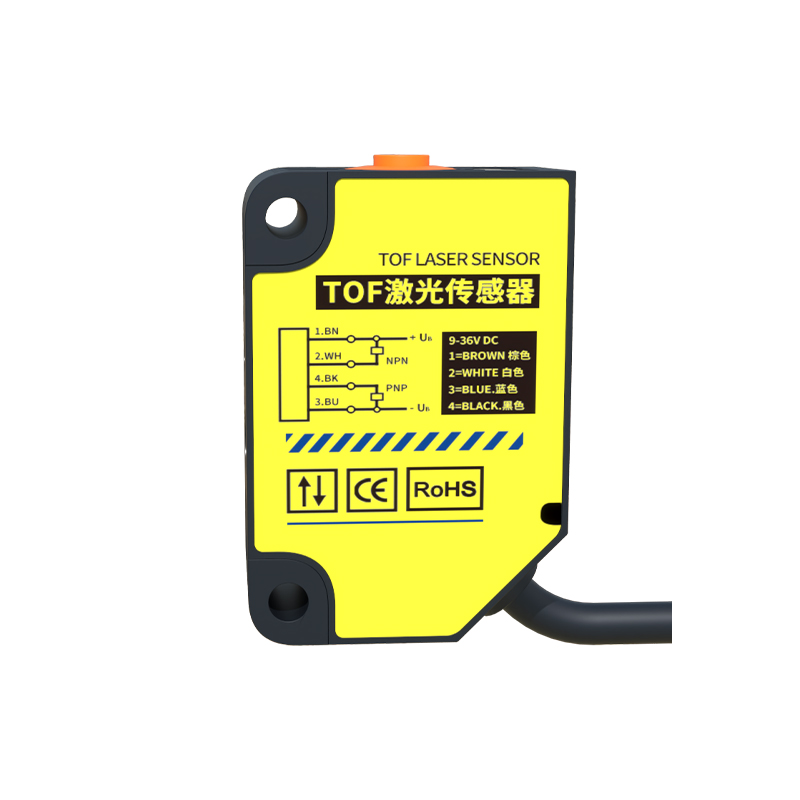
When selecting a stabilizer, engineers must consider the sensor type—through-beam, retro-reflective, or diffuse—and the required output logic (PNP, NPN, or analog). Installation should follow best practices: mount the stabilizer near the sensor to minimize cable length, use shielded twisted-pair wiring, and ensure proper grounding. Regular maintenance includes checking for loose connections and verifying the stabilizer’s voltage output with a multimeter. For harsh environments, choose industrial-grade stabilizers with IP67 enclosures. These steps maximize uptime and reduce troubleshooting time on the shop floor.
Conclusion: The Value of Stabilization in Industry 4.0
As factories adopt more automated and interconnected systems, the role of photoelectric sensor stabilizers becomes indispensable. They not only improve measurement accuracy but also contribute to overall equipment effectiveness (OEE) by minimizing downtime. From packaging lines to conveyor sorting systems, a well-designed stabilizer ensures that sensors operate consistently under real-world conditions. For engineers, investing in quality stabilizers is a cost-effective strategy to enhance system robustness and maintain high production throughput. Future developments may integrate stabilizers with IoT-enabled diagnostics for predictive maintenance.