Understanding Photoelectric Sensor Detection Range
Photoelectric sensors are widely used in industrial automation for non-contact detection of objects, and one of the most common questions from engineers is: "Can they detect over long distances?" The answer is yes, but the detection distance varies significantly based on the sensor type, operating principle, and environmental conditions. Generally, through-beam photoelectric sensors offer the longest detection range, often exceeding 100 meters in ideal conditions, while retro-reflective and diffuse sensors have shorter ranges, typically from a few centimeters to 10 meters. Understanding these limits is crucial for selecting the right sensor for your application.
Through-Beam Sensors: The Longest Range Option
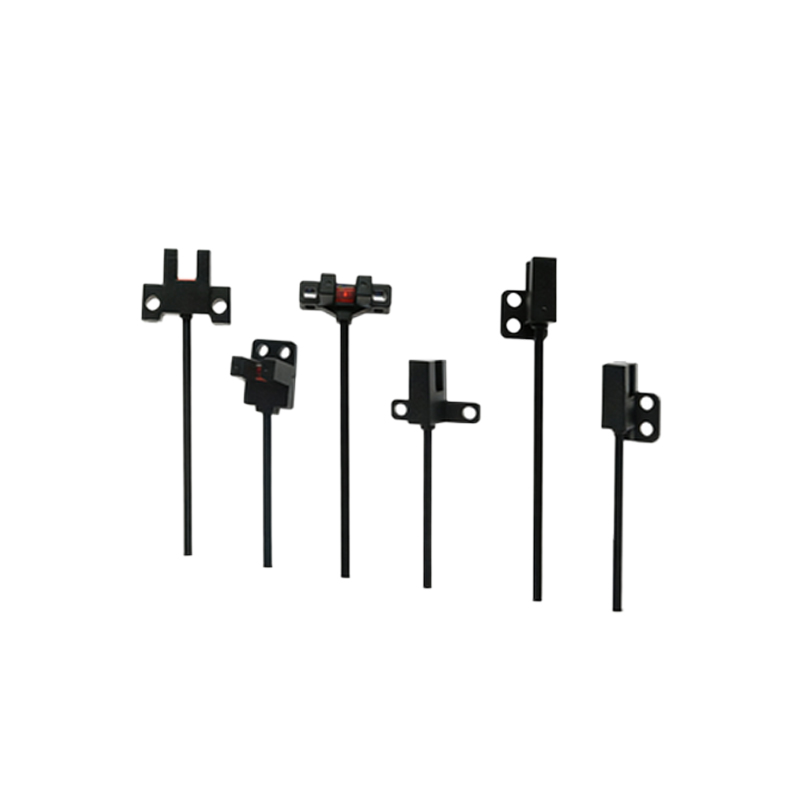
Through-beam sensors consist of a separate emitter and receiver. They provide the longest detection distances among photoelectric sensors, with ranges up to 200 meters for high-power models. This is because the light beam travels directly from the emitter to the receiver without reflection, minimizing signal loss. However, they require alignment and can be affected by dust, fog, or physical obstructions. For applications like warehouse automation, conveyor belt monitoring, or perimeter security, through-beam sensors are the preferred choice when maximum distance is needed.
Retro-Reflective Sensors: Balanced Performance
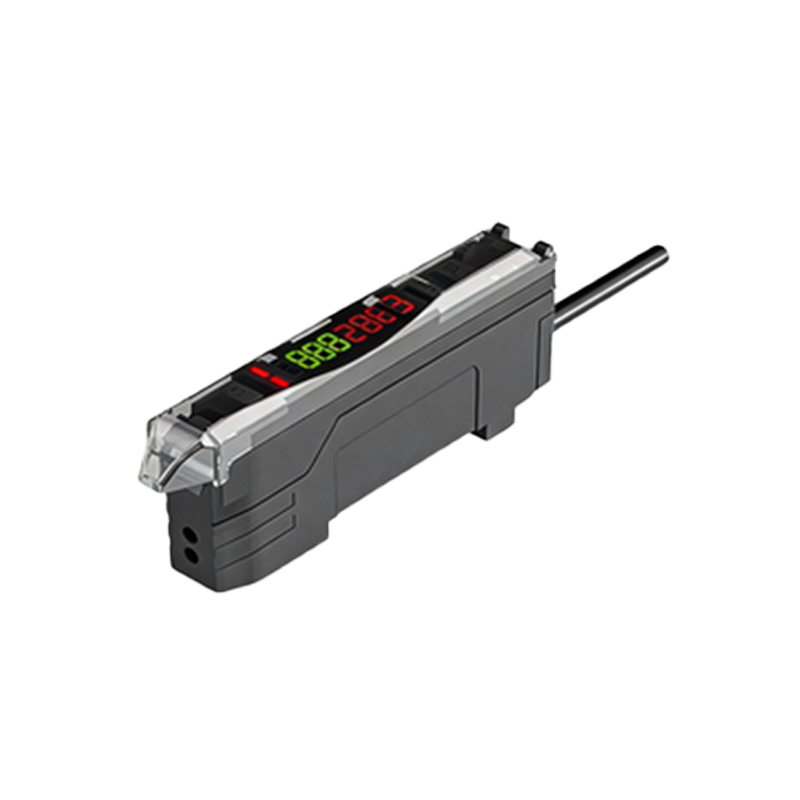
Retro-reflective sensors combine the emitter and receiver in one unit, using a reflector to bounce the light back. Their detection range is shorter than through-beam types, typically from 0.1 to 10 meters, depending on the reflector size and sensor power. They are easier to install and less sensitive to misalignment, making them suitable for packaging lines, door detection, and automated guided vehicles. For longer retro-reflective ranges, use high-gain reflectors or polarized versions to reduce interference from shiny surfaces.
Diffuse Sensors: Limited Distance but Versatile
Diffuse sensors rely on the target itself to reflect light back to the receiver. Their detection range is the shortest, often from 1 centimeter to 2 meters, because the reflected light is weaker and depends on the target's color, material, and surface finish. White, reflective objects can be detected at longer distances than dark, matte surfaces. For precise proximity sensing, such as object presence detection in tight spaces, diffuse sensors are ideal but not for long-range applications.
Factors Affecting Detection Distance
Several factors can impact the actual detection distance of photoelectric sensors. Ambient light, especially sunlight or strong artificial lighting, can reduce sensitivity. Dust, moisture, and smoke attenuate the light beam, decreasing range. Target characteristics like color, reflectivity, and size also play a role. Engineers should consider these variables when designing systems, and may need to use filters, lenses, or sensor amplifiers to extend effective range. Additionally, proper mounting and alignment are critical for achieving specified distances.
Selecting the Right Sensor for Long-Range Applications
For engineers needing long detection distances, through-beam sensors are the top choice. If installation space or alignment is a concern, retro-reflective sensors with large reflectors can offer a good compromise. For dynamic environments with varying targets, diffuse sensors are less suitable for long range. Always consult the manufacturer's datasheet for specific distance ratings under typical conditions, and test the sensor in your actual setup to ensure reliable performance. Modern technologies, like laser-based photoelectric sensors, can also provide extended ranges up to 50 meters with higher precision.
Conclusion: Distance Is Not a Limitation
In summary, photoelectric sensors can detect over long distances, especially through-beam types. However, the achievable range depends on the sensor type, environmental factors, and target properties. By understanding these parameters, engineers can confidently select and apply photoelectric sensors for long-range detection in automation, safety, and logistics applications. Always prioritize application-specific testing to validate performance.