Introduction to Photoelectric Sensors
Photoelectric sensors are critical components in modern industrial automation, converting light signals into electrical signals to detect the presence, absence, or distance of objects. Their development stems from the need for non-contact, high-speed, and reliable sensing solutions in manufacturing, packaging, and logistics. As an electrical engineer with over a decade of experience in sensor design, I have witnessed the evolution from simple through-beam sensors to advanced smart sensors with embedded microcontrollers.
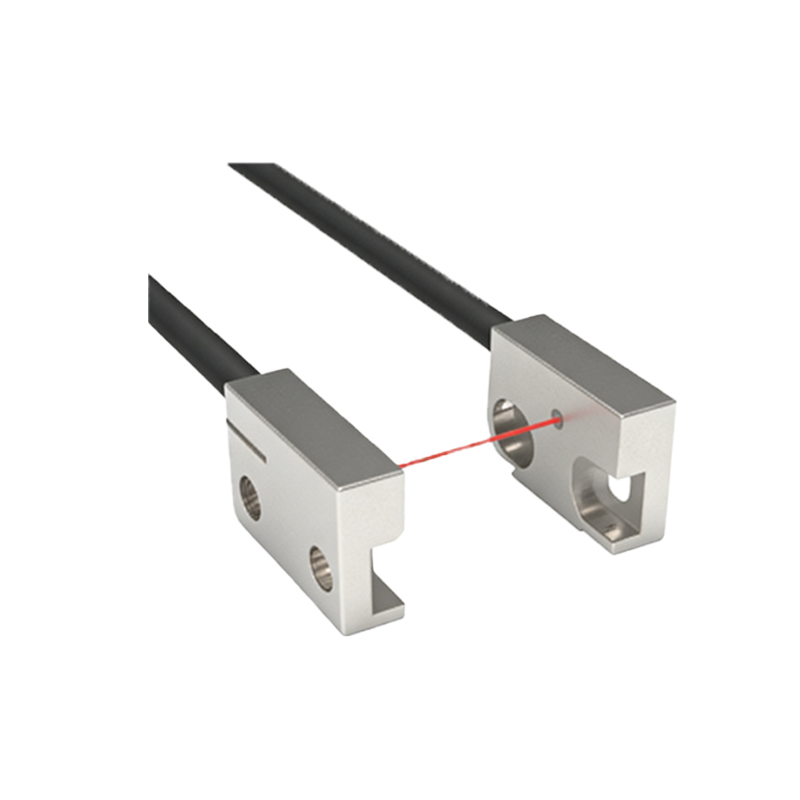
Early Challenges and Technological Drivers
In the 1950s, industrial automation relied heavily on mechanical limit switches and proximity sensors, which suffered from wear, limited range, and environmental sensitivity. The advent of photoelectric sensors addressed these issues by using light beams for detection. However, early photoelectric sensors faced significant drawbacks: sensitivity to ambient light, limited range, and high power consumption. Engineers at companies like Omron and Sick pioneered the use of modulated infrared light to filter out interference, improving reliability in dusty or brightly lit environments. This breakthrough reduced false triggers and expanded applications in conveyor belt monitoring and object counting.
Key Innovations in Sensing Principles
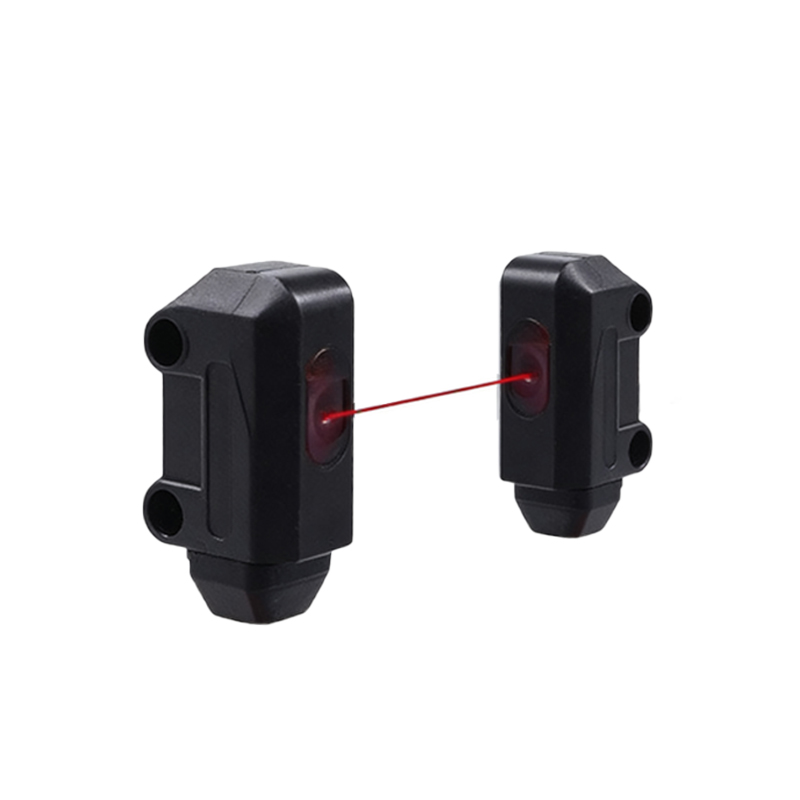
The development of three primary sensing modes—through-beam, retro-reflective, and diffuse—defined the sensor's versatility. Through-beam sensors offered the longest range (up to 50 meters) but required separate emitter and receiver units, complicating installation. Retro-reflective sensors simplified setup by combining emitter and receiver in one housing, using a reflector for alignment. Diffuse sensors, introduced in the 1970s, eliminated the reflector requirement by detecting reflected light from the object itself. This innovation enabled detection of transparent materials and irregular shapes, crucial for glass and beverage industries. Enhanced signal processing algorithms improved immunity to colored or glossy surfaces, reducing false detections.
Miniaturization and Integration with PLCs
The 1990s saw a shift toward compact sensor designs thanks to advances in surface-mount technology and integrated circuits. Photoelectric sensors shrank from bulky cube shapes to cylindrical M12 or M18 housings, allowing installation in tight spaces. Simultaneously, standardization of electrical interfaces (e.g., NPN/PNP outputs, IO-Link communication) facilitated seamless integration with programmable logic controllers (PLCs). Engineers developed self-contained sensors with on-board diagnostics, such as stability indicators and alarm outputs, to monitor sensor health without external tools. This reduced maintenance downtime in high-speed production lines.
Modern Challenges: IP Ratings and Environmental Resistance
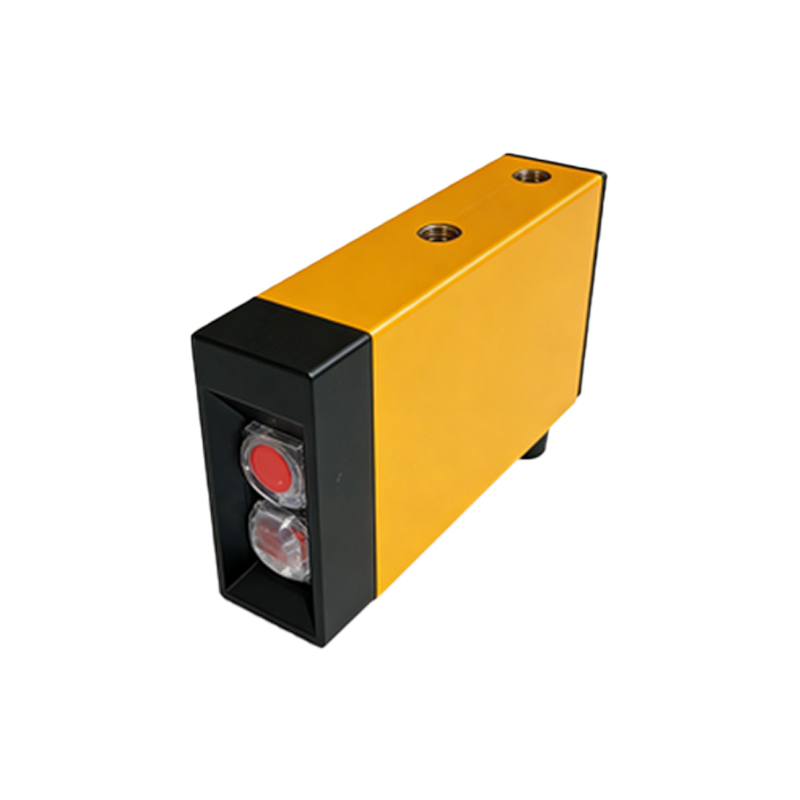
In harsh industrial environments, sensors must withstand dust, moisture, and temperature extremes. The evolution of IP67 and IP69K ratings enabled photoelectric sensors to function in food processing plants and outdoor installations. Engineers introduced lens coatings with anti-fog and scratch-resistant properties, alongside corrosion-resistant housings made from stainless steel or high-grade polymers. For example, in automotive body shops, sensors now resist welding spatter and metal shavings, ensuring reliable operation in high-heat zones. This resilience extends sensor lifespan from months to years, lowering total cost of ownership.
Future Trends: Smart Sensors and AI Integration
The latest generation of photoelectric sensors incorporates microprocessors and artificial intelligence. These smart sensors can self-calibrate, detect multiple object types simultaneously, and communicate via industrial Ethernet protocols like PROFINET or EtherNet/IP. Emerging technologies include 3D time-of-flight sensors that measure object height and volume, enabling real-time inventory management. As Industry 4.0 advances, engineers are focusing on energy harvesting to reduce wiring, such as using solar cells in wireless sensors. The development background of photoelectric sensors mirrors the broader trend toward autonomous, data-driven manufacturing, where sensing becomes the eyes and ears of the factory floor.