Introduction to Photoelectric Sensors
Photoelectric sensors are non-contact devices that use light to detect the presence, absence, or distance of objects. They are widely used in industrial automation, manufacturing, and process control due to their reliability, speed, and versatility. Operating on the principle of light emission and reception, these sensors convert light signals into electrical outputs, enabling machines to make decisions based on environmental changes.
Basic Working Principle
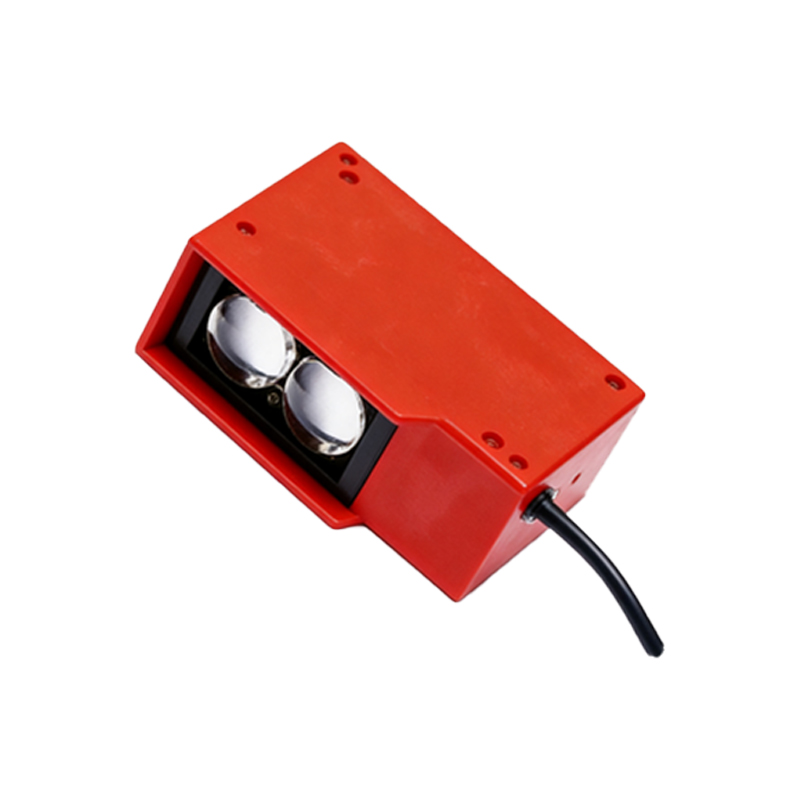
A photoelectric sensor typically consists of an emitter (light source) and a receiver (photodetector). The emitter sends out a beam of light, often infrared, visible red, or laser, which is then either reflected, interrupted, or absorbed by a target object. The receiver detects changes in light intensity or presence, triggering a response. Common modes include through-beam, retro-reflective, and diffuse sensing, each suited for specific applications.
Types of Photoelectric Sensors
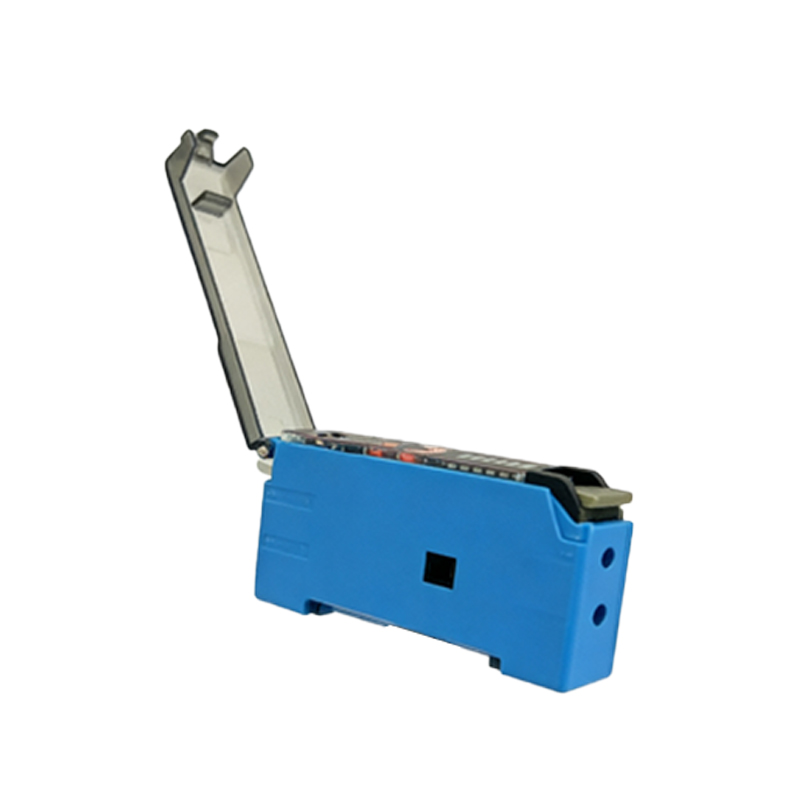
Through-beam sensors have separate emitter and receiver units, offering the longest detection range and high immunity to contamination. Retro-reflective sensors use a reflector to bounce the light back to the receiver, simplifying installation. Diffuse sensors combine emitter and receiver in one housing, using the target's surface to reflect light back, ideal for short-range detection. Each type has distinct advantages in terms of range, accuracy, and environmental robustness.
Key Applications in Industry
In manufacturing, photoelectric sensors detect product presence on conveyor belts, verify correct packaging, and monitor fill levels. They are essential in robotics for object positioning and collision avoidance. In automotive assembly, they ensure precise component alignment. Additionally, they are used in logistics for sorting and counting, and in food processing to detect contaminants or broken items, enhancing safety and efficiency.
Advantages Over Mechanical Sensors
Unlike mechanical switches, photoelectric sensors have no moving parts, reducing wear and maintenance. They operate without physical contact, preventing damage to delicate objects. Their fast response times (microseconds) enable high-speed automation. They also work in harsh environments, resisting vibration, dust, and moisture when properly enclosed, making them ideal for continuous industrial operation.
Selection Criteria for Industrial Use
Choosing the right sensor depends on factors like detection range, target material, ambient light conditions, and installation space. For transparent or reflective objects, retro-reflective models with polarizing filters are preferred. For dusty environments, through-beam sensors offer better reliability. Engineers must also consider output type (NPN or PNP), response speed, and connectivity to programmable logic controllers (PLCs) for seamless integration.
Future Trends and Innovations
Advancements in photoelectric sensor technology include smart sensors with IO-Link communication for real-time diagnostics and parameter configuration. Laser-based sensors provide micron-level precision for microelectronics. Integration with IoT platforms allows predictive maintenance and data analytics. These innovations are driving Industry 4.0, enabling more adaptive and intelligent automation systems.
Conclusion
Photoelectric sensors are indispensable tools in modern industrial engineering, offering precise, reliable, and contactless detection across countless applications. Understanding their types, working principles, and selection criteria empowers engineers to optimize system performance and efficiency. As technology evolves, these sensors will continue to play a crucial role in advancing automation and smart manufacturing.