Understanding the Basics of Photoelectric Sensors
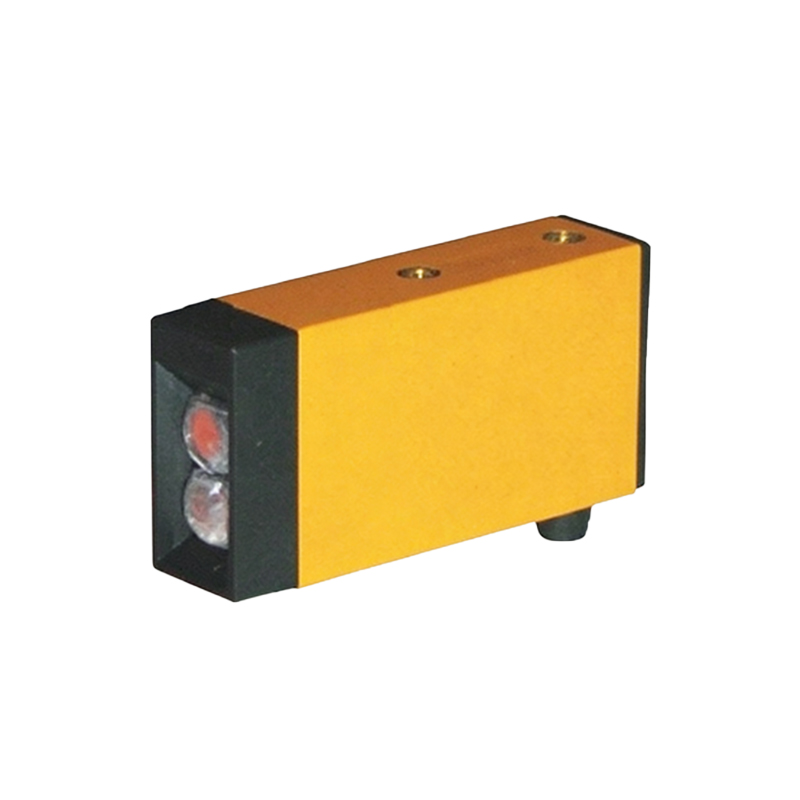
Photoelectric sensors are widely used in industrial automation for object detection, distance measurement, and presence sensing. They operate based on light emission and reception, typically using infrared, visible red, or laser light. A common question from technicians and engineers is whether different models or brands of photoelectric sensors can be mixed in the same system. The short answer is: it depends on the application and compatibility, but mixing is generally not recommended without careful consideration.
Key Factors to Consider When Mixing Sensors
First, check the sensor type. There are through-beam, retro-reflective, and diffuse reflective sensors. Mixing a through-beam emitter with a retro-reflective receiver will not work because the receiver expects a reflector, not a direct beam. Second, consider the output type. NPN vs. PNP outputs are incompatible unless a converter is used. Third, the operating wavelength matters. A 940 nm infrared emitter may not be detected by a receiver tuned for 650 nm visible red light. Fourth, response time and switching frequency must match to avoid signal conflicts or missed detections.
Potential Risks of Mixing Different Brands
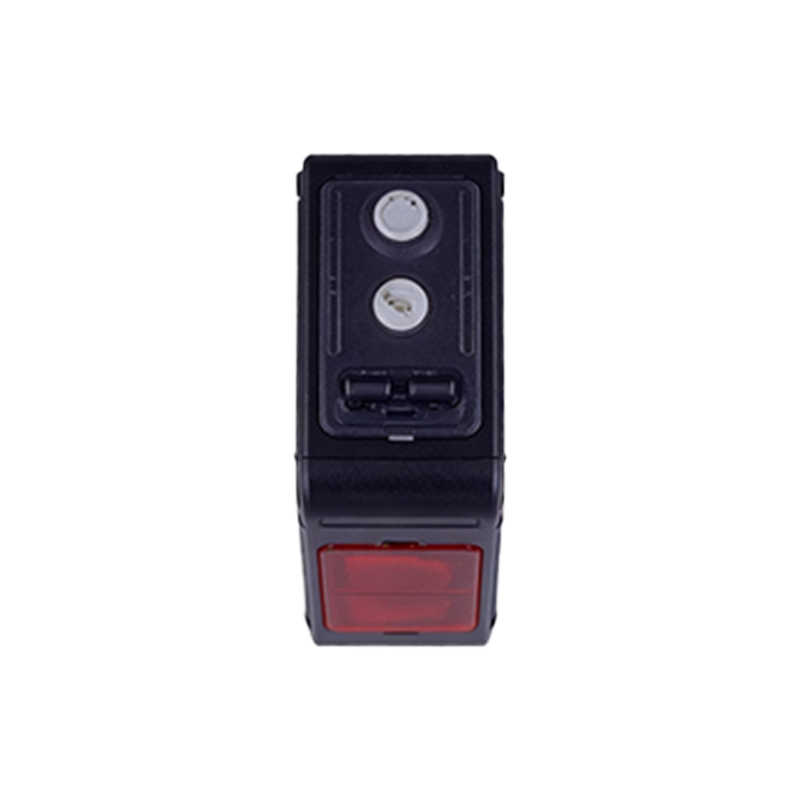
Even if the sensor type and output match, mixing brands like Banner, Sick, or Keyence can introduce issues. Each manufacturer uses proprietary modulation frequencies and coding schemes to prevent crosstalk. A receiver from one brand may not decode the signal from another brand's emitter, causing false triggers or no detection. Additionally, environmental ratings (IP67 vs. IP69K) and cable pinouts may differ, leading to installation errors or reduced reliability in harsh conditions.
When Is Mixing Acceptable?
Mixing can be acceptable under strict conditions. For example, in a non-critical application where both sensors are the same type (e.g., both diffuse reflective) and have compatible electrical specifications (same voltage, output type). If using sensors from the same manufacturer but different series, check the datasheet for cross-compatibility. In some cases, using a universal controller or interface module can bridge differences in output signals. However, always test the setup in a controlled environment before deployment.
Best Practices for System Reliability
To avoid issues, standardize on a single brand and model series for a given application. Document all sensor specifications and ensure they match the control system's input requirements. Use shielded cables and proper grounding to reduce electromagnetic interference. If mixing is unavoidable, consult with the manufacturer's technical support and run rigorous field tests. Remember, in industrial automation, consistency is key to minimizing downtime and maintenance costs.
Conclusion: Proceed with Caution
In summary, photoelectric sensors can be mixed in theory, but practical challenges often outweigh the benefits. The risk of incompatibility in signal modulation, output type, or environmental resistance can lead to system failures. For new installations, choose a unified sensor solution. For retrofits, carefully evaluate compatibility and test thoroughly. As an engineer, your priority should be system stability and safety, not short-term cost savings from mixing components.