Introduction to Mercury-Based Photoelectric Sensors
Photoelectric sensors have long been integral to industrial automation, and mercury, despite its environmental concerns, plays a unique role in certain specialized designs. In the electrical engineering context, mercury’s liquid metallic properties offer distinct advantages in tilt and level sensing applications. These sensors utilize a small mercury droplet that completes or breaks an electrical circuit based on position or vibration, providing reliable switching for safety systems, conveyor alignment, and liquid level detection in harsh environments. Understanding the technical nuances is critical for engineers specifying components in precision industrial processes.
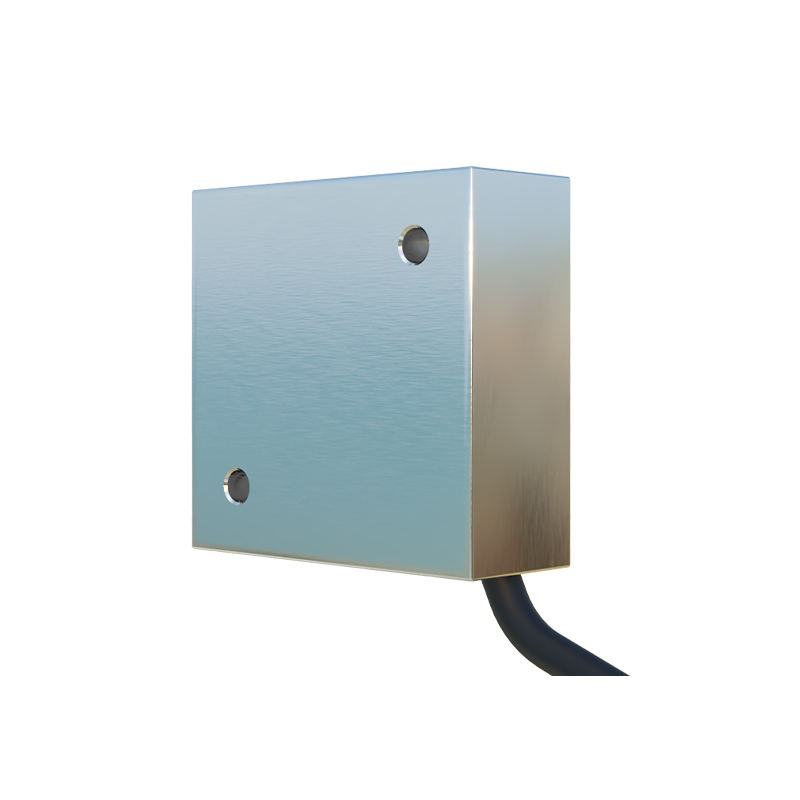
How Mercury Functions in Sensor Mechanics
The core operating principle involves a sealed glass tube containing a controlled amount of mercury. When the sensor is tilted or moved, the mercury flows to one end, bridging two or more electrodes. This creates a low-resistance path, triggering an output signal. For photoelectric sensors, mercury is rarely the primary detection medium but may be integrated into auxiliary circuits for fail-safe functions. The key advantage is the absence of mechanical wear, as mercury has no moving parts beyond the fluid itself. However, engineers must account for temperature-induced viscosity changes, which can affect response time and repeatability.
Design Considerations for Mercury-Equipped Sensors
When incorporating mercury into photoelectric sensor systems, thermal management becomes paramount. Mercury’s expansion coefficient requires careful housing design to prevent glass breakage under extreme cycles. Additionally, electrical contact reliability depends on the mercury’s purity and surface tension maintenance. Engineers prefer sensors with gold-plated electrodes to minimize oxidation, ensuring consistent low-resistance connections. It is also essential to align the sensor’s tilt sensitivity with the intended application—for example, a 15-degree tilt threshold is common for conveyor jam detection, while level sensors may require 45-degree actuation.
Environmental and Safety Compliance
Strict regulations govern mercury use in industrial equipment, including RoHS directives and local disposal laws. Modern photoelectric sensor designs increasingly substitute mercury with alternatives like gallium alloys or MEMS accelerometers for new installations. However, legacy systems in high-reliability sectors—such as mining or aerospace—still rely on mercury sensors due to their unmatched durability. Engineers must document mercury content for material safety data sheets and implement containment strategies during maintenance. Recycling programs are mandatory for decommissioned units to prevent environmental contamination.
Performance Metrics and Calibration
Key performance parameters include actuation time (typically 2-5 milliseconds), operating temperature range (-40°C to 85°C), and mechanical shock resistance (up to 200g). Calibration involves verifying the mercury droplet position at the factory setpoint, using laser alignment tools. Drift over time is minimal, but engineers should test sensors annually using a tilt table with digital readout. For photoelectric models integrating mercury with optical beams, ensure the liquid metal does not interfere with the light path—a common issue resolved by shielding the mercury chamber with opaque epoxy.
Application Case Studies in Industry
In automated packaging lines, mercury tilt sensors detect product jams by triggering a stop signal when the conveyor belt angle exceeds 10 degrees. Another use is in underground mining equipment, where mercury-based level sensors maintain hydraulic fluid balance in harsh, explosive atmospheres. These applications highlight the sensor’s reliability in vibration-heavy environments where solid-state alternatives fail due to solder fatigue. However, engineers must always verify local regulatory exemptions for such critical uses.
Future Trends and Alternatives
The industry is moving toward solid-state replacements, yet mercury sensors remain irreplaceable in certain niche applications. Emerging technologies like microelectromechanical systems with liquid metal droplets (non-toxic gallium) promise similar performance without environmental risk. Until these mature, engineers should design modular systems allowing quick replacement of mercury modules with future alternatives. For now, rigorous maintenance and compliance protocols ensure continued safe operation.