Proximity sensors are fundamental components in modern mechatronic systems, enabling non-contact detection of objects within a defined range without physical interaction. These devices are crucial for automation, safety, robotics, and precision control. The operational principle varies significantly across types, primarily based on the physical phenomenon they utilize. Understanding the distinct categories is essential for selecting the right sensor for a specific application.
One of the most common types is the Inductive Proximity Sensor. This sensor generates an electromagnetic field and detects the eddy current losses caused when a metallic target enters this field. It is highly reliable for detecting ferrous metals like steel and iron, and non-ferrous metals such as aluminum, copper, and brass, though with varying sensing distances. Its key advantages include robustness against dirt, dust, and moisture, high switching frequency, and long operational life. Typical applications include position sensing in machine tools, part detection on conveyor belts, and limit switching in automated systems.
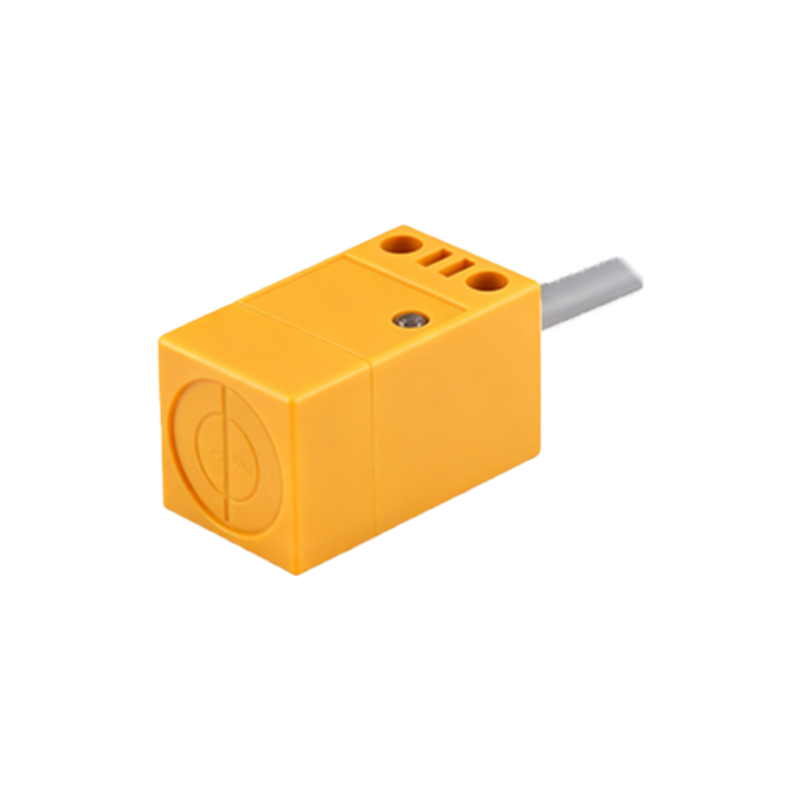
Another widely used category is the Capacitive Proximity Sensor. This sensor can detect both metallic and non-metallic objects by measuring changes in capacitance. It operates by generating an electrostatic field. When any object with a dielectric constant different from air (like liquids, plastics, wood, or granules) enters this field, it alters the capacitance, triggering the sensor. This makes it exceptionally versatile for applications involving material level detection in silos, presence detection of plastic or glass bottles on production lines, and touch-sensitive interfaces.
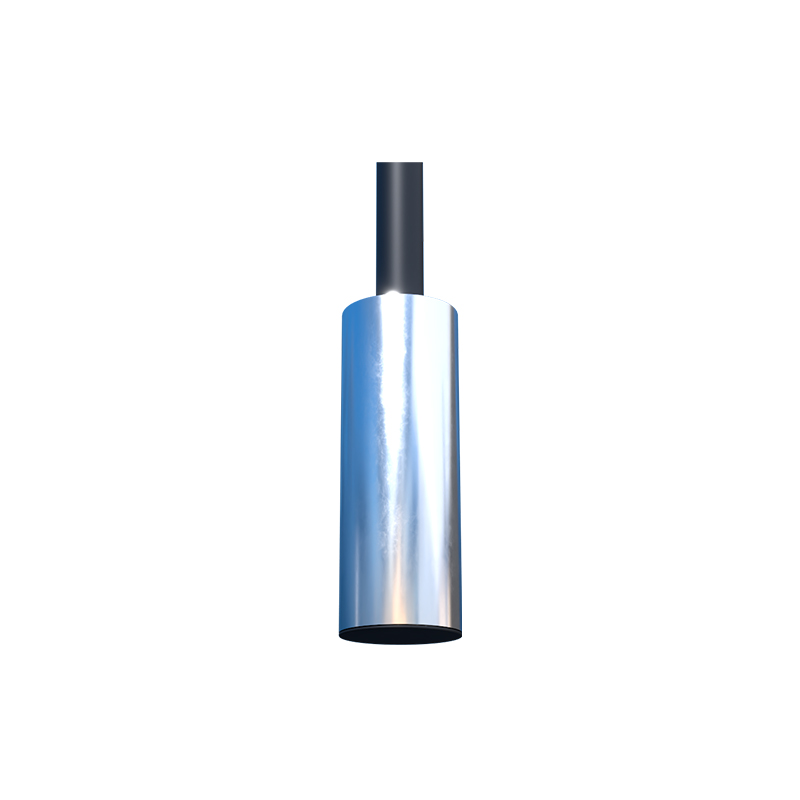
For applications requiring detection of any solid object regardless of material composition, the Ultrasonic Proximity Sensor is often the solution. It works on the principle of echolocation. The sensor emits high-frequency sound waves and measures the time taken for the echo to return after bouncing off a target. It can detect objects over longer distances compared to inductive or capacitive sensors and is effective even with transparent or sound-absorbing materials. Common uses include distance measurement, object profiling, and liquid level sensing in harsh environments where optical methods might fail.
Photoelectric Sensors, or Optical Proximity Sensors, form another major group. They use a light emitter (usually LED or laser) and a receiver. They are subdivided into three main configurations. Through-beam sensors have separate emitter and receiver units; an object is detected when it interrupts the light beam. Retro-reflective sensors use a reflector to bounce the light back to the receiver housed in the same unit. Diffuse reflective sensors detect objects when light reflected from the object itself reaches the receiver. They are excellent for long-range detection and can sense a vast array of materials, but their performance can be affected by environmental factors like ambient light, dust, or fog.
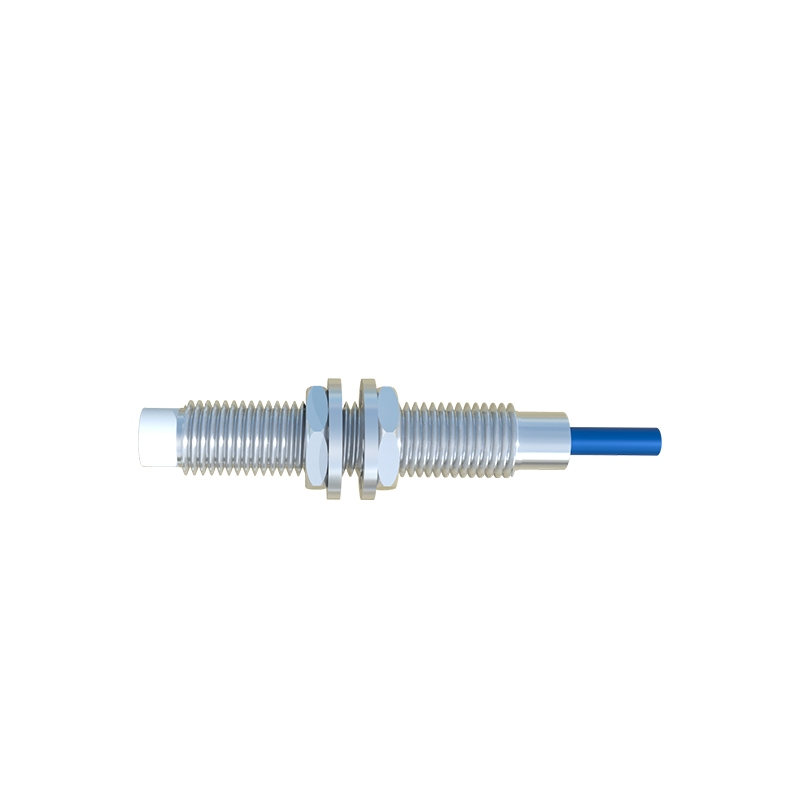
A specialized type is the Magnetic Proximity Sensor, often referred to as a reed switch or Hall-effect sensor. It detects the presence of a permanent magnet. Reed switches use ferromagnetic reeds that contact each other in the presence of a magnetic field. Hall-effect sensors produce a voltage change when exposed to a magnetic field. These sensors are fundamental in applications requiring detection of cylinder piston position in pneumatic or hydraulic systems, door/window position sensing, and in brushless DC motors for commutation.
Each sensor type presents a unique set of characteristics regarding sensing range, target material, environmental immunity, response speed, and cost. Inductive sensors are ideal for metals in industrial settings. Capacitive sensors handle diverse materials including powders. Ultrasonic sensors excel in challenging conditions and for distance control. Photoelectric sensors offer versatility and long range for clean environments. Magnetic sensors provide simple, reliable solutions for detecting magnetic fields.
The selection process must carefully balance technical specifications with the operational environment and economic constraints. Factors such as the required sensing distance, the nature of the target material, ambient conditions (temperature, contaminants), required output signal (digital or analog), and installation constraints are all critical. Proper integration ensures enhanced system reliability, efficiency, and safety, forming the backbone of intelligent automation in industries ranging from automotive manufacturing to food processing and beyond.