Introduction to Through-Beam Photoelectric Sensors in Area Detection
Through-beam photoelectric sensors are a cornerstone of industrial automation, offering unparalleled reliability for object detection in challenging environments. Unlike retro-reflective or diffuse sensors, through-beam designs consist of a separate transmitter and receiver, creating a clear, uninterrupted light path. When this beam is blocked, the sensor triggers a response, making it ideal for precise area monitoring. For electrical engineers, understanding the operational principles, installation nuances, and application-specific advantages is critical for optimizing system performance. This guide delves into the technical aspects, from beam alignment to environmental resilience, ensuring your area detection setup achieves maximum efficiency.
Core Components and Working Principle of Through-Beam Sensors
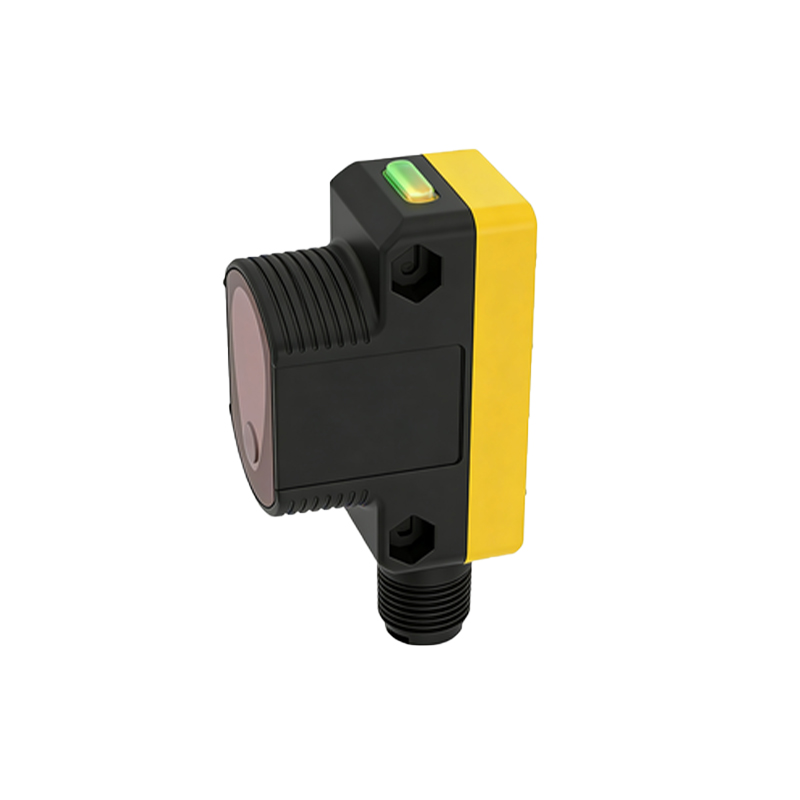
A through-beam sensor system comprises an emitter that projects a focused light beam—often infrared or visible red—directly onto a receiver. The receiver continuously monitors this signal. The absence of the beam indicates an obstacle, such as a part, pallet, or personnel, within the detection area. This binary logic ensures high immunity to ambient light, dust, and surface reflectivity variations, which can disrupt other sensor types. Key parameters include beam width (typically 10-50 mm), range (up to 100 meters for industrial units), and response time (microseconds to milliseconds). Engineers must select sensors based on the target size and speed, as well as the environmental conditions like vibration or temperature extremes.
Designing Effective Area Detection Systems
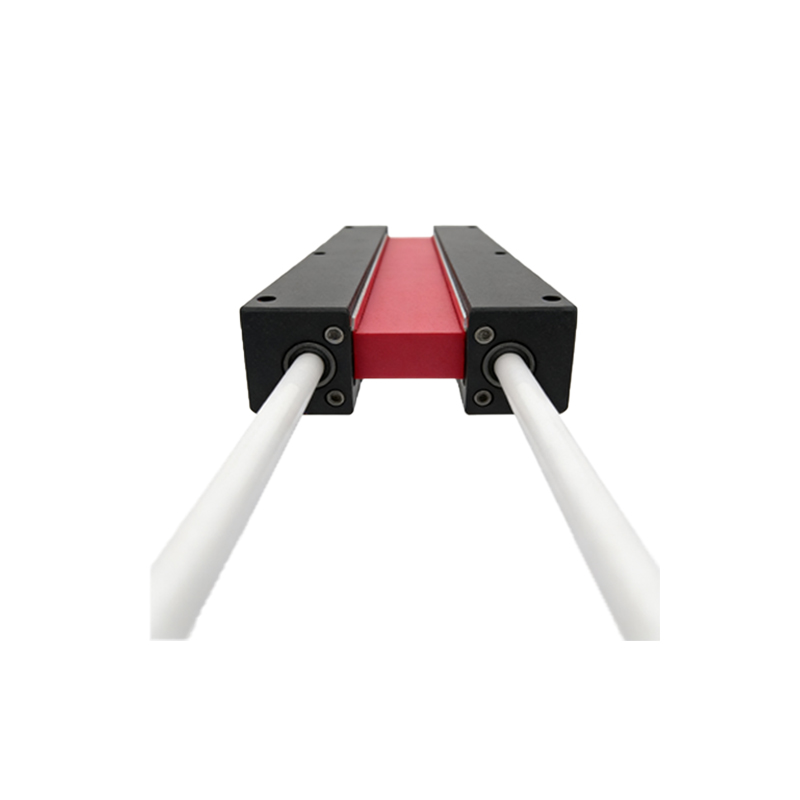
For area detection, multiple through-beam sensor pairs are often arrayed in a grid or perimeter configuration. For example, in conveyor belt systems, a row of sensors can monitor product flow, while in safety applications, a vertical column can detect human intrusion into hazardous zones. Key considerations include sensor spacing: the gap between beams should be smaller than the smallest object to be detected, typically 10-20 mm for high-resolution coverage. Additionally, synchronization circuits prevent cross-talk between adjacent beams, ensuring each pair operates independently. Power supply stability and cable shielding are vital to minimize electromagnetic interference (EMI), especially in factory settings with heavy machinery.
Installation Best Practices for Through-Beam Sensors
Proper alignment is paramount for through-beam sensors. Use laser alignment tools or built-in alignment indicators to ensure the transmitter and receiver are perfectly coaxial. Mounting brackets should be rigid to prevent misalignment from vibration. For outdoor or dusty environments, consider using sensors with heated optics or air purge systems to maintain beam clarity. Cable routing should avoid high-voltage lines to reduce noise. Testing the system with real-world objects, including transparent or glossy materials, is essential, as through-beam sensors can sometimes struggle with highly reflective surfaces that cause false readings (though less common than in other types).
Troubleshooting Common Issues in Through-Beam Area Detection
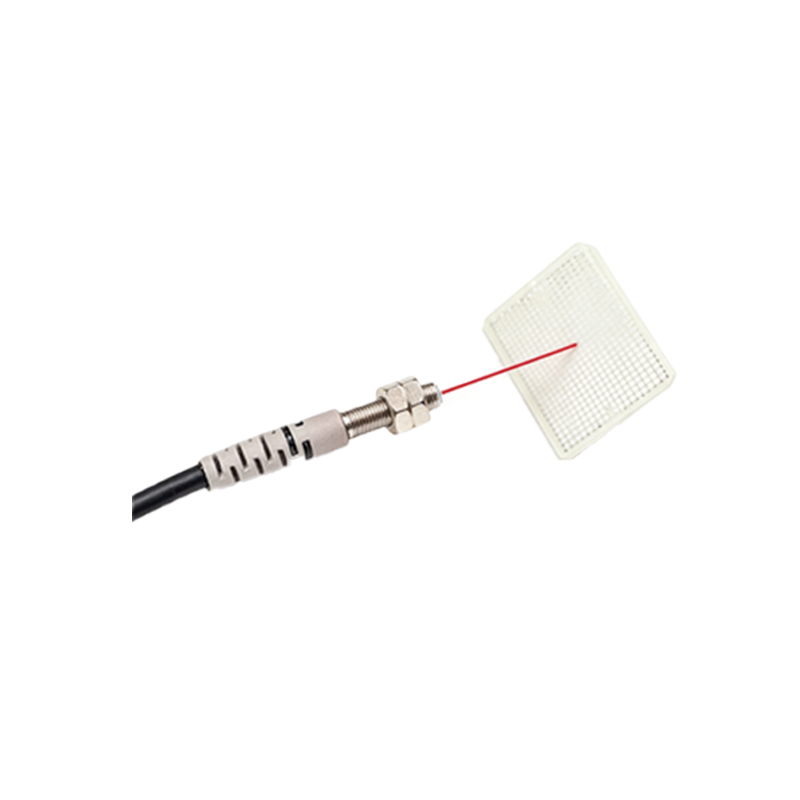
Common challenges include misalignment due to thermal expansion, beam obstruction by debris, and electronic drift over time. For misalignment, implement periodic recalibration schedules using reference targets. If the sensor triggers falsely, check for reflective surfaces like water puddles or polished metal that might scatter the beam. In high-ambient-light conditions, use modulated light sensors that filter out background illumination. Also, verify the receiver's sensitivity setting; adjusting it can differentiate between actual targets and dust particles. For maintenance, clean the lenses with a soft cloth and isopropyl alcohol, avoiding abrasive materials.
Applications and Future Trends in Through-Beam Sensor Technology
Through-beam sensors excel in logistics (pallet detection), automotive (part presence verification), and food processing (bottle counting). Emerging trends include IO-Link communication for real-time diagnostics, miniaturized sensors for tight spaces, and multi-beam arrays that reduce installation complexity. For engineers, integrating these sensors with PLCs or safety relays (e.g., for light curtains) enhances system intelligence. The shift toward Industry 4.0 means sensors now provide data on beam attenuation, alerting operators to potential failures before they occur. This proactive maintenance reduces downtime and improves overall equipment effectiveness (OEE).