Introduction to Photoelectric Sensors with Light Sources
In industrial automation, photoelectric sensors with built-in light sources are critical components for non-contact detection of objects, materials, or distances. Unlike traditional sensors that rely on ambient light or external emitters, these integrated devices incorporate their own light source (usually LED or laser) and a receiver within a single housing. This design ensures consistent performance regardless of environmental lighting conditions, making them ideal for manufacturing, packaging, and logistics systems. The built-in light source simplifies installation and reduces maintenance, as no external alignment or separate emitter unit is required. Common types include through-beam, retro-reflective, and diffused sensors, each tailored for specific operational ranges and target characteristics.
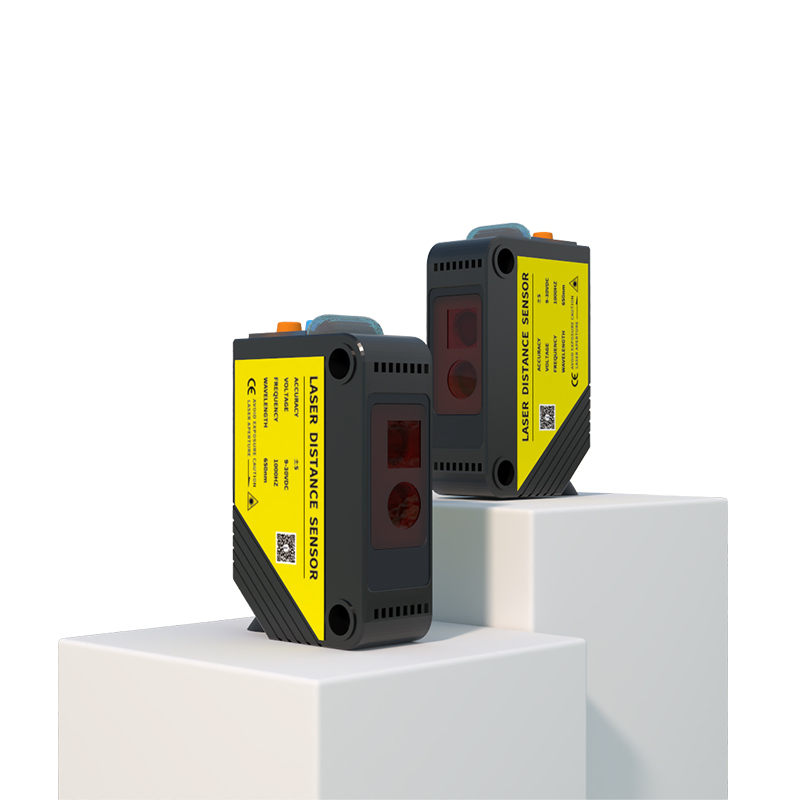
How a Built-in Light Source Enhances Detection Reliability
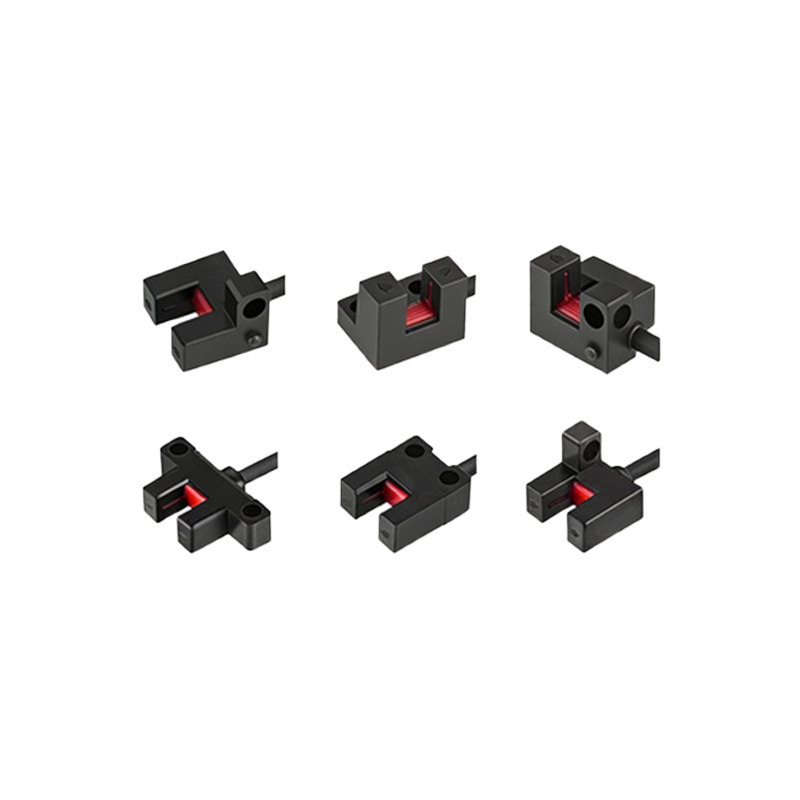
The core advantage of a self-contained light source is the elimination of dependency on external lighting. In dark or variable ambient conditions, such as inside a conveyor tunnel or in outdoor installations, these sensors maintain stable detection thresholds. The light source is typically modulated (pulsed at a specific frequency) to filter out interference from other light sources like sunlight or artificial lighting. This modulation also allows the sensor to distinguish between the emitted beam and background reflections. For example, in a retro-reflective setup, the sensor emits a focused beam that bounces off a reflector and returns to the receiver; if an object interrupts this path, the receiver detects the change and triggers a signal. This closed-loop design ensures high accuracy, even with transparent or shiny materials.
Key Types and Their Operational Principles
There are three primary configurations: through-beam sensors, where the emitter and receiver are separate but the light source is built into the emitter unit; retro-reflective sensors, which combine emitter and receiver in one housing and rely on a separate reflector; and diffuse sensors, where the light source and receiver are together and detect reflections directly from the target object. Through-beam offers the longest range (up to 30 meters) and highest immunity to contamination, as the beam travels directly. Retro-reflective sensors are simpler to install, with ranges up to 10 meters, and are ideal for detecting opaque objects. Diffuse sensors are compact but have shorter ranges (usually under 2 meters) and are sensitive to target color and surface texture. Each type uses the built-in light source to emit a consistent, narrow beam, minimizing false triggers.
Applications in Modern Manufacturing and Logistics
In assembly lines, these sensors accurately detect the presence of parts on conveyor belts, even when moving at high speeds. In packaging, they verify that boxes are sealed correctly or that labels are attached. In automated warehousing, retro-reflective sensors guide robotic arms to pick items from shelves. The built-in light source is particularly valuable in cleanroom environments, where external light sources might cause contamination or interference. For instance, in semiconductor fabrication, diffuse sensors with red LED light sources detect silicon wafers without physical contact, ensuring zero particle generation. Additionally, laser-based sensors with built-in emitters are used for precise distance measurement in bin-picking applications, offering resolution down to millimeters.
Installation and Calibration Best Practices
Proper installation begins with selecting the correct sensor type based on target material, distance, and ambient conditions. For through-beam sensors, ensure the emitter and receiver are aligned within the beam's angular tolerance. Retro-reflective sensors require a clean, perpendicular reflector placed within the specified range. Diffuse sensors need clear line-of-sight to the target, avoiding reflections from nearby shiny surfaces. Calibration involves setting the sensitivity threshold via a potentiometer or digital interface; this adjusts the receiver's gain to filter out background noise. Always test with the actual target material and under worst-case lighting scenarios. For harsh environments, use sensors with IP67 or higher ratings to protect the built-in light source from dust and moisture.
Advantages Over Traditional Photoelectric Sensors
Traditional sensors without a built-in light source often require separate emitters, leading to more wiring points and potential misalignment. The integrated design reduces installation time by 30-50% and lowers maintenance costs because there is no separate component to fail. Additionally, modern sensors with LED or laser sources have longer lifespans (over 50,000 hours) compared to incandescent bulbs used in older designs. They also offer faster response times (as low as 100 microseconds), enabling detection of fast-moving objects in high-speed production lines. Furthermore, the built-in modulation eliminates the need for external synchronization, simplifying integration into existing PLC or industrial networks.
Future Trends and Technological Developments
Emerging trends include the integration of IO-Link communication, allowing real-time diagnostics and parameter adjustment from a central control system. Sensors with multi-beam arrays are being developed to detect object shape or orientation, not just presence. Advances in miniaturization are enabling built-in light sources in sensors small enough for robotic end-effectors. Additionally, infrared and blue LED sources are being explored for specialized applications, such as detecting transparent PET bottles or high-temperature materials. As Industry 4.0 expands, these sensors will become smarter, with built-in processing for edge computing, directly outputting data on object size or position without external controllers.