Photoelectric sensors are critical components in industrial automation, relying on light intensity to detect objects, measure distances, or verify presence. The light intensity value, typically measured in lux (lx) or milliwatts per square centimeter (mW/cm²), varies based on sensor type, emitter, and environmental conditions. Understanding these values is essential for optimizing performance in diverse applications, from conveyor belts to packaging lines.
Typical Light Intensity Ranges for Common Sensor Types
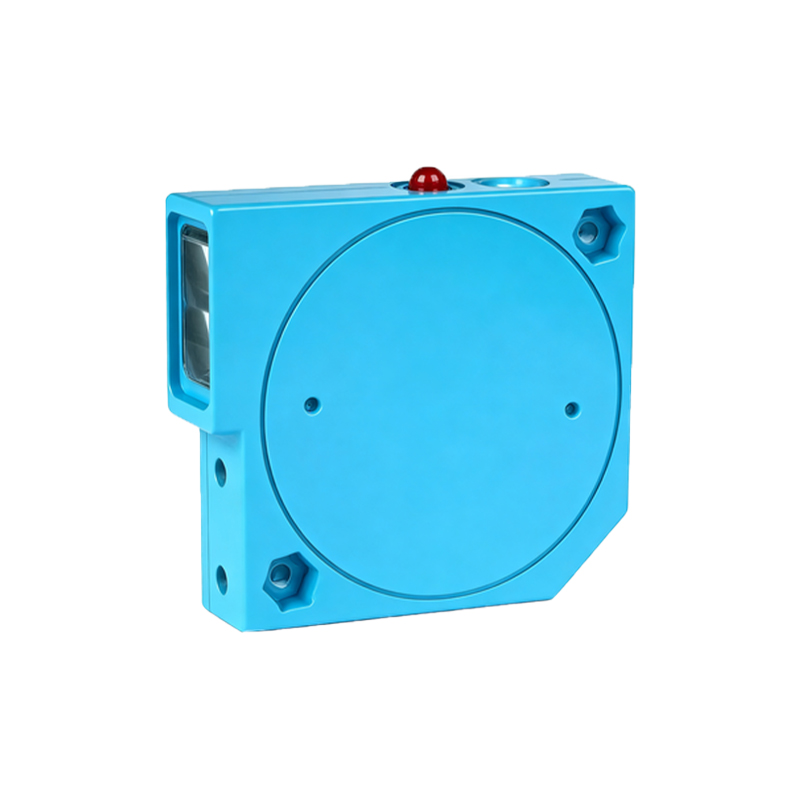
Different photoelectric sensor configurations produce distinct light intensity outputs. For through-beam sensors, the emitter typically generates a light intensity between 1,000 and 10,000 lux at a distance of 1 meter, depending on the LED or laser source. Retro-reflective sensors often operate with intensities from 500 to 5,000 lux, as the reflector reduces effective output. Diffuse sensors, which rely on reflected light, have lower intensities, usually ranging from 100 to 2,000 lux, due to surface scattering and distance attenuation. Laser-based sensors can achieve higher intensities, up to 50,000 lux or more, for precision applications.
Factors Affecting Light Intensity in Industrial Settings
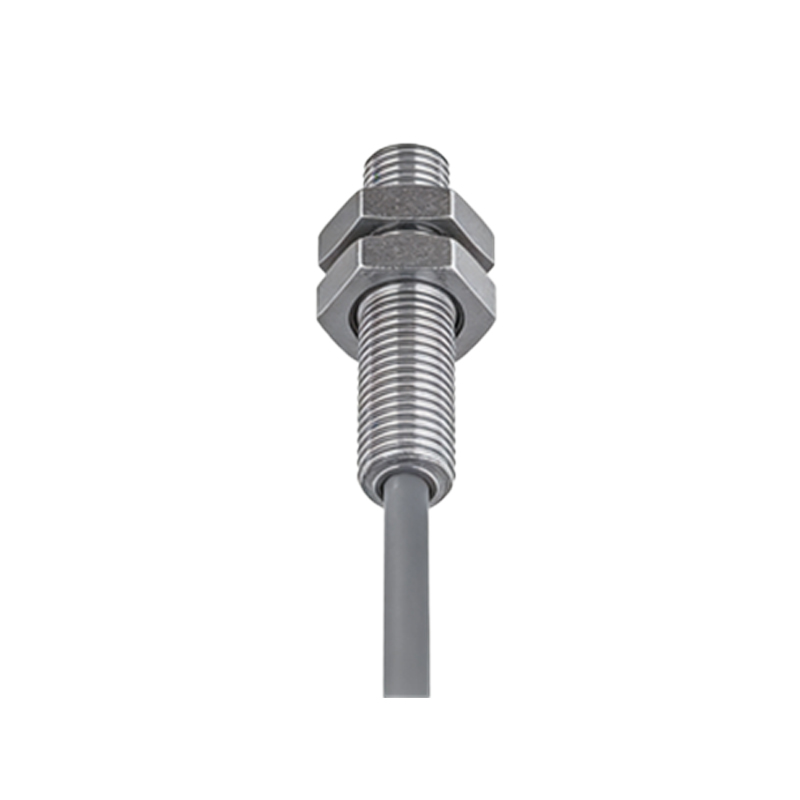
Light intensity values are not static; they fluctuate due to several factors. Ambient light, such as sunlight or factory lighting, can interfere, especially in diffuse sensors, reducing effective intensity by 10-30%. Contamination on the lens or reflector—dust, oil, or moisture—can decrease output by 20-50%, necessitating regular cleaning. Distance plays a key role: intensity follows an inverse square law, doubling the distance reduces intensity to one-quarter. Operating temperature also impacts LED output, with high temperatures (above 50°C) causing a 5-15% drop in intensity.
Recommended Light Intensity Values for Reliable Detection
For robust sensor performance, the receiver must receive adequate light intensity above the threshold. In through-beam sensors, a minimum of 500 lux is recommended for reliable detection over 10 meters. For retro-reflective sensors, ensure at least 200 lux at the receiver after reflection. Diffuse sensors require a reflected intensity of at least 50 lux for dark objects (e.g., black rubber) and 200 lux for bright objects (e.g., white paper). These values ensure a safety margin against interference and degradation.
Practical Measurement and Adjustment Techniques
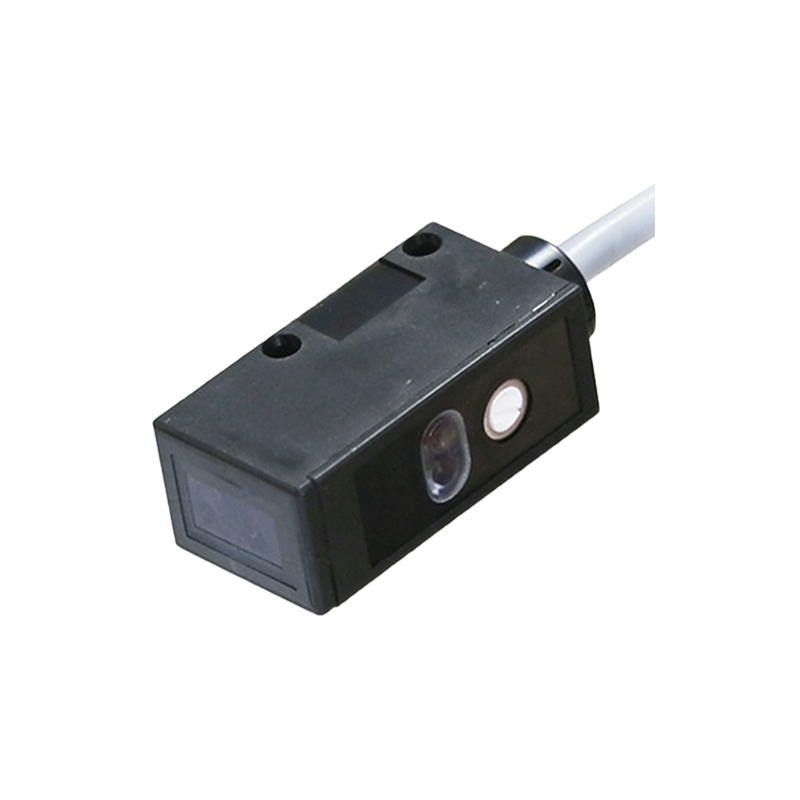
To verify light intensity, use a calibrated lux meter or the sensor’s built-in diagnostic features. Many modern sensors provide analog output proportional to light intensity, allowing real-time monitoring. Adjust the emitter’s current or lens focus to fine-tune intensity, especially in dusty environments. For challenging conditions, consider using sensors with automatic gain control to maintain stable detection despite intensity fluctuations. Always test at the worst-case scenario—lowest ambient light and maximum distance—to ensure reliability.
Introduction to Photoelectric Sensor Light Intensity
Photoelectric sensors are critical components in industrial automation, relying on light intensity to detect objects, measure distances, or verify presence. The light intensity value, typically measured in lux (lx) or milliwatts per square centimeter (mW/cm²), varies based on sensor type, emitter, and environmental conditions. Understanding these values is essential for optimizing performance in diverse applications, from conveyor belts to packaging lines.
Typical Light Intensity Ranges for Common Sensor Types
Different photoelectric sensor configurations produce distinct light intensity outputs. For through-beam sensors, the emitter typically generates a light intensity between 1,000 and 10,000 lux at a distance of 1 meter, depending on the LED or laser source. Retro-reflective sensors often operate with intensities from 500 to 5,000 lux, as the reflector reduces effective output. Diffuse sensors, which rely on reflected light, have lower intensities, usually ranging from 100 to 2,000 lux, due to surface scattering and distance attenuation. Laser-based sensors can achieve higher intensities, up to 50,000 lux or more, for precision applications.
Factors Affecting Light Intensity in Industrial Settings
Light intensity values are not static; they fluctuate due to several factors. Ambient light, such as sunlight or factory lighting, can interfere, especially in diffuse sensors, reducing effective intensity by 10-30%. Contamination on the lens or reflector—dust, oil, or moisture—can decrease output by 20-50%, necessitating regular cleaning. Distance plays a key role: intensity follows an inverse square law, doubling the distance reduces intensity to one-quarter. Operating temperature also impacts LED output, with high temperatures (above 50°C) causing a 5-15% drop in intensity.
Recommended Light Intensity Values for Reliable Detection
For robust sensor performance, the receiver must receive adequate light intensity above the threshold. In through-beam sensors, a minimum of 500 lux is recommended for reliable detection over 10 meters. For retro-reflective sensors, ensure at least 200 lux at the receiver after reflection. Diffuse sensors require a reflected intensity of at least 50 lux for dark objects (e.g., black rubber) and 200 lux for bright objects (e.g., white paper). These values ensure a safety margin against interference and degradation.
Practical Measurement and Adjustment Techniques
To verify light intensity, use a calibrated lux meter or the sensor’s built-in diagnostic features. Many modern sensors provide analog output proportional to light intensity, allowing real-time monitoring. Adjust the emitter’s current or lens focus to fine-tune intensity, especially in dusty environments. For challenging conditions, consider using sensors with automatic gain control to maintain stable detection despite intensity fluctuations. Always test at the worst-case scenario—lowest ambient light and maximum distance—to ensure reliability.